Indigenous data sovereignty and conservation in British Columbia
Indigenous Peoples and communities have been stewards of their lands and waters for millennia, and as a result, have developed deep place-based knowledge systems. It is only recently, however, that Western scientists are beginning to recognize that the knowledge and wisdom held by Indigenous Peoples is at once scientific, spiritual, holistic, and action-oriented. While this recognition is long overdue, it is also pressuring Indigenous Peoples to use their lands and knowledge systems to solve environmental crises that are not of their making. The open data movement is one such pressure.

©Andrea Reid
We sat down with two members of the Centre for Indigenous Fisheries – Dr. Sara Cannon (settler), postdoctoral research fellow at the IOF and lead author of the study, and Dr. Andrea Reid (Nisga’a Nation), assistant professor at UBC’s Institute for the Oceans and Fisheries and co-author of the study, to discuss Indigenous data sovereignty.
Sara Cannon
How have non-Indigenous scientists/researchers historically treated Indigenous data?
In North America, non-Indigenous scientists/researchers have a history of treating Indigenous knowledge holders as research subjects, driving exploitation, mistrust, power imbalances, and inequality that persist today. For example, non-Indigenous researchers have used Indigenous data without properly attributing or acknowledging it as coming from Indigenous Peoples, lands, and waters; Indigenous data have been stolen and used to enrich non-Indigenous peoples and Nations through bioprospecting and biopiracy; non-Indigenous people have interpreted Indigenous data without cultural or contextual knowledge; and non-Indigenous researchers have claimed authority over Indigenous Peoples through their interpretations of Indigenous data.
 Today, there is a deep need to safeguard Indigenous data from misuse. While non-Indigenous scientists and Crown agencies are increasingly appreciating the inherent value of Indigenous knowledge systems, there is still a tendency to view Indigenous data (including Indigenous knowledge) through the lens of Western science, for example as extractable, reducible, and “usable” in quantitative formats, leading to the exclusion of knowledge holders. Western-trained scientists may not recognize the holistic nature of Indigenous knowledge systems and may attempt to extract pieces of the whole to make convenient scientific arguments.
As a result, Indigenous data may be misinterpreted, utilized against Indigenous Peoples, or disregarded when it does not serve the private interests of the Canadian government. Indigenous data may also be used in ways that violate cultural protocols; for example, some forms of Indigenous data cannot be shared with all people and all contexts, and many come with specific responsibilities. In addition, Indigenous knowledge systems and worldviews are encoded, practiced, and passed on through Indigenous languages, but research projects designed, conducted, and governed through Indigenous languages are vastly eclipsed and outnumbered by those carried out in English, reflecting the far reach and deep impacts of linguistic imperialism and colonialism. Indigenous knowledge systems are almost certainly oversimplified when incorporated into Western scientific research and translated into English, further undermining the acquisition of accurate Indigenous data.
As a non-Indigenous scientist, how did you situate yourself within this discourse?
I had a very specific role in this paper. I was hired by the Watershed Futures Initiative at Simon Fraser University to draft the workshop materials alongside the webinar contributors, all of whom were First Nations knowledge holders or technical staff working for First Nations. My job was to take on as much of the labour as I could to create resources from all that was shared during the workshop. I worked closely with the contributors to ensure that the outputs accurately represented all that they shared and would be useful to them.
I reflected critically on my positionality during the drafting of this manuscript to make sure that my experiences as a non-Indigenous researcher, and the biases that attest to the privileges I have been afforded as a white settler, did not have a large influence on the descriptions of outputs from the webinar. I was, and still am, accountable to the contributors, who remain the owners of all the knowledge shared during the workshop and presented in the paper and reports. I’m incredibly grateful for the opportunity to collaborate with and learn from all of the contributors.
What were the results?
We used wild Pacific salmon in British Columbia to demonstrate how effective conservation requires that practitioners explicitly incorporate Indigenous data sovereignty. Indigenous knowledge systems are incredibly powerful and could help shape approaches to address the impacts of cumulative effects and climate change on salmon-bearing ecosystems in BC, but Indigenous knowledge cannot be separated from the people who steward that knowledge. To help facilitate a shift towards incorporating Indigenous data sovereignty into research practices, the contributors produced a list of ideas and resources for First Nations to consider as they assert sovereignty over their data, as well as clear, related recommendations for non-Indigenous researchers working on Indigenous territories. We hope that this manuscript will facilitate much-needed consideration of Indigenous data sovereignty in fisheries science and conservation within Canada and beyond.
Andrea Reid

As an Indigenous scientist, how do you view Indigenous data sovereignty?
Indigenous data sovereignty is our right to govern our own data, on our own terms.
Why is Indigenous data sovereignty so important?
It is critical for many reasons – one major one being that this movement helps shift the narrative around Indigenous Peoples being passive participants in or subjects of research, which has a track record of causing serious harms, to an approach to research where we are engaged as true partners and co-investigators.
Can you explain what the salmon case study was?
It’s critical to recognize how much Indigenous knowledge and data were relied upon by colonizers and early settlers learning where, when, and how to fish on this coast. There’s a very real history of data theft and misuse when it comes to salmon fisheries here. We have to explicitly acknowledge both this past and the need for Indigenous data sovereignty in our salmon policy objectives and governance systems moving forward. My talk on this webinar can be found online.

©Andrea Reid
How was the webinar; what were some of the discussions like?
The webinar was powerful. It made clear how pervasive these concerns are, and showed how we can work together across divides – be they geographic, cultural, or disciplinary – to share tools, solutions, and ideas for uplifting Indigenous data sovereignty across contexts.
Taking care of knowledge, taking care of salmon: towards Indigenous data sovereignty in an era of climate change and cumulative effects was published in the journal FACETS.
Tags: Aboriginal fisheries, Andrea Reid, British Columbia, Centre for Indigenous Fisheries, CIF, Indigenous conservation, Indigenous fisheries, Indigenous history, Indigenous Knowledge, IOF postdoctoral fellows, Sara Cannon
What could be impacting the food source of Southern Resident killer whales?
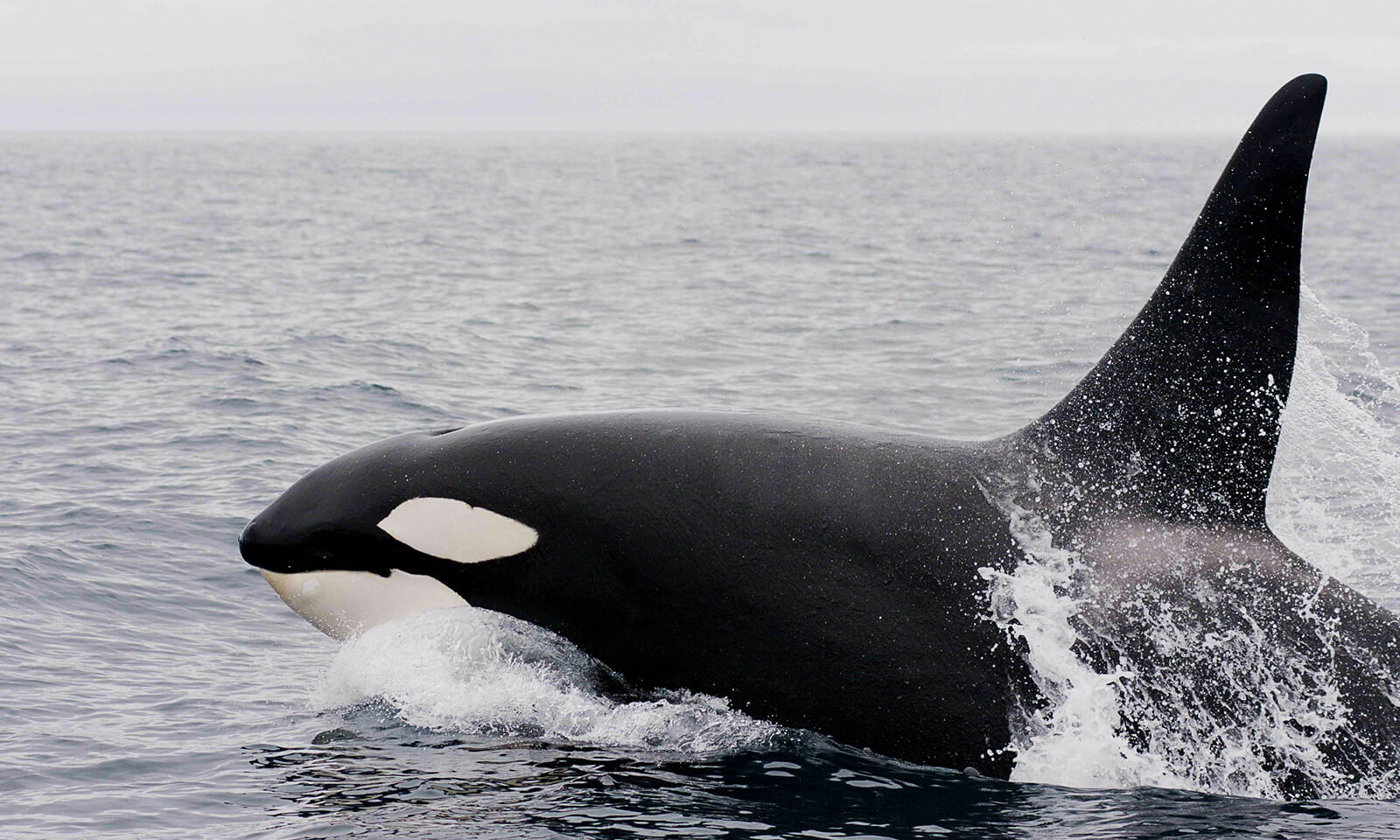
Southern Resident Killer Whales.
©Holly Fearnbach, NOAA
Factors impacting the Southern resident killer whale population along the Pacific
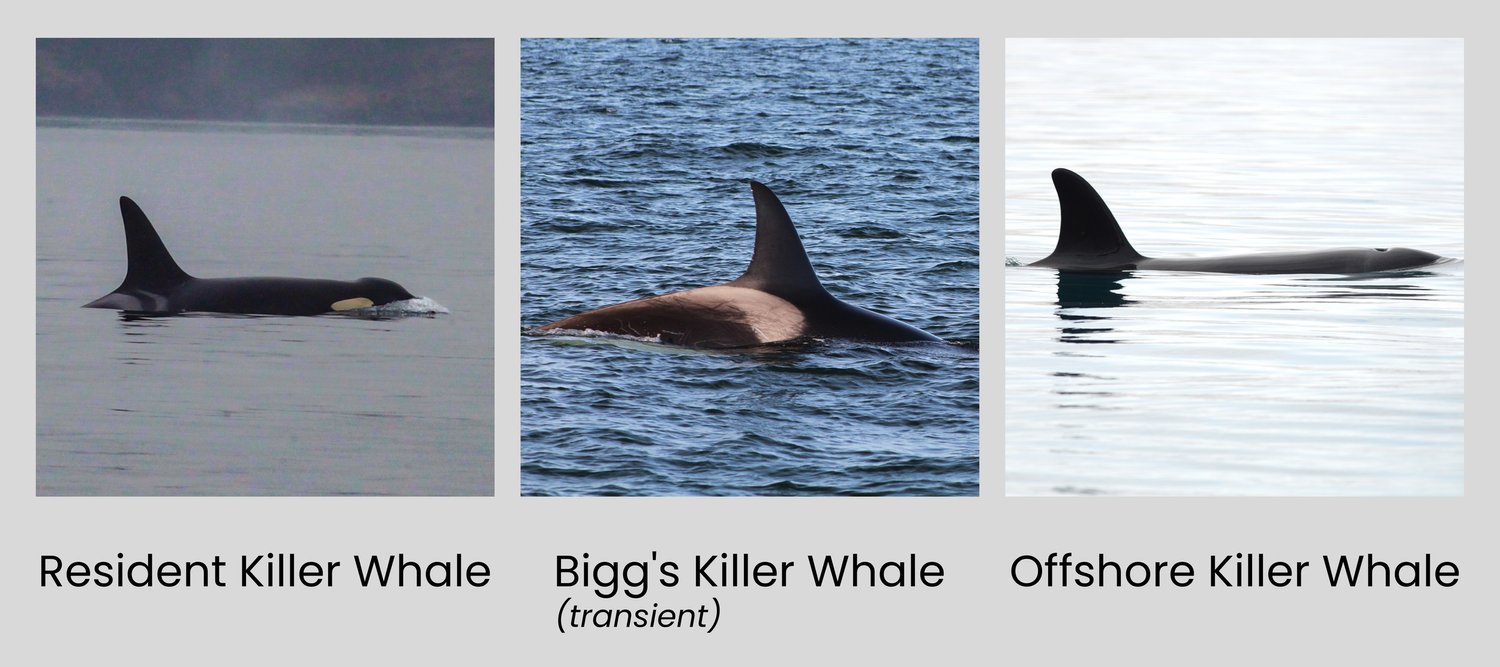
While all killer whales — or orcas — may look very similar, there are different types of orcas. In the North Pacific, three different species can be found: resident killer whales, transient or Bigg’s killer whales, and offshore killer whales. One of the most important distinctions is what they eat.
Even within the resident orcas, there are different populations. Northern, Southern, and Alaskan killer whales communities make up the North Pacific resident orcas and there are also Russian and Japanese resident killer whale populations. Northern and Southern resident orcas almost exclusively eat salmon, while Alaskan resident orcas eat different kinds of fish, including salmon, mackerel, halibut, and cod.
There are currently 74 Southern Resident killer whales, and this population is listed as endangered in both Canada and the U.S. This species relies on Pacific salmon (Chinook and coho) for food, however, these salmon populations have been decreasing along the northeast Pacific coast for decades. Previous research studies show that those declines could be attributed to several factors, including predation by growing pinniped populations, fishing, climate patterns, and the deterioration of freshwater habitats.
Following those population declines, there has been a reduction of the fishing activity of Pacific salmon since the mid-1990s along the coast. Most hatcheries have also increased the number of salmon they release.
A recent UBC study published in PLOS ONE used ecosystem modeling to explore if the decline of Chinook and coho salmon could be due to more than one factor. It found that between 1979 and 2020, predation by marine mammals — mostly pinnipeds — could be a strong driver of the decline of Chinook salmon.
“Pinniped populations have been increasing for years, and there has most likely been substantial impacts of pinniped predation on Chinook salmon marine survival rates and numbers,” said Carl Walters, senior author and professor Emeritus at the Institute for the Oceans and Fisheries and Department of Zoology. “This, in turn, has affected food availability to Southern Resident Killer whales.”
The pinniped population along the Pacific coast has greatly expanded
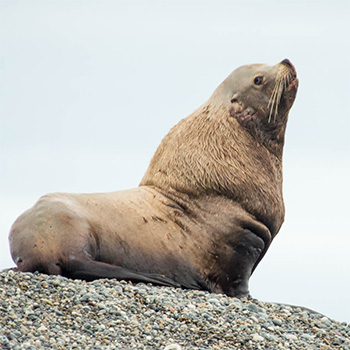
Steller sea lion
© Andrew Trites
For years, there were few regulations on hunting pinnipeds, and mass hunting by commercial sealing caused pinniped populations to decrease drastically in the 20th century. This prompted commercial sealing bans in all of North America — all of which remain to this day.
Following their protection, pinniped populations along the coast of British Columbia, Washington State, Oregon, and California have increased dramatically since the early 1970s. Three mammal species’ numbers specifically skyrocketed: harbor seals, California sea lions, and Steller sea lions.
The competition for food for pinnipeds and Southern Resident killer whales
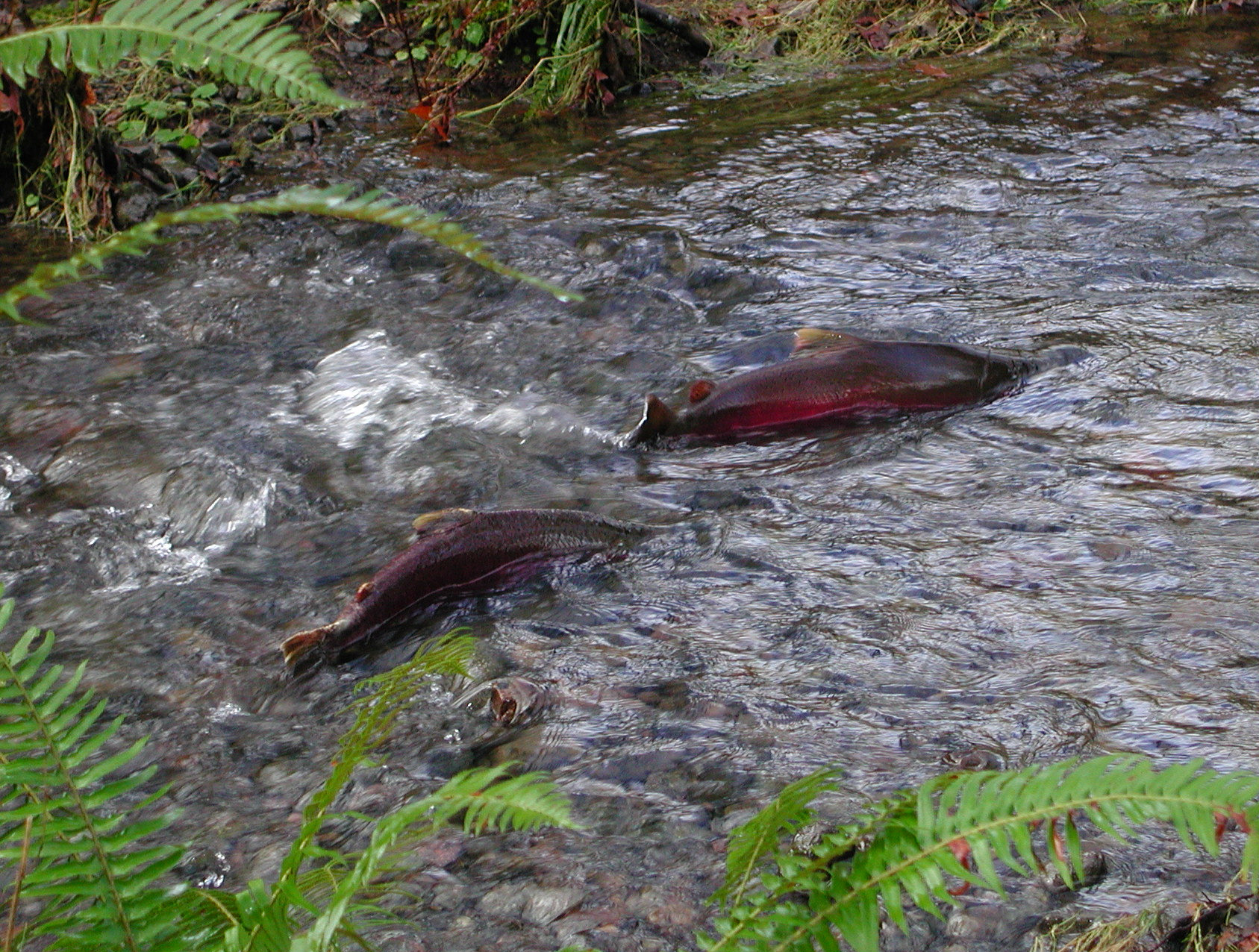
Coho salmon, Tillamook State Forest, Oregon.
© Oregon Department of Forestry
One of the goals of the study was to examine whether competition for food between marine mammals was impacting the Southern resident killer whale population. Because these killer whales are considered highly specialized predators, they are heavily impacted by any changes to the salmon population. Resident killer whales primarily feed on mature fish who are on their way to their spawning grounds, while harbor seals primarily target young salmon (smolts) entering the ocean for the first time. Steller and California sea lions target Pacific salmon through different life stages.
“It’s really interesting to look at the ecosystem as a whole and try to get a more holistic view of how the system works rather than focusing on individual factors,” said Fanny Couture, lead author and a recent PhD graduate at the Institute for the Oceans and Fisheries. “There’s just so many different interactions going on within this ecosystem that you need knowledge on more than just the species that you’re focusing on.”
The model predicted that in 2020, harbor seals may have consumed between 27 million Chinook salmon smolts in the Salish Sea alone, and up to 47 million coho smolts in one month. Even with hatcheries focusing on rearing salmon species for increased numbers in the wild, the hatchery environment cannot teach young salmon to avoid predators. This increases their chances of being eaten by pinnipeds and other marine mammals when they are released.
“While harbor seals and these killer whales don’t necessarily target Chinook salmon of similar ages, a dramatic reduction of survival in the early life could directly result in a lower number of adult individuals available to larger predators,” said Villy Christensen, co-author and professor at the Institute for the Oceans and Fisheries. “In this context, harbor seals could indirectly compete with killer whales by lowering the salmon available to the whales at a later stage.”
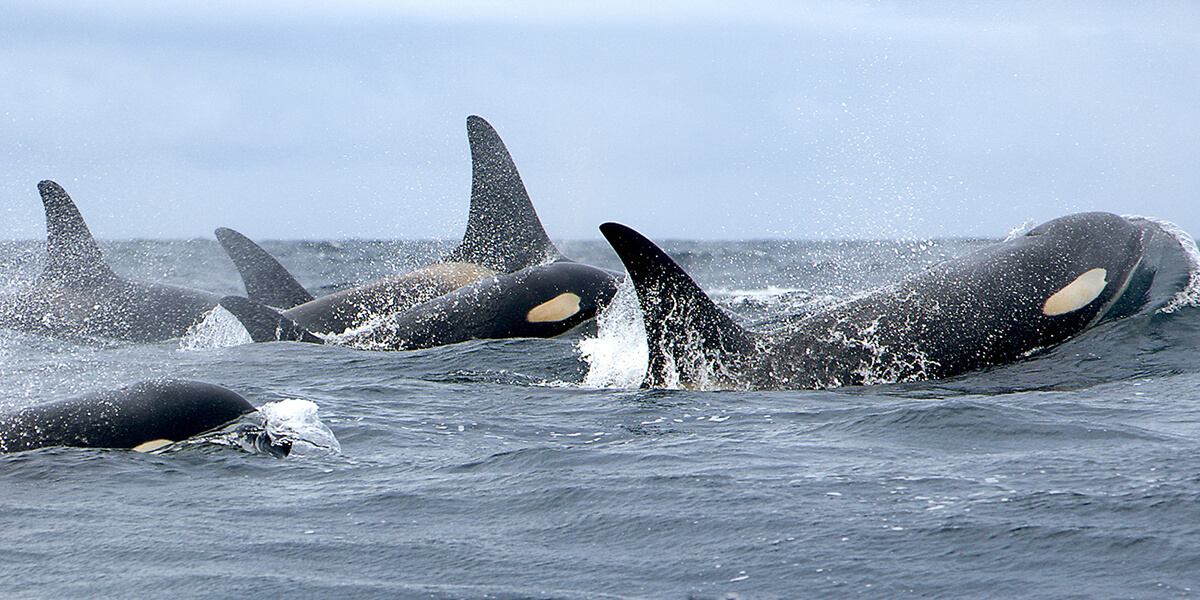
Southern Resident killer whales.
© Holly Fearnbach, NOAA.
Better conservation practices
There are many different factors that influence an ecosystem. The study identifies pinnipeds as one of the potential reasons for a continued decline in Chinook salmon populations, but everything needs to be considered for better conservation practices.
“I think that the ecosystem-based approach should be used more extensively in future research because an ecosystem is not only one species — it’s the sum of interactions,” said Couture. “When developing new conservation measures, it’s important to try and understand those different linkages between components of the ecosystem.”
“Any policy decision to manage pinniped populations so as to enhance salmon for both fisheries and support of whales must be treated as a management experiment with uncertain outcome,” said Walters. “What is clear from the models is that simply reducing fisheries will not substantially improve food resources available to the whales.”
The combined effects of predation, fishing, and ocean productivity on salmon species targeted by marine mammals in the northeast Pacific“, was published in PLOS ONE.
Tags: Carl Walters, IOF alumni, IOF students, killer whales, marine mammals, orca, Pacific, Pacific Ocean, pinnipeds, Research, salmon, sea lions, seals, walrus, whales
Exploring hypothetical transfer of harmful fisheries subsidies to support low-income fishers
Decreasing fish stocks are impacting low-income fishers in many coastal countries around the world.
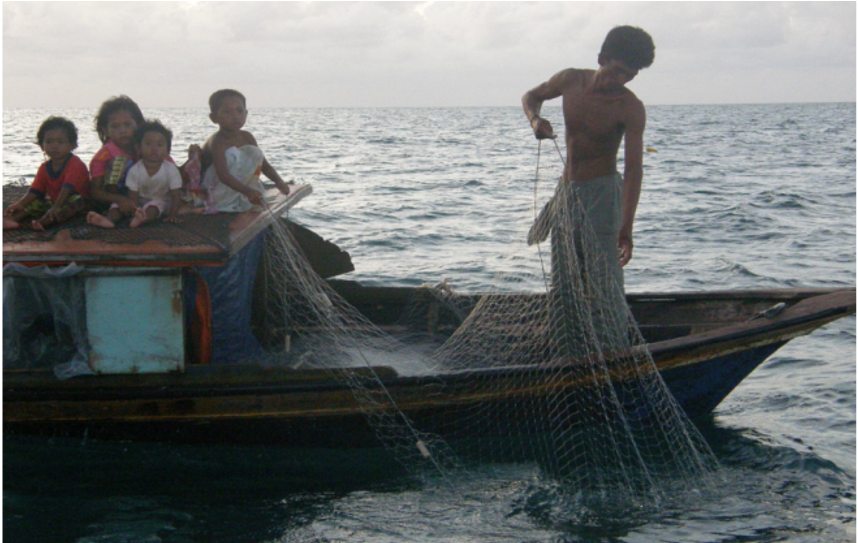
A fisher and their family in a least developed country. Credits: Louise Teh
Over 3 billion people around the world rely on fish for their daily nutrition. Not only a cheap and accessible food source, fish is also a source of income for low-income fishers working in fisheries. However, relying on fish is becoming a risky gamble.
Global fish stocks are depleting at an alarming rate as a result of climate change, overfishing and pollution. For low-income fishers depending on fish for both their employment and food source, this is a precarious position and leaves them with a very difficult decision to make. Do they increase fishing efforts to sustain their families and further deplete fish stocks or do they stop fishing and risk their livelihoods and food security?
There may be another option.
A recent UBC study published in npj Ocean Sustainability investigated whether the funds going to harmful fisheries subsidies could be diverted to lift fishers out of poverty. Focusing on 30 least developed countries (LDCs) in coastal areas, the study showed that redirecting harmful subsidies could cover the poverty income gap in many of these countries.

45 economies designated by the United Nations as the least developed countries (LDCs). Credits: UNCTAD
The poverty gap represents the gap between poverty line income and average fishing incomes, which is a harsh reality for billions of people worldwide. The study covers 30 coastal countries categorized as “least developed” by the United Nations. The average fisher in these countries do not even earn USD 1.90 per person per day, which is the World Bank’s benchmark for extreme poverty. The average income of fishers in 90 per cent of these countries also fell below their national minimum living wage.
Some of the reasons for this is the combination of ocean unsustainability and resource overexploitation combined with the COVID-19 pandemic. Overfishing by large commercial fishing fleets often occurs in the waters of developing countries while the profits of the catch goes to the developed nation funding the commercial fleet. Even within developing countries, governments focus on financing huge fishing operations that may bring more harm than good.
Much of this harm is created through harmful fisheries subsidies — direct or indirect governmental financial contributions to the private sector that increases the revenue (or lowers the cost) of fishing. These subsidies are harmful because they can lead to excess fishing capacity, and also encourage the inequitable distribution of resources, especially since large-scale sectors receive about 80 per cent of the current global fisheries subsidies, the bulk of them being harmful subsidies.
So, what would happen if the funds for these harmful subsidies were diverted to close the poverty income gap?
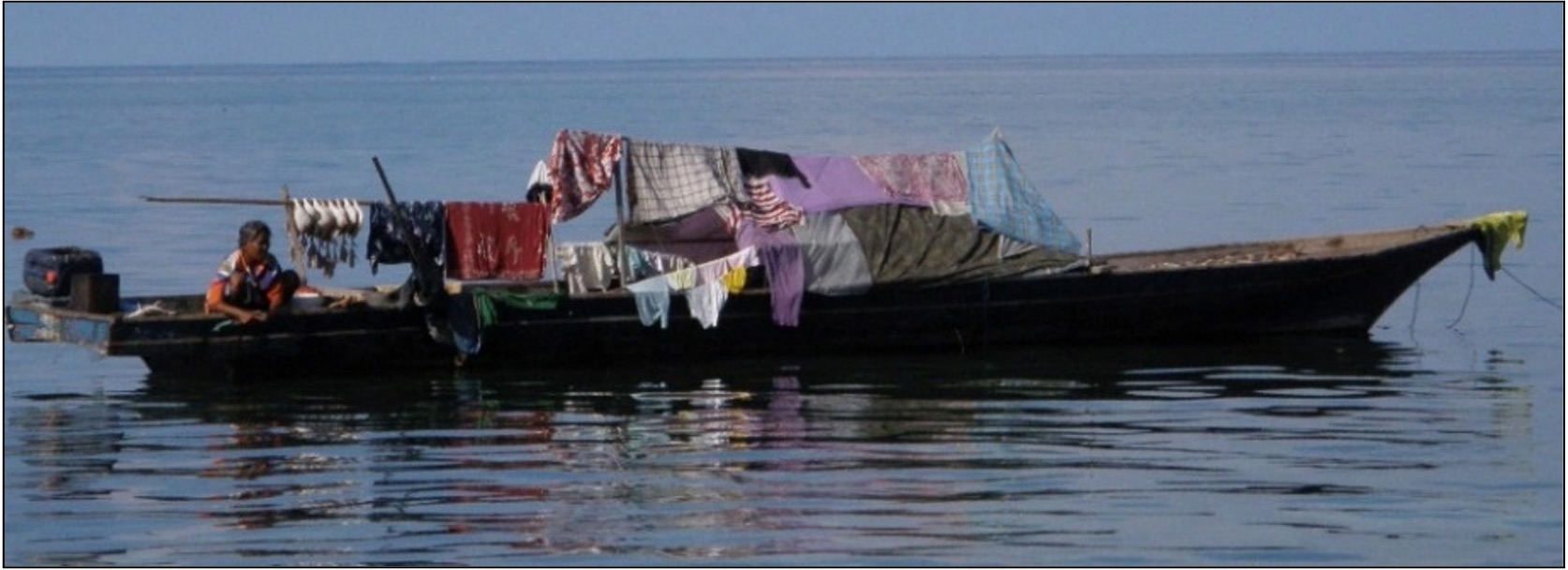
A fisher in a least developed country. Credits: Louise Teh
“For the first time, a paper actually computed how much harmful fisheries subsidies, if repurposed, can help reduce poverty levels in 30 less developed coastal countries,” said Rashid Sumaila, study author, professor and Canada Research Chair (Tier 1) at the Institute for the Oceans and Fisheries, and the School of Public Policy and Global Affairs.
“Before this people just talked about this possibility but now, we have some numbers.”
In total, global fisheries subsidies amounted to USD 35.4 billion in 2018, of which USD 22.2 billion were spent on harmful subsidies. For low-income people living in the 30 coastal countries, diverting the USD 850 million going towards harmful subsidies can make all the difference. Closing the poverty gap has the potential to benefit 7 million fishers, and up to 33 million people globally.
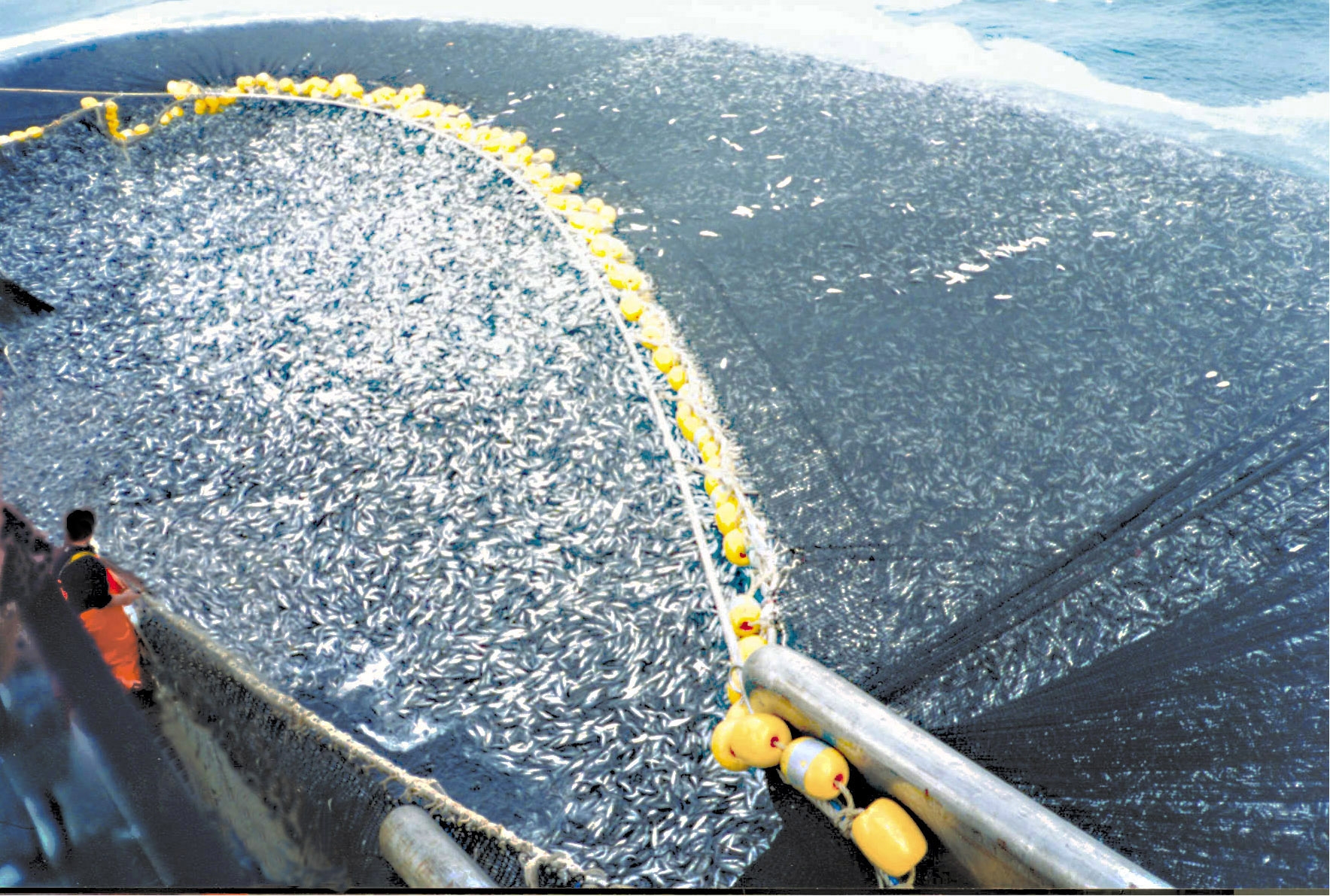
Jack mackerel caught by a Chilean purse seiner. Credits: C. Ortiz Rojas
“We need to start identifying appropriate mechanisms for getting the harmful fisheries subsidy funds to these fishing communities,” said Teh. “It is also crucial that strategies for alleviating poverty are aligned with efforts to improve fishers’ capacities to adapt to climate change, which affects vulnerable coastal communities the most.”
Least developed countries can benefit greatly from getting rid of fisheries subsidies because subsidized fishing fleets from major fishing nations are one of the main reasons for the overexploitation of fisheries resources. Much of this exploitation happens in the waters of LDCs in western Africa and the Pacific islands.
Along with helping to alleviate poverty in fishing communities, stopping these harmful fisheries subsidies will also help improve marine and fisheries management. This, in turn, will help enable resilient marine socio-ecological systems that are able to support sustainable and socially just fisheries.
“Already we are having a discussion with possible funders to extend this work to the global scale,” said Sumaila. “This will help the global community develop policies that would reduce overfishing while also reducing poverty in coastal fishing communities around the world.”
Tags: Africa, coastal countries, coastline, finance, fishers, fishing fleets, IOF Research Associates, least developed countries, Louise Teh, low-income fishers, nutrition, Pacific Islands, poverty, Rashid Sumaila, Research, subsidies
MP Mike Kelloway visits IOF
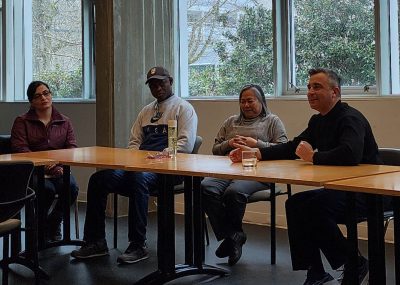
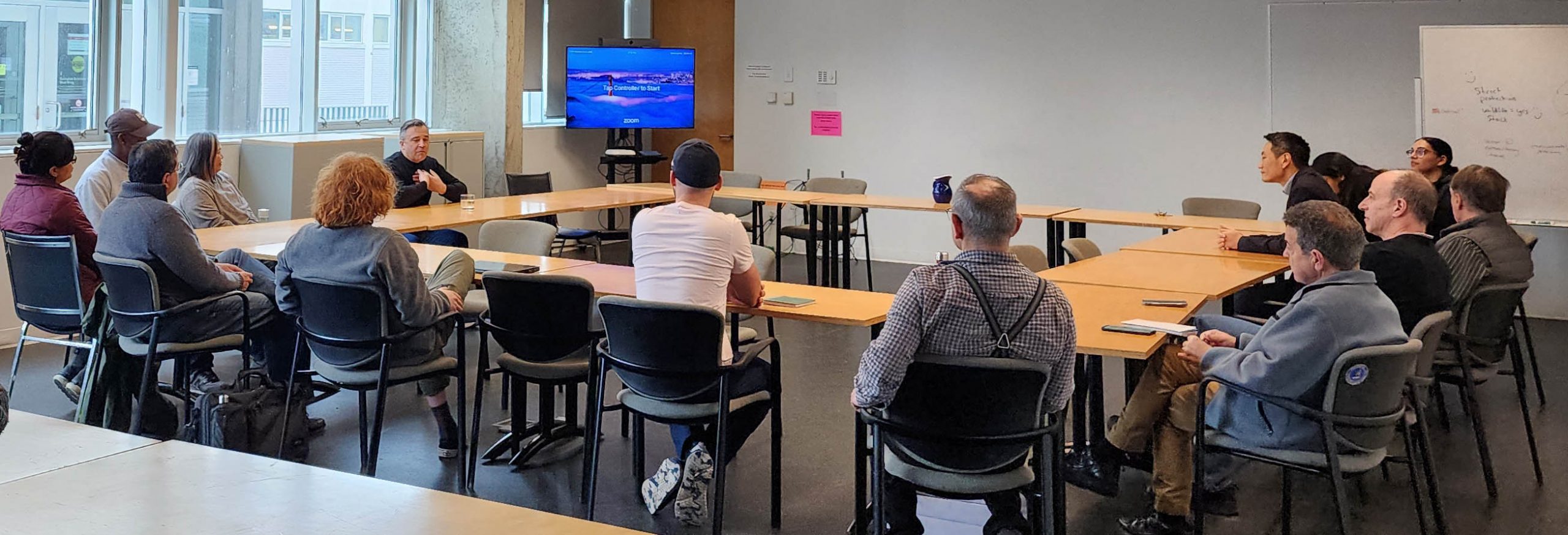
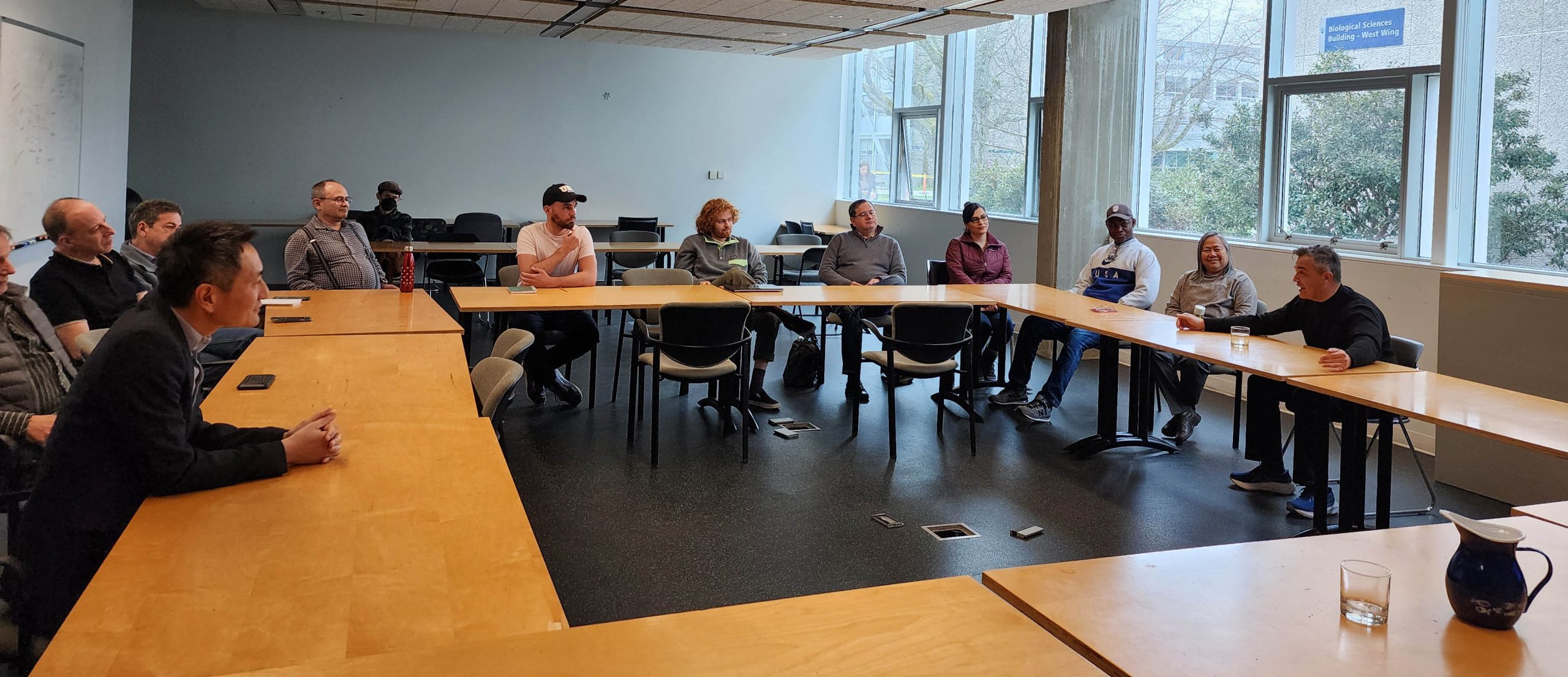
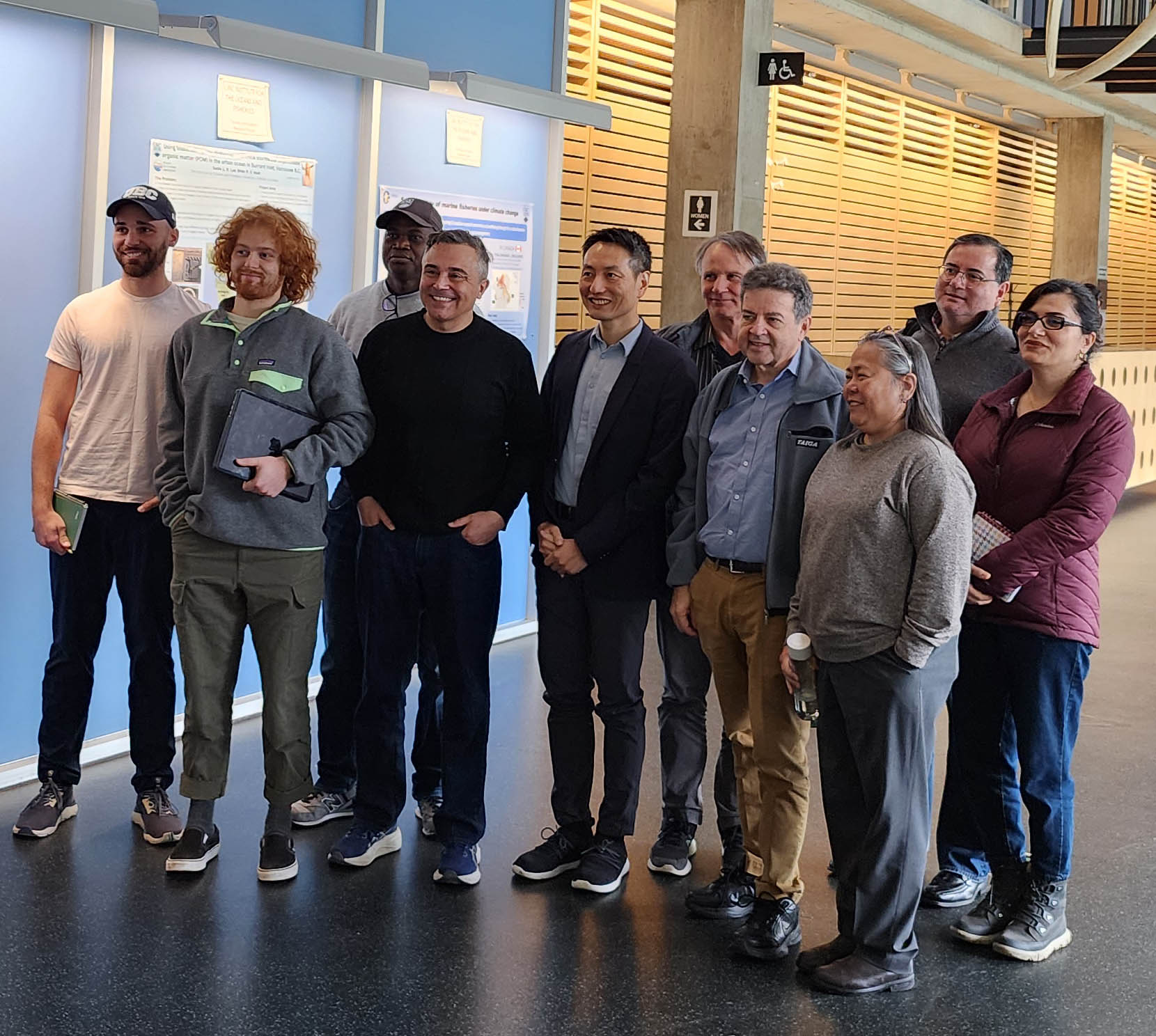
On March 25, 2024, Mike Kelloway, Parliamentary Secretary to the Minister of Fisheries, Oceans and the Canadian Coast Guard, visited the IOF offices. He had a chat with faculty members, researchers and students, and was also given a brief tour of our Wet Lab.
 |
|
|
|
 |
|
|
|
|
|