
Climate change is supercharging marine invasions, global study finds
Global review reveals warming oceans are making marine invasive species more successful — and highlights critical blind spots that could leave many regions unprepared.

When knowledge systems meet on the ice and in models
Indigenous Knowledge can offer deep, place-based understanding of how animals use their environment, yet it is still rarely included directly in the same habitat models as satellite telemetry and other Western scientific data.

Thousands of jellyfish clones are multiplying in B.C. lakes
If you spot a jellyfish in British Columbia, chances are you are not looking at an ocean drifter, but a lake-borne invasive species.

Seals risk death by polar bear for a varied meal, UBC study finds
Arctic tracking shows ringed seals trade safety for food variety—evidence that conservation plans must factor in both food and fear.
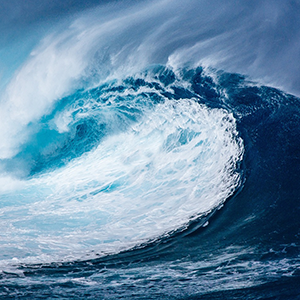
When the ocean loses its breath
Oxygen is invisible, but it quietly decides where marine life can live, how it behaves, and how productive ecosystems can be.

Wildfires could be harming our oceans and disrupting their carbon storage
Wildfires pollute waterways and could affect their ability to sequester carbon, recent University of British Columbia research shows.

Paper on sustainable trade under CITES is a ‘Rising Star’
“A practical approach to meeting national obligations for sustainable trade under CITES” won third place in Conservation Biology’s ‘Rising Star’ award competition.

Celebrating our graduates
It is always sad to say goodbye to our graduating students.

William Cheung wins UBC Alumni Achievement Award
He receives the Research and Innovation, which recognizes the important professional and community contributions of UBC alumni who have consistently demonstrated outstanding social achievements in research and innovation.
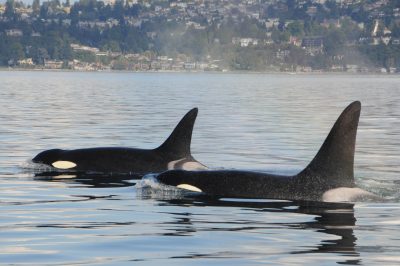
What could be impacting the food source of Southern Resident killer whales?
There are currently 74 Southern Resident killer whales, and this population is listed as endangered in both Canada and the U.S. The species relies on Pacific salmon (Chinook and coho) for food, however these salmon populations have been decreasing for decades.