The University of British Columbia
UBC - A Place of Mind
The University of British Columbia Vancouver campus
Institute for the Oceans and Fisheries
  • Home
  • About
    • Our Building
    • History
    • Vision, Mission
    • Career Opportunities
    • Sustainability
    • Equity, Diversity & Inclusion
  • People
    • Faculty
    • Research Faculty
    • Postdoctoral Fellows
    • Staff
    • Students
    • Alumni
  • Research
    • Impacts
    • Research Themes
    • Research Units
    • Research Excellence
    • Publications
      • Research Reports
      • Working Papers
      • Journal articles
      • Books
      • Book Chapters and Reports
      • IOF Newsletters
      • Archives
    • Partnerships
  • Graduate Program
    • Prospective Students
    • Current Students
    • Funding
    • IOF Student Society
  • Courses
  • News and Events
    • News
    • IOF Seminars
    • Media Coverage
    • Events
  • Fishermen

  • turtle

  • artisinal fishing

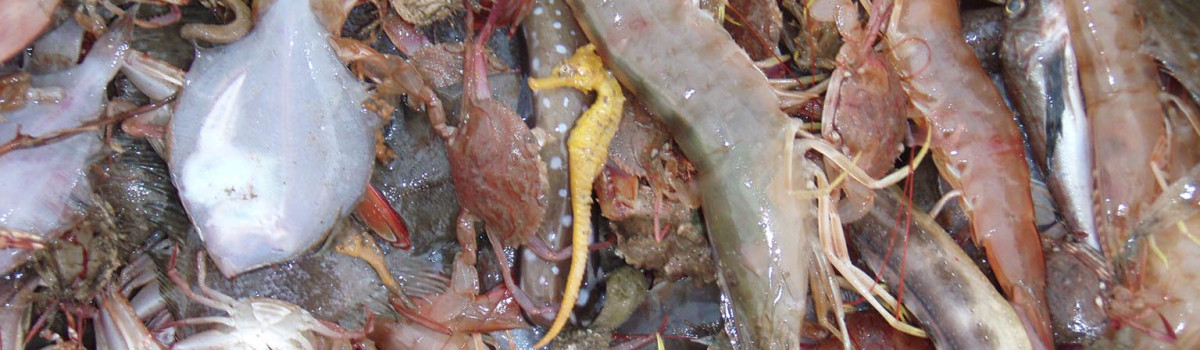
  • seahorse

  • industrial fishing

  • coastline

  • fish market

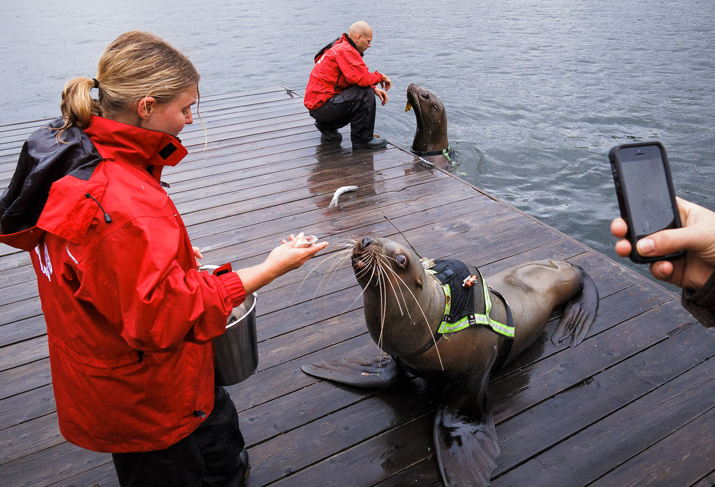
  • sea lions

  • jellyfish

INSTITUTE FOR THE OCEANS AND FISHERIES

Today’s global society has a responsibility to conserve freshwater and ocean ecosystems and sustainably manage fish stocks for future generations. In collaboration with partners in Canada and around the world, the UBC Institute for the Oceans and Fisheries is working towards a world in which our freshwater and ocean systems are healthy and their resources are used sustainably and equitably. Learn more
  • ABOUT THE
    INSTITUTE

  • research

    OUR
    RESEARCH

  • GRADUATE PROGRAM

  • IOF
    SEMINARS

Latest News


Salmon camps show youth Indigenous science at work
Imagine a summer camp where you can watch grizzly bears catch salmon in streams, while learning about the migration and preparation of the fish hovering in the water at your feet.


Nearly half of countries’ shared fish stocks are on the move due to climate change, prompting dispute concerns
The study tracked the shifting ranges of 9,132 transboundary fish stocks, which account for 80 per cent of catch taken from the world’s EEZs, starting in 2006 and projecting to the year 2100.


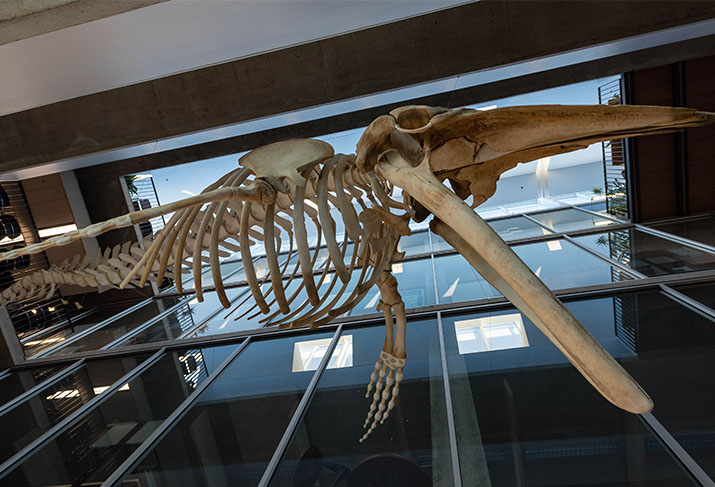
How big is that whale?
New data from stranded whales is yielding better estimates of body sizes needed to determine drug dosages, as well as assess the health and food requirements of whales


Enhanced statistical models will aid conservation of killer whales and other species
The whale used to develop the model preferred to save energy by gliding through the water when making deep dives, and when it was closer to the surface, it moved more actively, accelerating faster and ‘fluking’ its tail more often.


Data confirm link between respiratory stress and fish reproduction
A consistent metabolic ratio found across 133 Chinese marine and freshwater fish species provides new evidence in support of the idea that fish become sexually active – and spawn for the first time – in response to growth-induced respiratory stress.

Tweets by UBCOceans

Institute for the Oceans and Fisheries
Faculty of Science
Vancouver Campus
The University of British Columbia
AERL, 2202 Main Mall
Vancouver, BC Canada V6T 1Z4
Tel 604 822 2731
Website oceans.ubc.ca
Email info@oceans.ubc.ca
Find us on
    
Back to top
The University of British Columbia
  • Emergency Procedures |
  • Terms of Use |
  • Copyright |
  • Accessibility