Climate impacts on the ocean are making Sustainable Development Goals harder to achieve
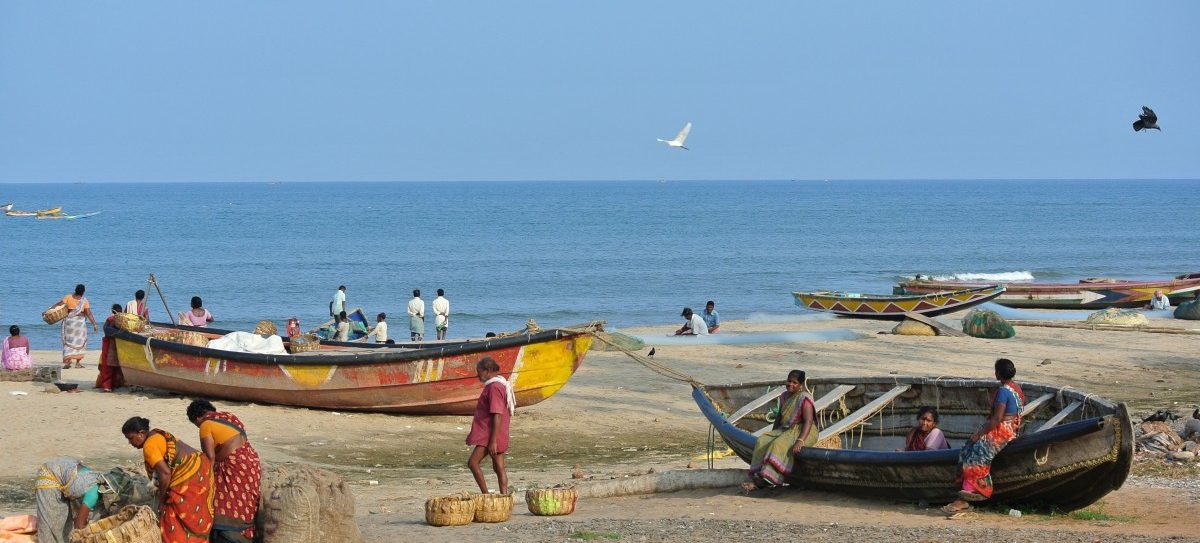
Image via PxHere. License: CC0 Public Domain
Climate impacts on the ocean don’t just hurt the environment – they also make it harder for us to achieve Sustainable Development Goals, which are meant to help us build a better and more sustainable future.
This was found in a new, comprehensive study that linked two major topics: how climate change is affecting the oceans, and how such climate impacts on the oceans affect people’s well-being, as defined by the Sustainable Development Goals (SDGs). Set by the United Nations in 2015, the SDGs are a group of internationally agreed-on goals that are meant to improve life for people globally. The goals – which include climate action, zero hunger, and gender equality – are intended to be met by 2030.
Gerald Singh. Credit: UBC IRES.
“We often think about the SDGs as stationary targets and assess our achievement of them as snapshots of ‘how far are we from the goals’. However, we live in a dynamic world, and addressing the SDGs in the context of global change requires an understanding of how these broad changes are affecting our likelihood of achieving the SDGs,” said Gerald Singh, one of the lead authors of the study, Postdoctoral Fellow at UBC’s Institute for the Oceans and Fisheries (IOF) and Institute for Resources and Sustainability (IRES), and Nereus Fellow.
By reviewing the latest scientific literature and consulting a wide range of experts worldwide, the researchers found that climate change not only impacts the environment – often negatively – but that the effects of climate change will probably impede our ability to improve people’s livelihoods and well-being. Climate impacts could forestall poverty reduction, diminish health, and prevent our ability to achieve inclusive and sustainable economic growth. Across all of the SDGs, climate impacts are expected to have the worst effect on the goal of eliminating hunger.
“We often think about the SDGs as stationary targets … [h]owever, we live in a dynamic world, and addressing the SDGs in the context of global change requires an understanding of how these broad changes are affecting our likelihood of achieving the SDGs,” said Gerald Singh.
Credit: United Nations.
In other words, climate change is not just an environmental problem, but one that inhibits our ability to tackle other social issues.
The study revealed that climate change is affecting the oceans in a variety of ways, both directly and indirectly, such as by increasing runoff rates and land-based pollution. Climate impacts on the ocean are also affecting its dependent human communities, for example, by reducing the availability of some seafood. All this indicates the importance of marine systems in achieving Sustainable Development Goals, most of which are adversely affected by climate changes to marine ecosystems, and the benefits people derive from these ecosystems, like food sources.

William Cheung
“The ocean provides us with food, regulates our climate, and is an essential part of the culture and identity of many people,” said Dr. William Cheung, a professor at IOF and Director of the Changing Oceans Research Unit (CORU), who was a senior author of the study. “Climate change is already hampering the ocean’s ability to provide these goods and services to us, and without mitigating greenhouse gas emission, it will be impossible for the world to achieve sustainable development.”
Although the researchers found that climate change had overwhelmingly negative consequences on our ability to achieve SDGs, they identified two goals that could be prioritized by governments, because they are the least affected by climate impacts and are an important means to achieve the other SDGs. These were changing global consumption and production patterns, and developing affordable clean energy systems.
In other words, climate change is not just an environmental problem, but one that inhibits our ability to tackle other social issues.
As important prerequisites to other SDGs, these two goals can help us achieve other goals while mitigating climate change itself. But the researchers say that urgent and effective action must be taken towards sustainable development, such as by reducing and adapting to climate impacts on marine systems that are relevant to achieving SDGs, in order to ensure SDGs are not just a “moving target” drifting further away from us. The longer we stall, the researchers say, the more distant these goals will become.
“The SDGs are aspirational and symbolic, but if they are to be substantial and meaningful we need to strategically act on them now or they will become too distant,” said Singh.
The paper “Climate impacts on the ocean are making the Sustainable Development Goals a moving target traveling away from us” was published in the journal People and Nature.
IOF Authors:
The authors involved in the study from UBC’s Institute for the Oceans and Fisheries are Gerald G. Singh, Joey Bernhardt, Andres M. Cisneros-Montemayor, Madeline Cashion, Pedro C. González-Espinosa, Vicky Lam, Gabriel Reygondeau and William Cheung.
Tag: climate change, CORU, faculty, food security, IOF postdoctoral fellows, Nereus Program, Sustainable Development Goals (SDG), William Cheung
Sarah Harper wins Sumaila-Volvo Graduate Prize
IOF and IRES student Sarah Harper has won the inaugural Sumaila-Volvo Graduate Prize in Environmental Sustainability.
This prize was been made available through an endowment established by Dr. Rashid Sumaila, upon being named the 2017 Volvo Environment Prize laureate. The prize is for a Master’s or Ph.D. student whose peer-reviewed publications to date are expected to have the most significant impact on the field of environmental sustainability. Preference is given to students supervised by faculty members who are affiliated with the Institute for the Oceans and Fisheries; the Institute for Resources, Environment and Sustainability; or the School of Public Policy and Global Affairs.
“I am absolutely thrilled to have been chosen for this award and to be recognized for my contributions towards more equitable and sustainable fisheries for all.”

Sarah Harper
Harper’s doctoral research, which highlights the contributions by women in fisheries economies globally, has the potential to influence the science, policies and programmes worldwide that aim to promote sustainability and equity in fisheries. She has 20 peer-reviewed publications on various topics related to gender, fisheries and economics, and her publications have been cited over 800 times according to Google Scholar (as of April 2019).
Harper, who recently defended her RES doctoral dissertation, said, “I am absolutely thrilled to have been chosen for this award and to be recognized for my contributions towards more equitable and sustainable fisheries for all.”
Dr. Rashid Sumaila, who established this prize, was jubilant about Dr. Harper’s win. “At the international level, numerous policy instruments have identified gender equality and the empowerment of women as critical to advancing sustainable development. These tools underscore the connection between gender equality and other important societal goals such as poverty reduction, eliminating hunger, and maintaining healthy oceans, including fisheries. Positioned within this policy context, Sarah’s work will continue to have a substantial impact in shaping the dialogue around fisheries sustainability and gender equality.”
Tags: awards, gender, IOF students, Sarah Harper
Status, Trends, and the Future of Fisheries in the East and South China Seas
The newest Fisheries Centre Research Report (27-1) looks at the East and South China Sea Large Marine Ecosystems (LMEs), which contain globally significant biodiversity and habitats. These two LMEs border some of the world’s most populous countries, among which are major fishing nations such as China, South Korea, Japan, Thailand, and Vietnam. Fisheries thus play a prominent economic, food security, social, cultural, and livelihood role in East (ECS) and South China Sea (SCS) countries. However, ECS and SCS fisheries have experienced decades of decline, and their future sustainability is undermined by weak and/or ineffective fisheries management and governance, uncontrolled coastal development, and climate change, among other global, regional, and local scale human and environmental pressures.
There is clearly an urgent need to improve marine resource management in the East and South China Sea LMEs. This report is intended to support the call for action to rebuild and protect the LMEs’ marine resources. To do so, our research objectives are: 1) Provide a baseline assessment of the present status of East China Sea fisheries at the LME level; 2) Assess the potential impact of future management and climate change on ECS fisheries and marine ecosystems.
The report is split into 4 chapters: Chapter 1 sets the stage by introducing the Large Marine Ecosystems (LMEs) of Asia, and in particular provides indicators on fisheries productivity, trade, fishing capacity and management performance for the East and South China Seas. In Chapter 2, ‘Taking Stock’, we document the current economic and social contribution of fisheries to national economies of the East China Sea[1] at the LME scale, and review the present status of ECS fisheries governance. Chapter 3, ‘Global Change’, undertakes ecosystem modelling to assess the potential ecological and economic outcomes of fisheries in both the ECS and SCS under different future scenarios of management and climate change. Chapter 4 investigates the pressing regional issue of biomass fishing by comparing economic returns to the fishery from exploiting juvenile fish versus waiting for the fish to mature.
Collectively, the analyses in this report fill a present research gap by providing a comprehensive picture of the substantial socio-economic contributions of ECS fisheries at the LME scale, and showing the potential fisheries and ecosystem trade-offs under future management and climate change scenarios. By doing so, this report helps to inform fisheries policy by highlighting the costs and benefits to ECS society and ecosystems if steps are not taken to improve the current state of national and regional fisheries governance.
https://fisheries-2023.sites.olt.ubc.ca/publications/research-reports/
Tags: faculty, FCRR, IOF Research Associates, IOF students, Juan Jose Alava, Louise Teh, Publications, Rashid Sumaila, Research, William Cheung
COSMOS Award winner Caroline Graham is putting together the picture of salmon diets across the North Pacific
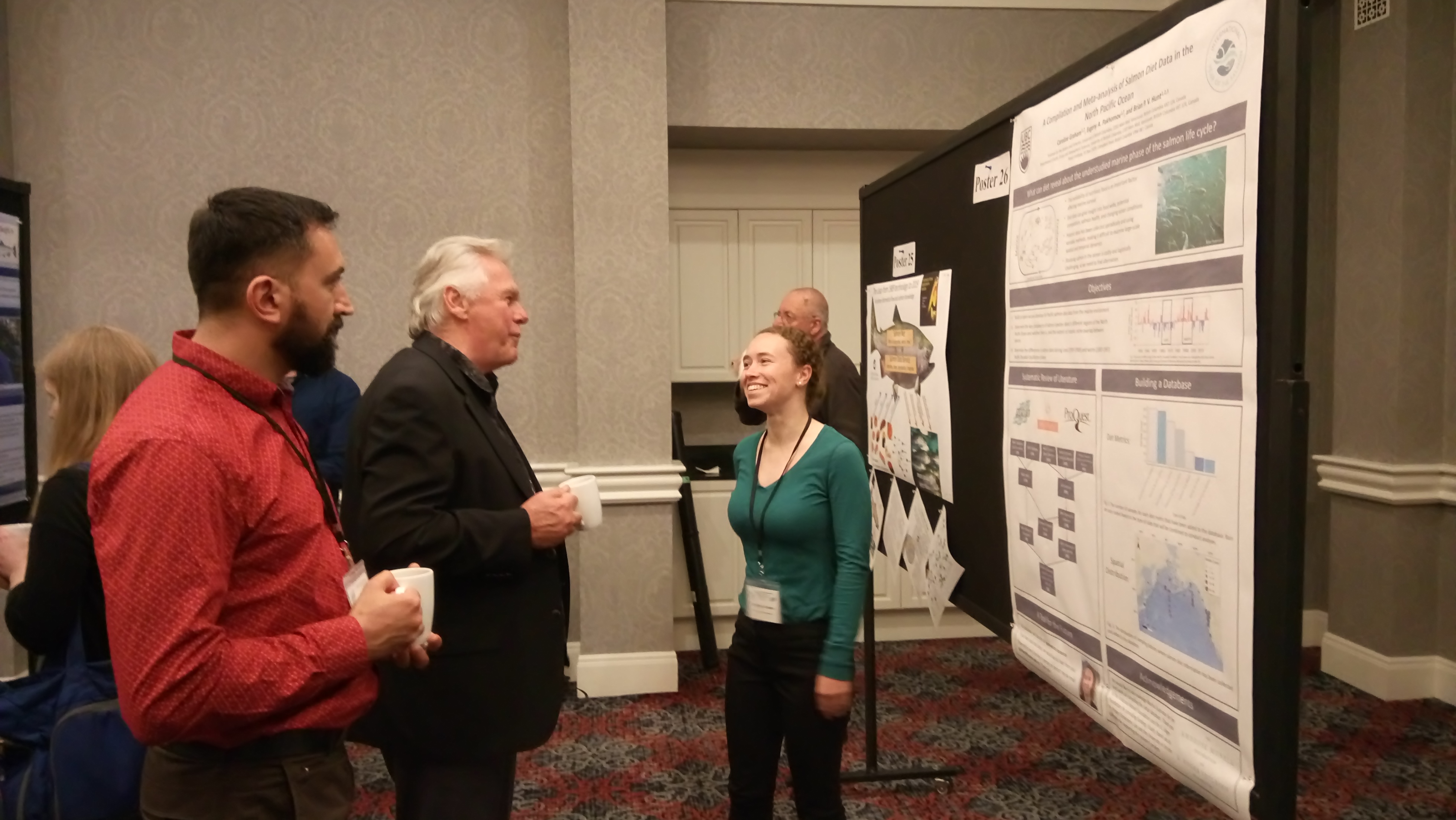
Caroline Graham presents an overview of her database project at the 2019 NPAFC-IYS Workshop. (Credit: North Pacific Anadromous Fish Commission (NPAFC))
Salmon play an incredibly important role in the lives of many people, from within Canada to other countries throughout the North Pacific. Finding out what different salmon species are eating and how this might have changed over the years across various regions could be key to understanding salmon health and conservation.
This is what Caroline Graham, a graduate student at UBC’s Institute for the Oceans and Fisheries (IOF), is researching. For her Master’s, Graham is creating an open-access database for salmon stomach contents in the marine environment under the supervision of Dr. Brian Hunt and with guidance from Dr. Evgeny Pakhomov.
“Across the Pacific, a lot of data are available on salmon diets but there’s currently no centralized hub for this information,” explained Graham, who is part of the Pelagic Ecosystems Laboratory at the IOF.

Caroline Graham. (Credit: NPAFC)
The database is meant to tackle this problem by compiling Pacific salmon stomach content information from different regions and countries into one source, painting a more holistic view of their diets. When the database is complete, researchers will be able to understand what prey has been found, historically, in the stomachs of certain salmon species during a particular period and in a specific area. They would also be able to visually interact with the data using maps or graphs, and extract this information for their own projects.
“It will be especially interesting to see how the Eastern Pacific data compares to the Western Pacific data, because there are very few comparisons between these regions,” Graham said.
As the 2018 recipient of the COSMOS Travel Award, Graham has been travelling to various locations in the United States to meet with potential project collaborators. The award is endowed by Dr. Daniel Pauly, a professor at IOF and principal investigator of the Sea Around Us, for an international graduate student to conduct research in their home country.
“I was excited to share my project with interested people and to see what other ideas salmon experts had in mind, and how they might find this resource useful,” Graham said. “The award gave me an opportunity to build a network for this project and get some feedback, which has been helpful in shaping the vision for this database resource.”
“The award gave me an opportunity to build a network for this project and get some feedback, which has been helpful in shaping the vision for this database resource.”
With the funding from the award, Graham travelled to Portland in May for the Second NPAFC-IYS Workshop on Salmon Ocean Ecology in a Changing Climate, which was held jointly by the North Pacific Anadromous Fish Commission (NPAFC) and the International Year of the Salmon (IYS). There, she presented an overview of her database project to a diverse group of researchers from all over the North Pacific, including those from the five major countries involved in the meeting: Canada, the United States, Russia, Japan and Korea. She also traveled to Washington to meet with scientists from the National Oceanic and Atmospheric Administration (NOAA).
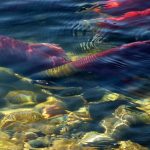
Sockeye salmon.
In her work, Graham emphasized the importance of international collaboration and how it can open up new doors in research. “At the meeting in Portland, we had conversations with Russian scientists about collaborating to add some Russian data to our database, which would have been otherwise inaccessible to the rest of the North Pacific countries,” she explained.
Graham plans to travel more for the project in the future, perhaps to California, where the 2020 Salmon Ocean Ecology meeting is being held, or to Alaska to speak with other salmon scientists. While she is currently collecting diet data in the form of stomach contents, Graham added that eventually the database is also meant to encompass other types of diet information, like stable isotope and fatty acid data, to give a more complete view of the conditions that salmon face in the ocean.
“Salmon are such a socially, culturally, environmentally and economically important fish,” Graham said. “Ultimately, my goal is to continue to bring attention to them and to better understand what is happening to salmon during this time of rapid social and environmental change.”
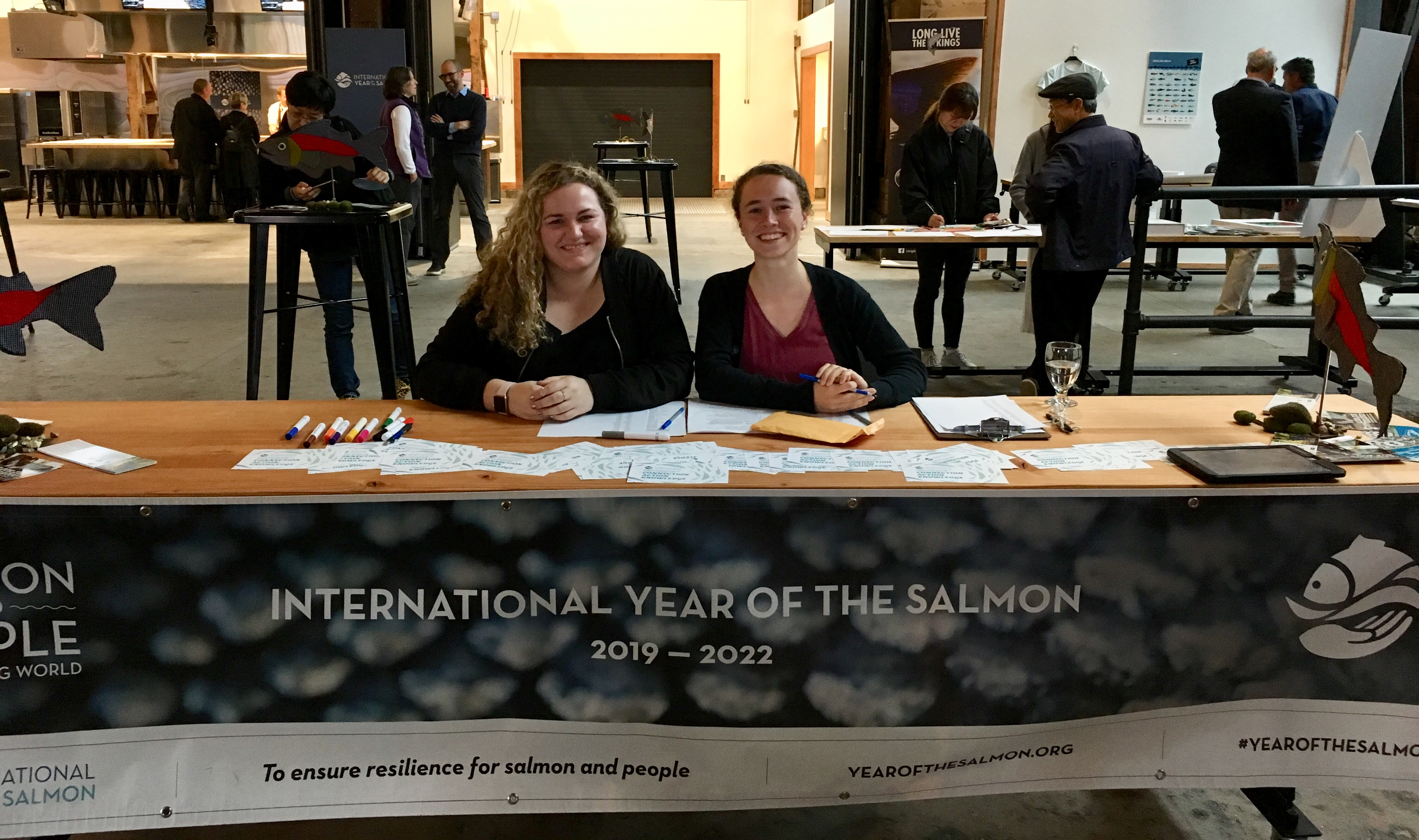
Caroline Graham volunteers at the IYS’s “Salmon Scales Eats and Feats” outreach event. (Credit: NPAFC)
Tags: awards, Brian Hunt, IOF students, Pelagic Ecosystems Lab, Research, salmon
What’s in a name?
Amanda Vincent has pipefish species named after her
A new species of pipefish found in Patagonia, Argentina, in the south‐west Atlantic Ocean has been named after IOF Professor Amanda Vincent. Prof Vincent has long led conservation efforts for pipefishes, seahorses and seadragons (family Syngnathidae) and is Chair of the global expert group on these fishes.
The Journal of Fish Biology paper describing the species, Leptonotus vincentae, states that it “is named after Amanda Vincent, whose work on conservation of syngnathids [pipefishes and seahorses] has increased our chances of having healthy populations of these fishes in the threatened seas of the world.” Prof Vincent and her Project Seahorse team have received many awards for their measurable achievements in marine conservation.
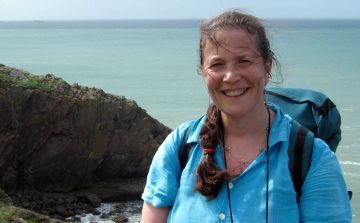
Dr. Amanda Vincent
Prof Vincent is delighted by this honour. “I’m so thrilled to have my very own pipefish species, from an area of the world that I love. Huge thanks for this marvellous honour. I can’t wait to visit the pipefish in their natural habitat; we must redouble our efforts to protect the area.”
“I can’t wait to visit the pipefish in their natural habitat,” says Prof, Amanda Vincent
Leptonotus vincentae (with the common name of Patagonian pipefish) was discovered in the shallow waters of Argentina’s San Antonio Bay (40° 45′ S 64° 52′ W), a marine protected area regulated by the provincial government and categorized as V, Protected landscape–seascape by the IUCN.
Diego C. Luzzatto, the Argentinian biologist, who along with his wife and fellow scientist María L. Estalles, first found and described the pipefish, said naming it after Dr. Vincent was “the obvious answer is because of her huge work on syngnathids and their conservation.” Vincent had visited Luzzatto and Estalles a few years ago and greatly impressed them. “When I did noticed the new pipefish, there were no doubts about the name,” Luzzato said. He wrote to Prof Vincent that “this species is dedicated to you and your legacy on the conservation of seahorses and their relatives. Your work, dedication and love for these fishes have inspired many young scientists.”
This genus of pipefishes, Leptonotus, is distinguished by the fact that males brood eggs on their tail with advanced parental care. Males and females differ in other ways, too; when courting, for example, females develop bright stripes on their deep flattened bodies. Leptonotus is the only genus of pipefish found in Patagonia and all four species, including L. vincentae, are only known from the southern seas around South America and New Zealand.
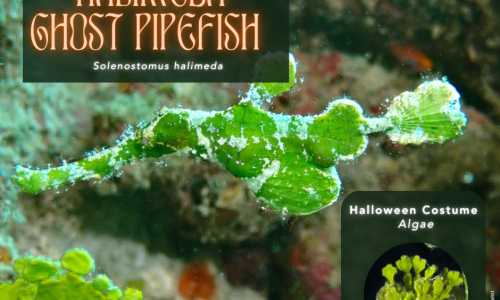
This Halloween, Project Seahorse researchers bring ghost pipefishes out of the shadows
Ghost pipefishes, close relatives of seahorses and seadragons, don’t get nearly as much attention as their famous cousins, where the male carries the babies. With Halloween here, it’s a spooktacular time to spotlight these species.
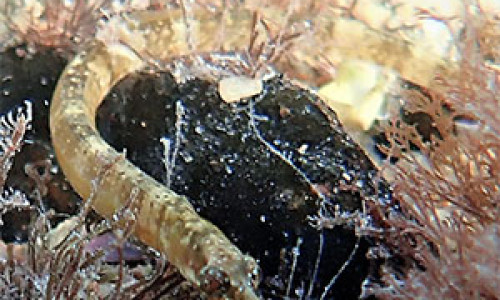
What’s in a name?
A new species of pipefish found in Argentina has been named after IOF Professor Amanda Vincent.
Source: Leptonotus vincentae, a new pipefish species (Syngnathidae: Syngnathinae) from the south‐west Atlantic Ocean near northern Patagonia, Journal of Fish Biology.
Tags: [Tags]
Leptonotus vincentae
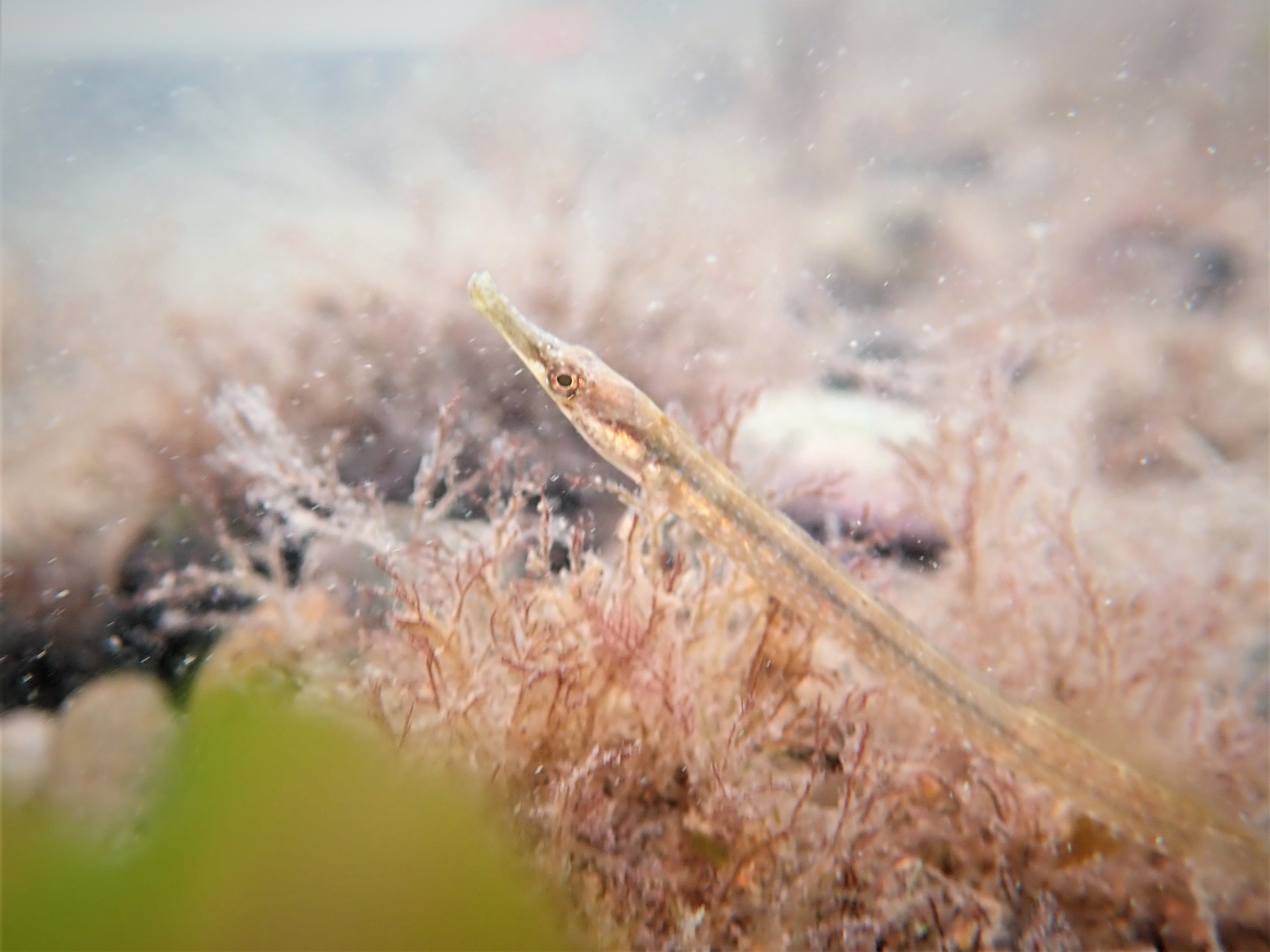 Leptonotus vincentae. Photo: ©Diego Luzzatto
Leptonotus vincentae
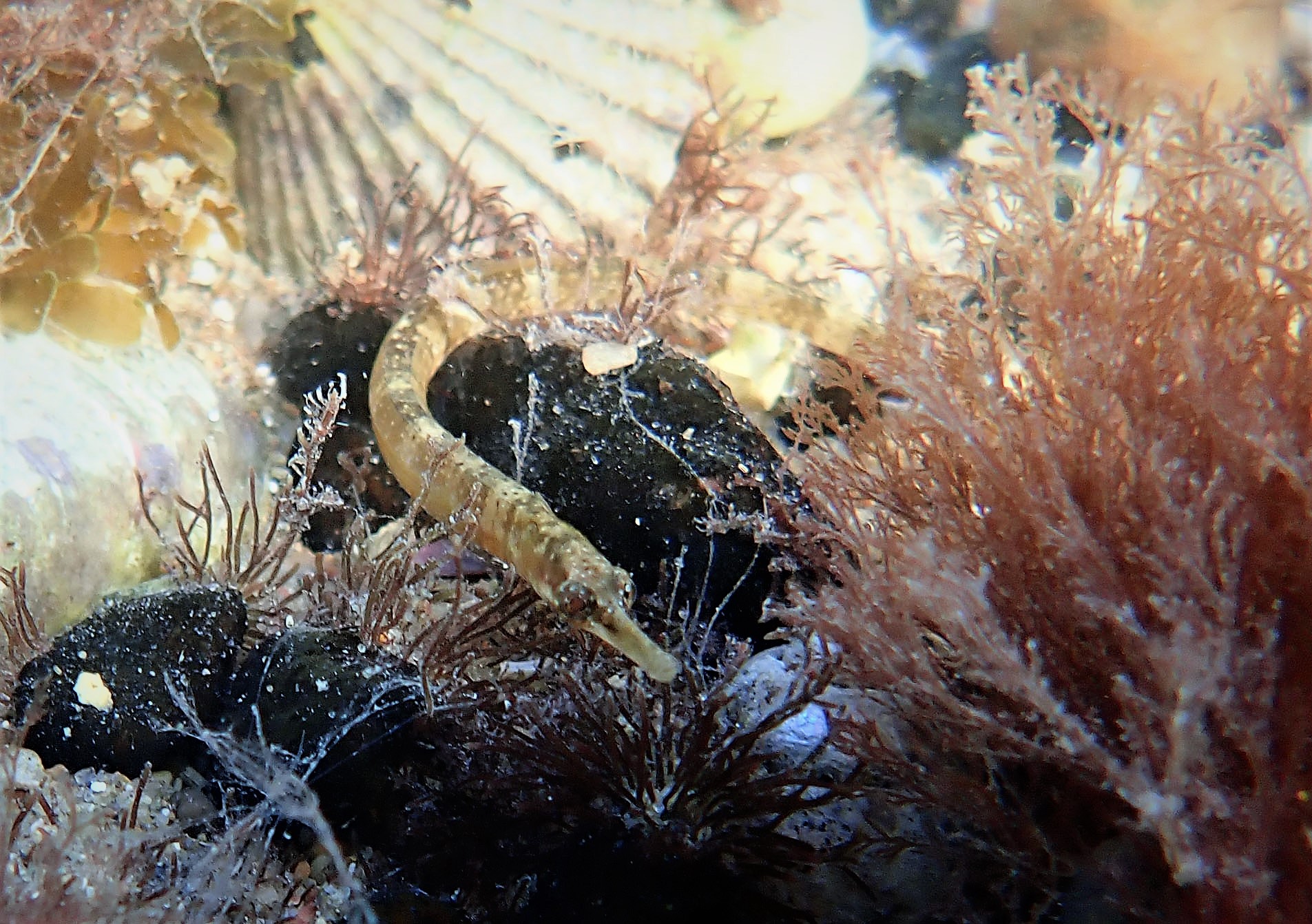 Leptonotus vincentae. Photo: ©Diego Luzzatto
Leptonotus vincentae
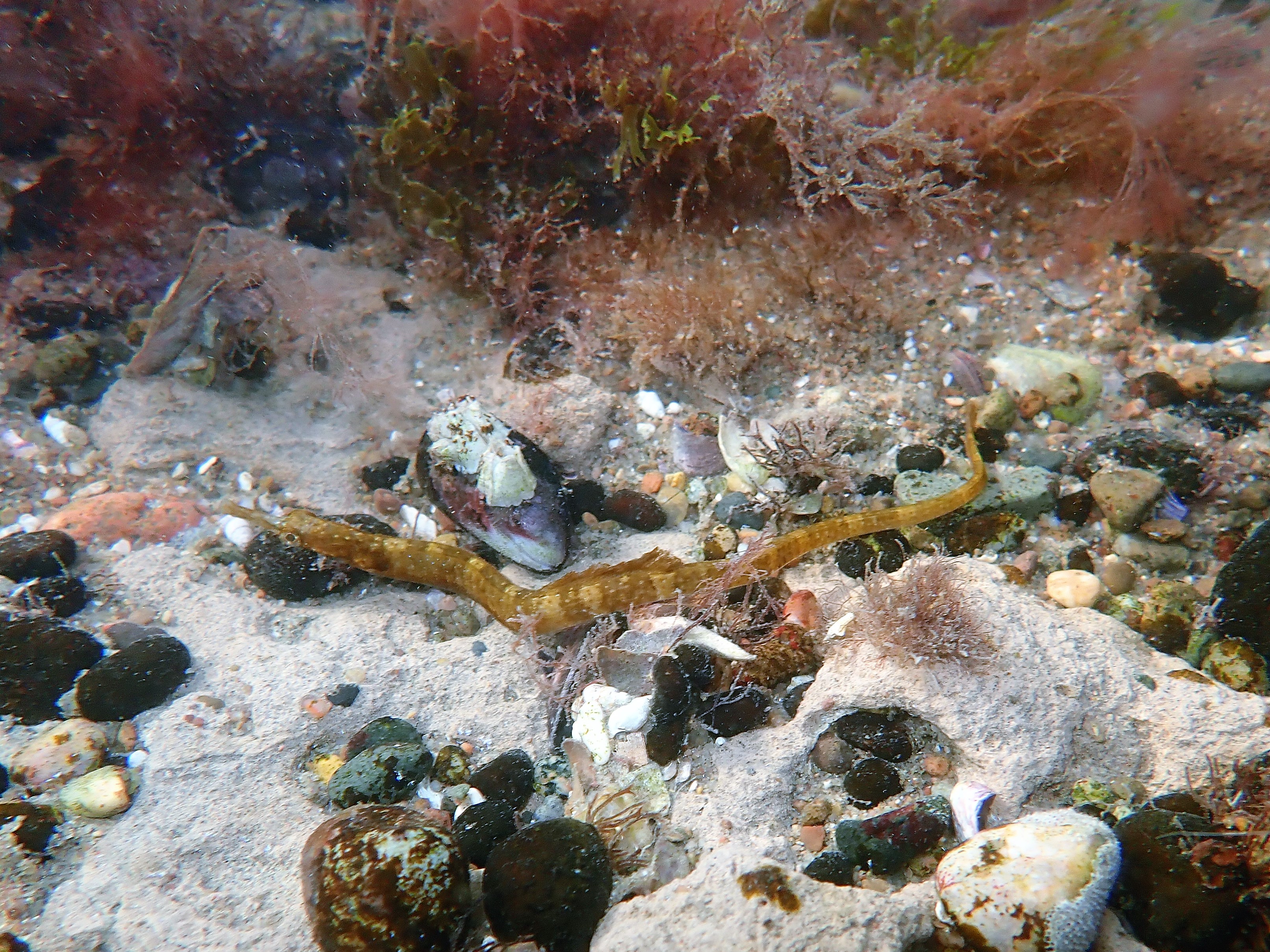 Leptonotus vincentae. Photo: ©Diego Luzzatto
Leptonotus vincentae
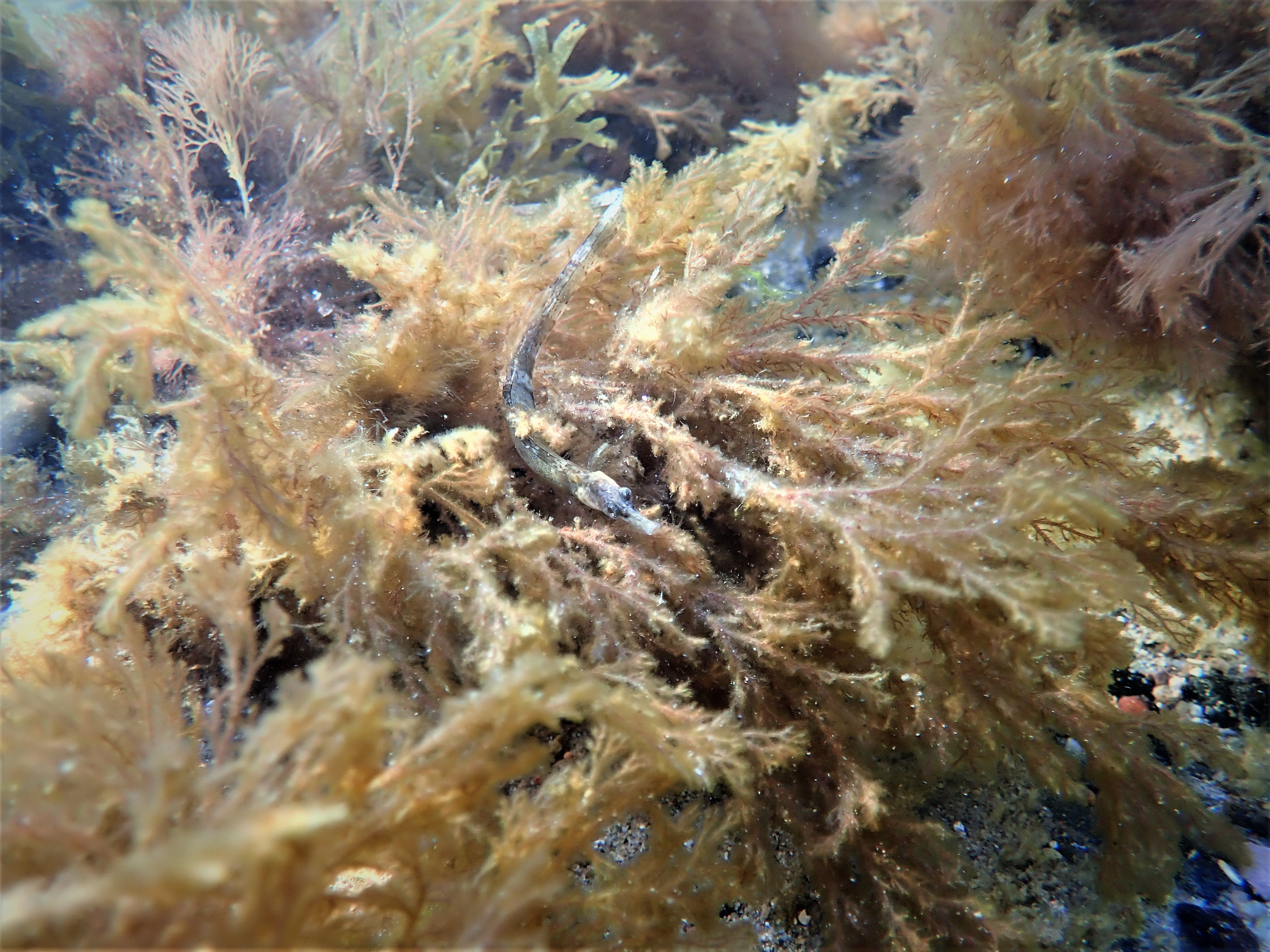 Leptonotus vincentae. Photo: ©Diego Luzzatto