Developing nations at risk from harmful fisheries subsidies, UBC study states
Harmful fisheries subsidies are leading to more fishing vessels chasing fewer fish, resulting in adverse environmental and societal impacts.
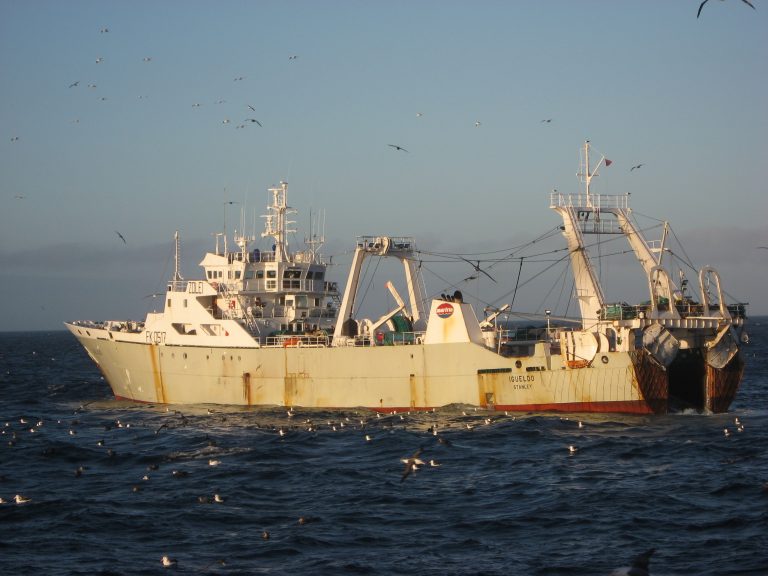
Fishing in Falkland Islands © Anna Schuhbauer
Fish aren’t impacted by borders, and neither are the subsidized fishing fleets that follow them. A recent study quantified the number of harmful fisheries subsidies that support fishing in the high seas, domestic and foreign waters and found that between 20 and 37 per cent of these subsidies supported fishing in waters outside the jurisdictions of their home nation; these subsidies also primarily originated from developed nations yet disproportionately impacted developing countries, leading to environmental and societal impacts all around the globe.
“Harmful subsidies often lead to a fishing fleet being able to go out fishing even if [the fishing] isn’t profitable,” said Anna Schuhbauer, author of the study and postdoctoral research fellow at the Institute for the Oceans and Fisheries. “And these vessels can go wherever they want —they can go to other countries, other economic zones. And so, we were really interested in the impact of these subsidies on the countries where these boats actually fish.”
Harmful fisheries subsidies are any direct or indirect financial contribution by a government to a private sector that increases the revenue, or lowers the cost, of fishing. Fuel subsidies, tax exemptions, support for vessel construction, investment in marketing and processing infrastructure — by altering the economics of fishing in these ways, harmful subsidies can encourage unsustainable fishing capacities that exponentially increase the risk of exploitation.
In 2018, an estimated $22.2 billion in harmful fisheries subsidies were provided to the world’s fishing fleets. Of this, some $5.3 billion were likely to support fishing in foreign waters and within the exclusive economic zones of foreign nations, and $1 billion supported fishing in the high seas. These numbers mean that the benefits, and the resulting environmental and societal costs, of these subsidies are not equally distributed across the places these fishing vessels go to.
“What we’re finding out is that harmful fishing subsidies create more inequities in places where the coastal communities are already marginalized,” said Schuhbauer. “You have coastal communities that are already disadvantaged over the big industrial fisheries because the government doesn’t really pay too much attention to them.”
“And we’re not saying that the small-scale fishing fleet should get more subsidies, but maybe the harmful subsidies should be taken away and instead, provided as beneficial subsidies. Maybe for community-based projects or just generally for fisheries management for both industrial and small-scale fleets,” Schuhbauer said.
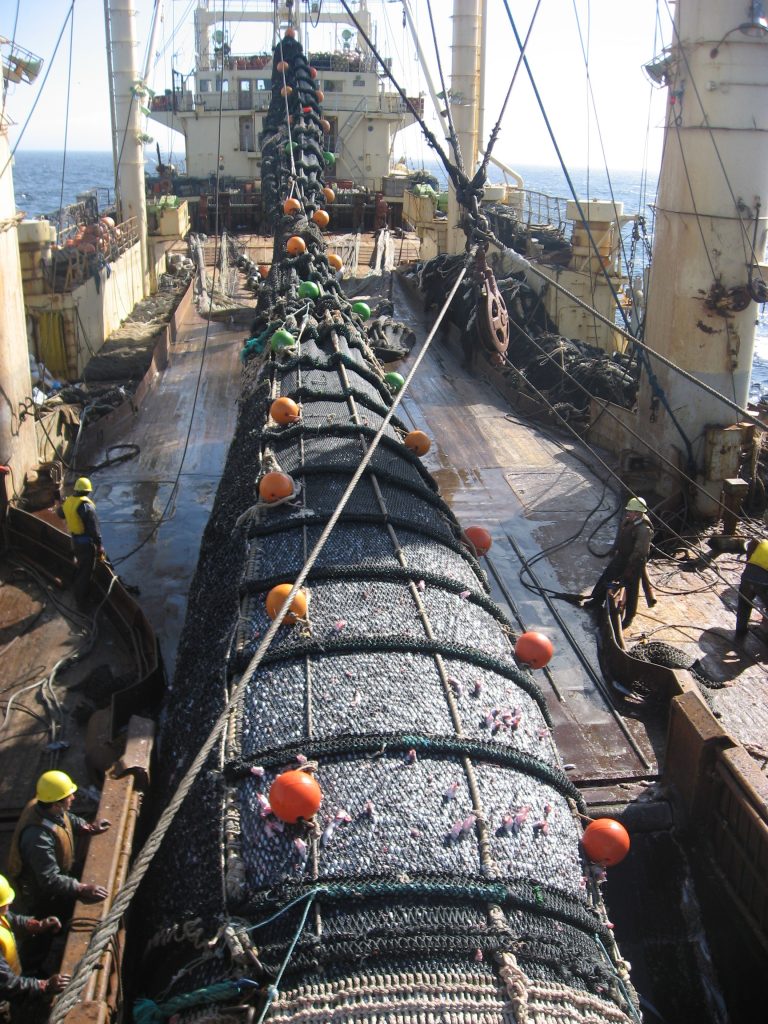
Industrial fishing in Falkland Islands © Anna Schuhbauer
Local fishing suffers when big boats, harmfully subsidized, take all the fish and livelihood opportunities away from local fishers. Food insecurity becomes an issue as well, especially for communities heavily reliant on day-to-day subsistence fishing. Artificially created jobs lead to an economy falsely dependent on fishing, where the government does not support creating different, sustainable livelihood opportunities.
“Both current and future generations of marginalized communities in the Global South are heavily impacted by harmful fisheries subsidies,” said Rashid Sumaila, University Killam Professor and Canada Research Chair at the Institute for the Oceans and Fisheries. “There is a huge opportunity cost when limited public resources are used to subsidize overfishing because the same resources are not available to tackle some of the big challenges facing these communities such as building and running community health centres, and schools.”
“Secondly, because such subsidies lead to overcapacity and overfishing not only by local but also subsidized vessels of distant water fishing nations, they literally take food out the mouth of both current and future generations of these communities.”
The ecological impact of these harmful fisheries is also great, and should not be underestimated. Instead of addressing the lack of fish in domestic waters, harmful subsidies allow fishing vessels to deplete fish stocks in other countries’ waters.
“Harmful fisheries subsidies can have many serious impacts,” said Daniel Skerritt, lead author of the study and a former postdoctoral research fellow at the Institute for the Oceans and Fisheries, who is now with Oceana. “Our previous research, and that of colleagues all over the world, have shown how they can distort markets and contribute to unfair trade practices, lead to higher CO2 emissions by making fuel cheaper, and ultimately increase the risk of overfishing.”
Over 20 years ago, the world community recognized how harmful fisheries subsidies were destructive to fish stocks and fishing communities, and asked the World Trade Organization (WTO) to address these issues.
“The mandate was to work collaboratively with countries worldwide to discipline them,” said Sumaila. “The WTO reached an agreement in June 2022 to help reduce these subsidies. At the moment, some commentators have found the agreement wanting.”
The WTO struck a deal in June last year that partially banned provision of fisheries subsidies, but only to illegal fishing and fishing on overfished stocks. WTO Members will be meeting again in February 2025 to negotiate the parts of the deal that were not included, including the prohibition of all harmful subsidies.
“This is what most voices in the scientific community are in support of,” said Skerritt. “The alternative is to provide support that actively works to increase sustainability and equitability in fisheries, particularly in shared fisheries.”
Tags: Anna Schuhbauer, Daniel Skerritt, FERU, fisheries economics, fisheries management, IOF postdoctoral fellows, Rashid Sumaila, Research, subsidies
Macroalgae have a complex tale to tell about coral reef health
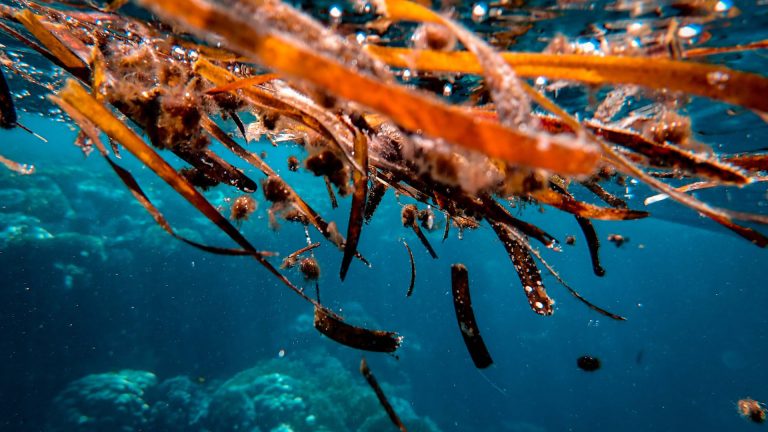
Photo by Francesco Ungaro on Unsplash
For decades, scientists have used macroalgae cover as a proxy for the health of underlying coral reefs — as it is quicker and easier to measure. The assumption since the 1970s has been that local human impacts lead to increased growth of macroalgae, and – simultaneously – more reef damage. However, this approach has been misleading and may even have hidden signs of reef stress, the researchers say.
“This paradigm has limited the ability of scientists to understand how both local and global disturbances are affecting coral reefs, especially critical today given that reefs globally are threatened by climate-driven stressors,” says lead author Dr. Sara Cannon, a postdoctoral research fellow at the Centre for Indigenous Fisheries who recently completed her PhD at UBC Geography.
The large-scale study is one of the first to evaluate the impact of human activity on a wide range of macroalgae, and provides compelling evidence that scientists need to move towards a more localized understanding of coral reef health.
Published in Global Change Biology, the study brought together researchers from around the world to look at data from over 1,200 sites in the Indian and Pacific Oceans, collected between 2004 and 2020.
After analyzing for environmental variables like storms and heat stress, and human disturbance like tourism and pollution, the researchers found that many of these individual factors could actually influence macroalgae growth – including those unrelated to human activity.
Coverage also highly depends on the species growing in the area – Sargassum is less likely to grow in water contaminated by agricultural runoff, whereas Halimeda will thrive. However in both cases, a reef will suffer. As such, the researchers conclude that using macroalgae coverage as an indication of local human disturbance can actually obscure local anthropogenic threats to reefs.
They also note that some species do better in the absence of humans, and in those cases a healthy population can signal an area that also has a healthy reef – something which has largely been unexplored in previous research.
Reefs will need to be carefully managed as the climate continues to warm, but this is best done by considering the local context of each reef community, rather than using generalized assumptions, says Dr. Cannon. “Using macroalgae percent cover as an indicator of local human disturbance may lead scientists to misidentify the reefs most in need of interventions.”
Despite the challenges identified, the study shows that there is promise in assessing reef health by looking closely at the response of each macroalgae species – an area that merits further research.
Macroalgae exhibit diverse responses to human disturbances on coral reefs was published in Global Change Biology.
Tags: algae, Centre for Indigenous Fisheries, climate change, coral, IOF postdoctoral fellows, Sara Cannon, seaweed
Celebrating Canada’s ‘unicorn’ – the narwhal
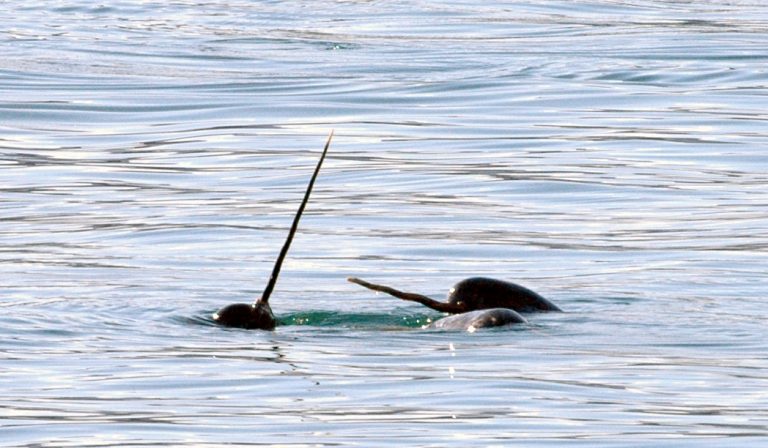
©Marie Auger-Methe
The IOF interviewed two of our researchers, Ron Togunov and Katie Florko, who have each researched narwhals and have contributed to helping us learn more about these shy creatures.
Katie Florko
Two of your research papers have been about narwhals, Katie. What inspired them?
The two papers were actually from the same project, and the data was collected simultaneously. The main goals with those papers were to investigate an area that’s called the last ice area. In the Arctic, there’s been this kind of polar cap of multiyear sea ice. And because there’s this really heavy sea ice, there’s often not a lot of productivity. But what’s been found is that the sea ice has been shrinking. The size of it is smaller, and it’s kind of retracting northwards. And the idea is that this area, it’s at the tip of northern Canada at the tip of Ellesmere Island is expected to be the area where we’ll have the last sea ice in the summer.
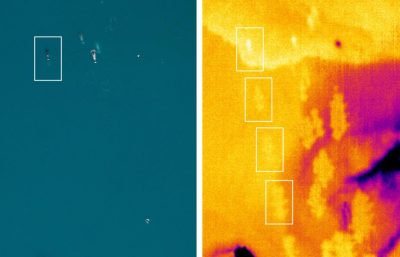
The narwhal (top left) has left a path of upwellings that can only be seen clearly in the infrared image at right. Credit: Katie Florko and Cody Carlyle
Sea ice is ice that forms on the surface of any marine waters. It covers the surface of the water, and commonly serves as a substrate for algae to grow in. That then feeds other levels of the food web. And it also serves as a physical platform for a bunch of marine mammals. Seals and walruses will use it to haul out and pop out of the water and use it as a platform to rest. And it’s also really important because it’s what polar bears use as well. They use it for traveling and for hunting and for finding mates.
So, how did you monitor the sea ice and what was going on in the water?
We went up in a small, fixed wing plane, and the belly of it was open. We put a couple of cameras in the bottom of the plane while we were flying, and these cameras are really helpful. We also had a visual camera that was taking photos every two seconds and that has a really high resolution.
We also brought an infrared camera that was mounted right beside the DSLR camera. And the idea with the infrared is that it could help us pick up animals that are really hard to see.

Kate Florko
The first thing that was really cool was how we detected in the narwhals. So, we’re flying around. And then suddenly on the infrared, we saw these really interesting patterns that were humongous. With these narwhals, what we were seeing is this huge trailing pattern behind them. And then we looked into it and found that that was what we call a fluke print — the mixing of water from the swimming up the animal.
And then the other really cool thing was the narwhals that we saw with the infrared were the most northern narwhal that have been observed. And it’s because the ice is retreating, and that these really northern areas are becoming warmer and they’re becoming accessible to animals.
How did it feel seeing the narwhals?
I would say it was bittersweet, I had mixed feelings. I mean, it was cool to see narwhals. And it was cool to see the northern most narwhal, but it was also concerning seeing them in an area that’s typically covered in ice. We also don’t know a whole lot because this area hasn’t been observed before so we don’t know, maybe they have been coming here for like the previously shorter summer seasons. Maybe they have been using this area. But regardless, it does seem like a bit of a canary in a coal mine.
Ron Togunov
Ron Togunov. Credit: UBC Marine Mammal Research Unit
The project I was part of it was primarily organized by Fisheries and Oceans Canada (DFO). For this particular project, they were working with a community out of Pond Inlet on Baffin Island. The narwhal for them is an important species for subsistence harvesting, and also culturally, but there were some iron mines that had opened in that area a few years ago. The community was concerned and interested about the effects that shipping might have on the narwhals using that area.
With iron mines on Baffin Island, what effects on the narwhals were the communities worried about?
Narwhals spend the wintertime in Baffin Bay, which is the big body of water between Nunavut and Greenland. And then, when the ice melts, they migrate north, and they go into the fjords around Baffin Island. And that also happens to be where the mine would be shipping the iron from, and they would only be able to ship during the narrow window of the year where there’s no ice. That also happens to be the narrow window that narwhals like to go there for.
How is the DFO tracking these narwhals?
They had pretty high-resolution GPS tags that they deployed. And they wanted to see what the narwhals did when the ships were coming through. And they were also interested in more broad skill patterns. Try to understand which fjords they’re using and try to identify why they might be using those areas.
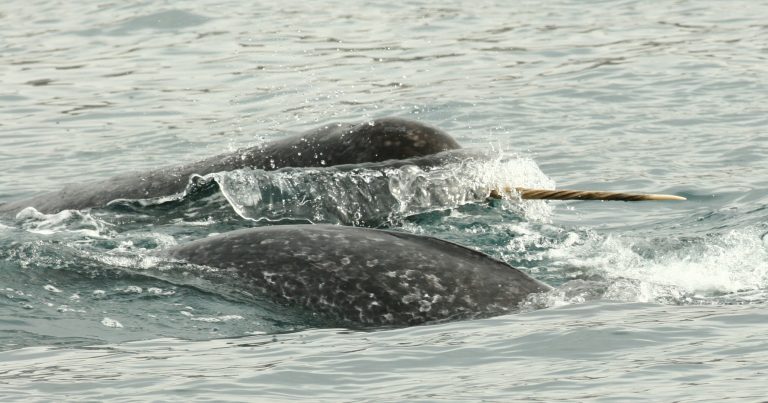
Narwhals. © Marie Auger-Méthé
The original plan was to deploy about 20 tags per year. And they had had some really great success the year before I came onto the project. Usually there’s about 3000 narwhal that are moving in and out of this area [Tremblay Sound], which was where the field work was being done. A lot of narwhals come through, pretty close to the shore and the individuals get caught in the nets, they’re pulled to shore, the tag is put on, and then they’re released. And this all happens within a span of 20, 30, 45 minutes.
The year that I came, they went down from about 3000 whales to only about 300. I think they only managed to deploy five tags. They ended up drastically downscaling the operations and the primary observational research was on how many narwhals are coming in and out, estimating the number of juveniles and adults and males and females, and then using drones, to survey populations and monitor behavior, as well as deploying hydrophones, which are acoustic microphones to record number of individuals. You can figure out different behaviours based on the types of sounds that they’re making. There are pretty clear signatures of when they’re searching for food and when they’re actively hunting for food, when they’re just socializing.
Tags: Arctic, IOF students, Marie Auger-Methe, narwhals, SERG, whales
Global seahorse conservation platform celebrates citizen science milestone
iSeahorse Celebrates 10,000 Observations: A Milestone for Community Science and Seahorse Conservation
iSeahorse.org, a global platform for seahorse science and conservation, developed by the University of British Columbia’s Project Seahorse research unit, has reached a significant milestone with 10,000 observations submitted by community scientists.
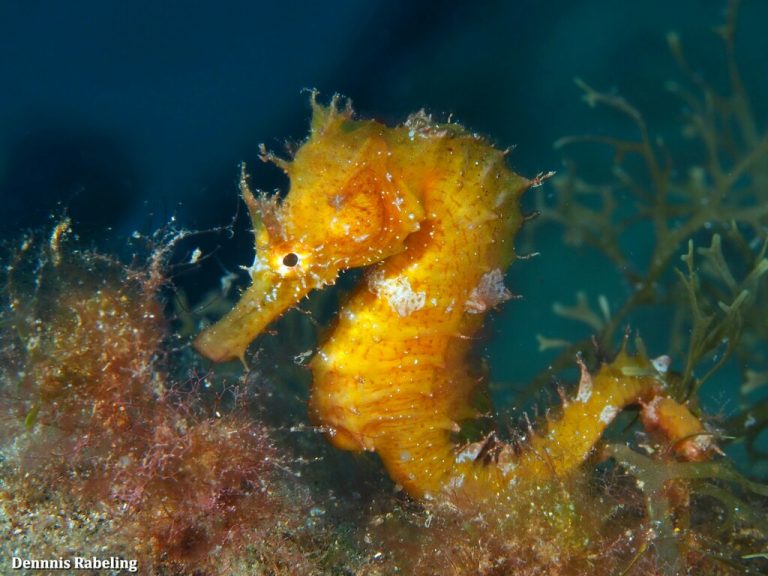
Short-snouted seahorse (Hippocampus hippocampus)
© Dennis Rabeling, some rights reserved (CC-BY-NC-ND)
iSeahorse, which was launched by Project Seahorse and powered by iNaturalist in October 2013, has built a strong community and alliance of community scientists, conservationists, experts, and enthusiasts. The platform aims to improve our understanding of seahorses, which are a critical part of marine ecosystems but are threatened by poorly managed fishing and habitat loss. Observations collected through iSeahorse are being used by Project Seahorse and its partners to improve knowledge of seahorses, their habitats, and their conservation status.
The 10,000 observations milestone is significant as it highlights the desire of individuals to contribute to collective conservation efforts, and advance both science and action. A new analysis of iSeahorse contributions has found that validated sightings extend the geographic ranges of eleven seahorse species, with implications for management and policy action. Additionally, the data collected by iSeahorse observations have already led to the creation of one new marine protected area (MPA) in the village of Anda, Bohol, Philippines, and the expansion of another MPA in the Philippines.
“We are thrilled to have reached this notable tally and grateful for the dedication and hard work of our community scientists,” said Dr. Sarah Foster, Program Leader of Project Seahorse. “A total of ten thousand contributions – and growing – indicates how much people care about seahorses and want to engage with them. As a Canadian, I’m delighted that iSeahorse has garnered rare sightings of the lined seahorse in Nova Scotia.”
iSeahorse provides a platform for individuals to learn about seahorses and their habitats and to connect with a community of like-minded individuals dedicated to protecting these animals. Given that the 46 seahorse species are found across most shallow coastal seas in temperate and tropical zones, it is not suprising that iSeahorse is truly global. So far, iSeahorse observations come from 97 countries, with one-third of reports covering sightings in Australia.
Since its inception, iSeahorse has been successful in improving our understanding of seahorses and the threats they face, ultimately contributing to their conservation. To date, iSeahorse has collected observations from more than 1,800 individual contributors, with 96 per cent of sightings from diving. The platform has enabled scientists from Project Seahorse and around the world to better understand species ranges, depth distribution, habitat use, and breeding season. Project Seahorse has used these data to mobilize governments, policymakers, and ocean advocates to care about seahorses and act on their behalf.
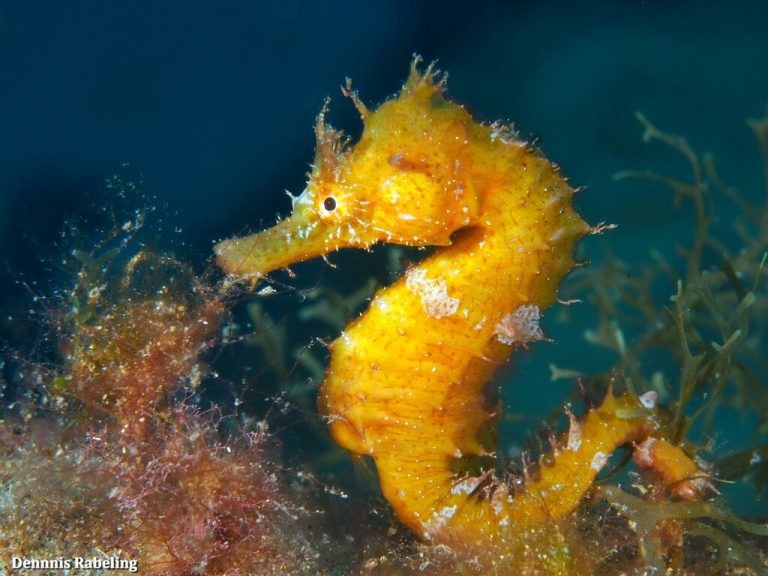
Short-snouted seahorse (Hippocampus hippocampus)
© Dennis Rabeling, some rights reserved (CC-BY-NC-ND)
The success of iSeahorse highlights the potential for community science to drive positive change in conservation efforts. By inviting individuals worldwide to contribute to scientific knowledge and conservation efforts, we can better protect seahorses and the marine ecosystems they call home.
“We congratulate Dennis Rabeling for submitting the 10,000th observation and thank all our contributors for their tremendous contributions to iSeahorse,” said Dr. Amanda Vincent, Director of Project Seahorse and Chair of the IUCN SSC Seahorse, Pipefish and Seadragon Specialist Group. “We love engaging with community scientists and expanding the network of seahorse experts and enthusiasts. Collectively, we can and do power research and conservation to protect these quirky fishes and their ocean homes.”
To learn more about iSeahorse and how to get involved in seahorse conservation, visit the websites at iSeahorse.org and ProjectSeahorse.org.
This work was supported by Guylian Belgian Chocolates, iNaturalist, John G. Shedd Aquarium, Sea of Change Foundation, Synchronicity Earth, Taiwan Forestry Bureau, and Whitley Fund for Nature.
Tags: Amanda Vincent, citizen science, conservation, faculty, IOF Research Associates, iSeahorse, IUCN, Project Seahorse, Sarah Foster, seahorses
Paper Park Index helps identify 55 unprotected marine protected areas
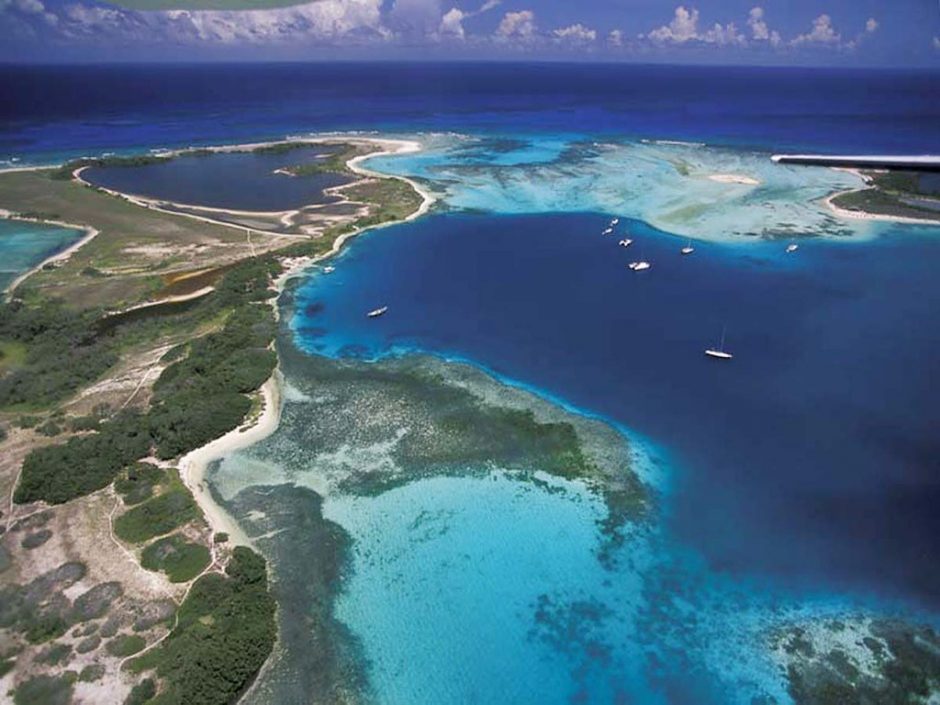
Los Roques National Park in Venezuela. Photo by …your local connection, Flickr
Most of the ‘paper parks’ – or MPAs that fall short of safeguarding marine biodiversity – are located in Latin America and the Caribbean. Countries such as Venezuela topped the list with more than one national park allowing unregulated fisheries in restricted zones. Southeast Asia and Oceania, and the Indian Ocean are also regions where marine protected areas fail to fulfill their objectives.
“Due to the growing number of MPAs and the expansion of unrealistic and idealistic conservation targets, we believe that more transparent information on the actual protection that they provide to marine ecosystems is necessary,” said Veronica Relano, lead author of the Marine Policy article that presents the new index. “This is why we developed the PPI, which exposes the disconnect between official protection status on paper and the perception of fishing intensity reported by different local stakeholders for the 184 marine protected areas we assessed.”
To develop the index, Relano and co-author Daniel Pauly, principal investigator of the Sea Around Us at UBC’s Institute for the Oceans and Fisheries, polled over 3000 people considered stakeholders within their MPA sample, which included at least one marine protected area for each coastal country in the world.
Fishers, NGO staffers, civil servants, academics and journalists were emailed a single-question questionnaire that asked them to rate the level of fishing they thought occurred in a specific MPA in their country’s waters. The average answer for each MPA, which ranged between 1, or ‘no fishing,’ 2, or ‘light fishing,’ 3, or ‘moderate fishing,’ and 4, or ‘very intense fishing,’ was later on matched with the International Union for Conservation of Nature’s (IUCN) categories for MPAs, which span from strictly protected areas to parks where conservation objectives are pursued in parallel to other human uses.
“In other words, the Paper Park Index is the difference between the average fishing intensity indicated in the responses to our questionnaire and the IUCN category level. We also compared our results to the level of protection listed in the Marine Protection Atlas,” Pauly said. “For example, if most respondents indicated ‘moderate’ or ‘very intense fishing’ for an MPA officially designated as ‘no-take,’ we might be dealing with a potential ‘paper park’ or a misfunctioning MPA that is at risk of being a ‘paper park,’ depending on the PPI scale.”
The authors noted that there are no other MPA databases that consider local stakeholders’ knowledge in their assessment of protection levels. “This needs to change. Our research shows how considering local perceptions could help to differentiate de facto MPAs from paper parks,” Relano said.
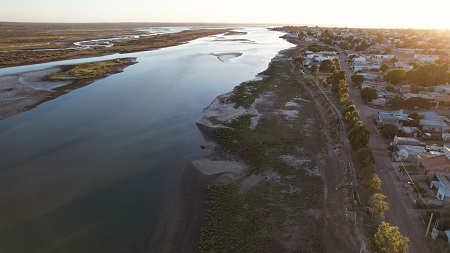
The San Antonio Bay marine protected area in Argentina is among those experiencing several environmental problems. Photo by SOS Somos OceanoS Project and Water Science Policy.
“This study serves as a useful entry point for further investigation into how much and in which way our oceans are protected,” Pauly said. “Future research should match our results with quantitative fisheries data to either support the findings or aid the identification of blind spots in official fishery statistics.”
“The ‘Paper Park Index’: Evaluating Marine Protected Area effectiveness through a global study of stakeholder perceptions” appeared this week in Marine Policy doi: https://doi.org/10.1016/j.marpol.2023.105571
Tags: conservation, Daniel Pauly, fishing practices, Marine protected areas, Sea Around Us
International Day for the Elimination of Racial Discrimination
On March 21, the International Day for the Elimination of Racial Discrimination is observed annually. The 2023 theme of the International Day is: urgently combatting racism and racial discrimination. The Universal Declaration of Human Rights says that everyone is entitled to all rights and freedoms without distinction of any kind, such as race and colour. However, racism and racial discrimination continue to impact people around the world.
In an effort to highlight some of our great researchers at the IOF, we sat down with Dr. Daniel Pauly and Dr. Rashid Sumaila to talk about their unique life experiences and careers thus far.
Dr. Daniel Pauly
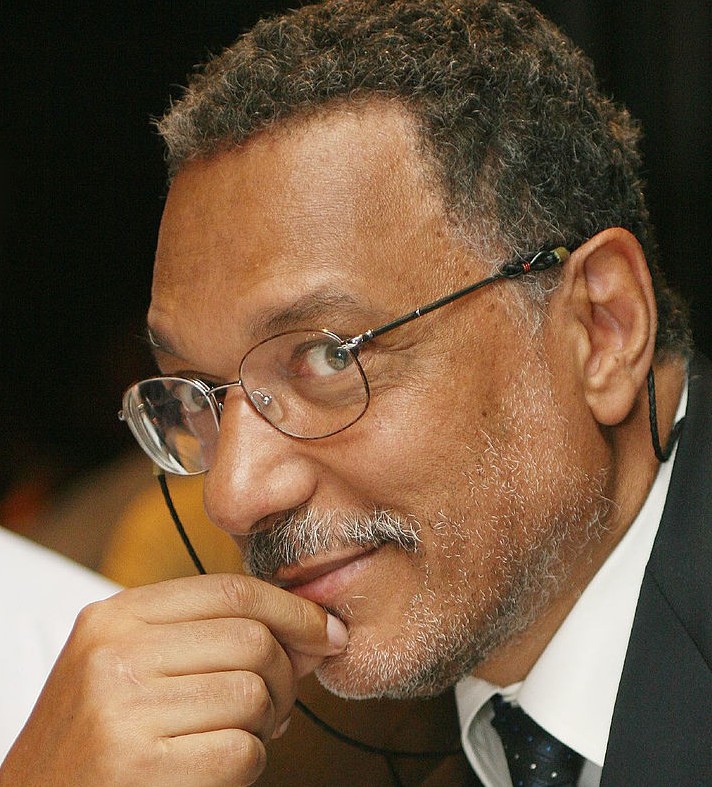
Dr. Daniel Pauly
How do you, if you do, engage with the struggle against racial discrimination?
[With my family] we haven’t really internalized the racist thing – for the most part, we have been able to reject all of that, but there is a little bit of privilege there. Life can be very difficult if you work and live in a different place. I don’t engage with racism because I would be wasting my time.
In the last couple of years, however, looking at what’s happening in America, I have been forced to revise a little bit. I basically accepted that I could do more. And so, that’s why we are having this interview.
You have mentioned beforehand that, growing up, you didn’t feel like you fit in. Do you feel like that has changed at all? Do you feel like you fit in?
When I grew up in Switzerland, I was the only person of colour in town. And in Germany, it was not that different. At the time, they weren’t very multicultural. This has not changed. And while I was made to feel uncomfortable, I did not experience direct violent racism. In Canada, people don’t really ask me those kinds of questions. Yeah, they might ask, but it’s a genuine curiosity. They don’t ask you in terms of how you don’t belong, which was the case when I was younger.
And I know, young people now want an answer to that question, but [growing up] if I had given lots of attention to this question, I would have had no time to do research.
How does your research take into consideration minorities?
Some of my work has something to do with equity and access to information, but it doesn’t concern the minority, it concerns the majority.
The majority of people live in the Global South. And the majority of people in the Global South that don’t have access to information about the ocean, actually work by the ocean. A majority of people on earth are actually brown people, and they will be considered minorities in most Western countries. We are not a minority.
So, my concern has always been how to establish a balance between the Global North and Global South in terms of information and the potential for doing things to empower colleagues in the Global South. So, I have not researched specifically with minorities in rich countries, but I have dealt with the question.
I cannot singlehandedly re-establish a balance that colonialism and history has knocked down, but in my field, the way I’ve chosen to re-establish some equilibrium, is to make information available on a global basis.
So, with Sea Around Us, we devote to each country, whether it’s small or large, the same attention on one page. In other words, whether you are a small Pacific Island country or a big country in Europe, or North America, you get one page to present. And we get the same level of depth.
And this leads, obviously, to a situation where we are a little bit superficial with regard to the countries that have lots of information available, but then again, it’s not made for them. We provide information for Global South countries that don’t even know they have information on. This is because lots of the research that includes them is not made available to them. This is because experts come from a Global North country and publish in an expensive journal that is difficult to access. and this information is not sent back.
Dr. Rashid Sumaila
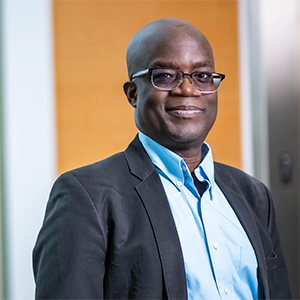
Dr. Rashid Sumaila
When you started your fisheries work, did you find the work environment very inclusive and diverse?
My economics professor who I studied with in Norway came up to me and said that we should work together, that he had a project about fisheries. And he said: “I tell you, if you agree to do this, you will never regret it.” When I asked why, he said: “Because you know, we are embarrassed. We go everywhere, and in every meeting, we are talking to white males. And so, you will never regret it. There are so few other people in the profession.”
And so I took the project, and started shaking things around.
Do you talk about race in the classes you teach?
Yeah, I think mostly, I don’t talk much about it. Not in class, I mean, but it clearly informs what I do in class personally, what my own commitment to everybody is. I try to be fair to everybody, put everybody on the same level. In my class, I kind of even out of the playing field for every student. I do my best to make sure everybody gets a chance. That is how I show it.
Your paper about an equitable Blue Economy has been recently published. How is your work informed by diversity, inclusion, and equity?
In terms of my future work, it really shows up. I will go to a conference, and it’ll be about global issues. And they will have North America, Europe, Australia, even a country as small as New Zealand, but you don’t see Africa, and most of Asia, Latin America nobody talks about.
And they’ll make excuses like “no, there’s no data.” There is data. People are fishing, people are eating fish. So, there has to be a way to estimate what’s happening. When you think of West Africa, Southeast Asia, any coastal people, they all depend on fish. So, in my work, I’m stressing scall scale fisheries, women and fisheries, the youth. Not just the big boats with the big guys doing their thing.
Often, in small coastal communities, fishing rights are being bought up. So, people, they don’t see the dollars and their fish is taken away. All these things, I try to highlight in my work. We did one graph which shows that with climate change, the fish are moving away from countries in the tropics. However, when you look at emissions per capita, these countries are very low. We highlight all these things in order to make people sit up, and pay attention.
For a prosperous Blue Economy, everyone must be involved
Women and marginalized groups must be a part of decision-making processes in a Blue Economy
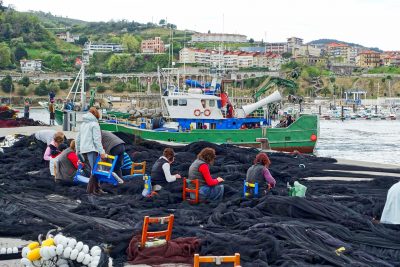
Image by Siggy Nowak from Pixabay
“This paper is a wake-up call for all parties in a Blue Economy to emphasize the importance of diversity, equity, inclusion, and to avoid the historical errors we made in other economies,” said Ilyass Dahmouni, co-author and postdoctoral fellow in the Fisheries Economics Research Unit at the University of British Columbia’s Institute for the Oceans and Fisheries. “We have made some mistakes. We don’t need to make them again now. We have to listen to when people talk.”
Ocean economies are projected to expand faster than the world economy from 2010 to 2030, and estimated to contribute about $100 billion per year to costal and island nation economies. The Blue Economy is a new way of recognizing the connections between oceans, people’s livelihoods, and the economy with a focus on using of marine resources fairly.
However, the Blue Economy is still contributing to social inequalities and inequities. Predominantly Black and Indigenous fisheries are at a much higher risk of suffering due to climate change, with these issues causing a great deal of stress among Black, Indigenous, and marginalized communities generally. Here in Canada, there is a historical and ongoing legacy of colonialism that prevents Indigenous communities from having their rightful roles as rights-holders and managers of marine areas and resources, practicing their own laws and customs, and being a part of all decision-making processes.
“We strongly advocate for capacity building for under-represented peoples to develop competencies and skills necessary for effective and efficient participation in the Blue Economy,” said Ibrahim Issifu, lead author and postdoctoral research fellow in the Fisheries Economic Research Unit at the Institute for the Oceans and Fisheries.
“We suggest accessible training, and other capacity building activities for marginalized groups to enhance their capacity to create and install renewable energy systems and technologies.”
Currently, most ocean resources are in the hands of a small group of transnational corporations who control large market shares of the sales of marine products and/or services. None of the headquarters of the corporations are in any of the top 5 countries with the highest population dependence on marine ecosystems in terms of nutrition, economic, and coastal protection.
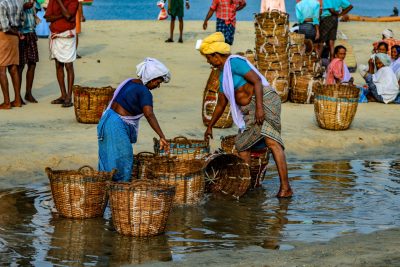
Image by Vassos Kyriacou from Pixabay
“The exclusion [of women] from the decision-making process, or least excluding their welfare from the process, is a big failure to the Blue Economy,” said Dahmouni. “They are being underrepresented and therefore, their voices are not being heard. This must stop if we truly believe in a resilient economy.”
“We need to include everyone, not only marginalized groups, but everyone together because that will result in positive spillover [everywhere],” said Dahmouni. “Fishers and coastal communities need to be at the heart of this process.”
The Blue Economy is a relatively young field with the term coming to light in 2012. Efforts need to repair the damage of economies previous while also looking to prevent harming anyone else. “[Transformation looks like] acting proactively in a productive manner,” said Dahmouni. “We need to move into making sure that every action improves something for everyone or at least, does not harm someone somewhere else.”
“Creating prosperous communities while eliminating social inequalities is already a pretty good start.”
“Diversity, equity, and inclusion in the Blue Economy: Why they matter and how do we achieve them?” was published in Frontiers of Marine Science.
Tags: Blue economy, capacity building, Equity and Diversity, FERU, fisheries economics, Ibrahim Issifu, Ilyass Dahmouni, IOF postdoctoral fellows, marginalized groups, Rashid Sumaila, Research, women
Jellyfish size might influence their nutritional value, UBC study finds
If jellyfish are 95 per cent water, what makes them such nutritious snacks for so many marine organisms?
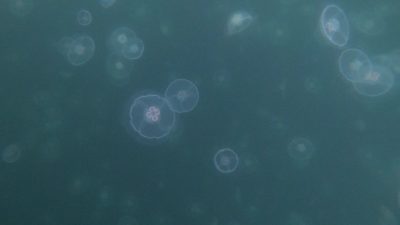
Moon jellyfish swarm – Heriot Bay, BC © Jessica Schaub
Drifting along in ocean currents, jellyfish can be both predator and prey. They eat almost anything they can capture, and follow the typical oceanic pattern of large eats small. Now a recent University of British Columbia study on these gelatinous globs suggests jellyfish may get more nutritious as they get bigger.
As jellyfish grow, their size changes largely due to the chances of prey encounter, the length and number of tentacles, and their bells (the umbrella-like part of them). As a result, smaller jellyfish eat phytoplankton, microzooplankton, and eggs, while larger jellyfish can eat all of that plus shrimp and even fish. However, jellyfish are also largely preyed upon by animals in and out of the water. Jellyfish are important prey because they are easy to digest due to their high water content, and they are easy to catch.
“Our study looked more closely to see if there was any information we could draw about nutrition in jellyfish,” said Jessica Schaub, a UBC PhD student at the Institute for the Oceans and Fisheries and the Department of Earth, Oceans and Atmospheric Sciences.
“This information helps us understand the true value of jellyfish as food. We looked at how the energy that moves through a food web might look as it moves through jellyfish. What they eat, what they are composed of, and how this might affect what eats them.” In Heriot Bay, B.C., for example, the moon jelly may often find themselves being eaten by other jellyfish, fish and other invertebrates.
Schaub, and her team, which includes associate professor Dr. Brian Hunt, who heads the Pelagic Ecosystem Lab at the Institute for the Oceans and Fisheries, took a look at how jellyfish size, diet and nutritional quality all mesh together. Nutritional quality can reflect an organism’s life history — the composition of a jellyfish can change in response to individual changes in diet and physiological changes.
The team, over two one-day periods in July and September 2019, collected 150 moon jellyfish and measured their size. After drying them, they measured the jellyfish for specific compositional elements.
Schaub described what they discovered.
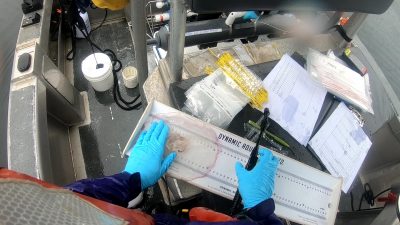
Measuring the jellyfish © Jessica Schaub
“This means bigger jellyfish might be considered more nutritious,” said Schaub.
The study found size-trends which emphasize just how important it is to consider jellyfish size when we are talking about marine food webs. Including these creatures will not only help their representation in food web models, but can also inform other studies.
Looking towards the future, Schaub described what may come next.
“Our recommendation for future studies on jellyfish predators is to consider size more thoroughly. Feeding on a young, small jellyfish is different than feeding on a larger and older jellyfish.”
Size-based changes in trophic ecology and nutritional quality of moon jellyfish (Aurelia labiata) was published in Ecosphere.
Tags: Brian Hunt, British Columbia, faculty, food webs, IOF students, jellyfish, marine ecosystems, Pelagic Ecosystems Lab, Research