|
University Killam Professor
Sea Around Us; Institute for the Oceans and Fisheries & Department of Zoology
Research Unit
Sea Around Us |
Contact Information
Email: d.pauly@oceans.ubc.ca
Office phone: (604) 822-1201
Website: Sea Around Us
Office location: Institute for the Oceans and Fisheries
2202 Main Mall
Vancouver, British Columbia
Social Media
LinkedIn: @Sea Around Us
Bluesky: @seaaroundus.org
Instagram: @theseaaroundus
FaceBook: @sea.aroundus.
YouTube: @seaaroundus9877
Twitter: @Sea Around Us
Biography
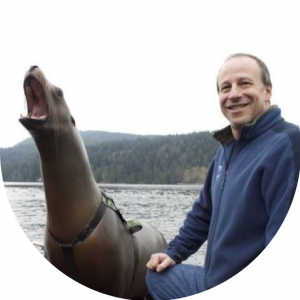
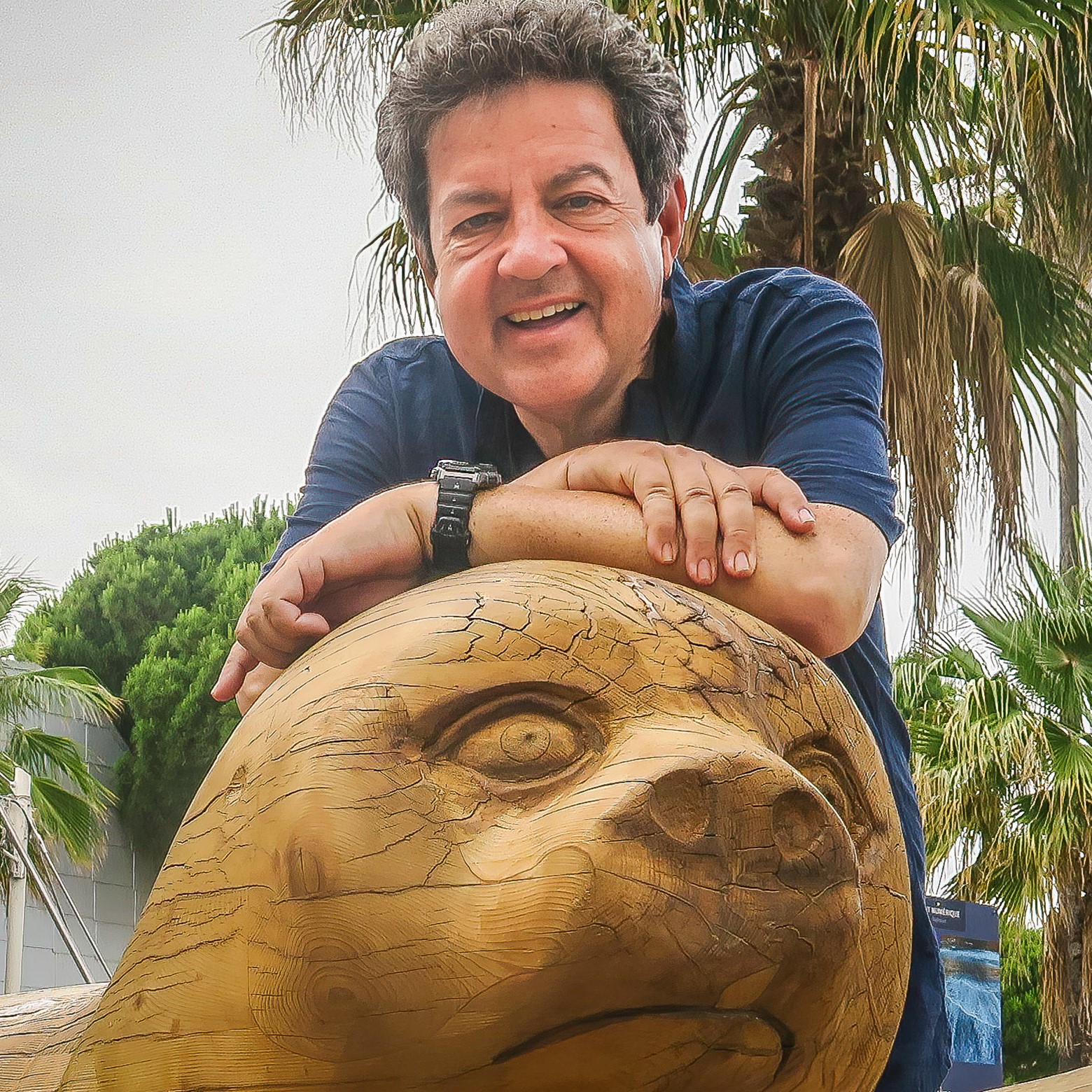
Dr. Daniel Pauly is the Sea Around Us Principal Investigator and Killam Professor at the University of British Columbia’s Institute for the Oceans and Fisheries.
He is a French-Canadian citizen who completed his high school and university studies in Germany. His doctorate (1979) and habilitation (1985) are in Fisheries Biology, from the University of Kiel.
He did his first intercontinental travel in 1971 (from Germany to Ghana for field work related to his Masters) and has since experienced a multitude of countries, cultures, and modes of exploiting aquatic ecosystems in Africa, Asia, Oceania and the Americas. This perspective allowed him to develop tools for managing data-sparse fisheries.
Through the 1980s and early 1990s, Daniel Pauly worked at the International Center for Living Aquatic Resources Management (ICLARM), in Manila, Philippines. In 1994, he became a Professor at the Fisheries Centre of the University of British Columbia, Vancouver, Canada, of which he was the Director for five years (Nov. ’03-Oct. ’08). Since 1999, he is also Principal Investigator of the Sea Around Us Project (see www.seaaroundus.org), funded for 15 years by the Pew Charitable Trusts and devoted to studying, documenting and promoting policies to mitigate the impact of fisheries on the world’s marine ecosystems (see AMBIO, 34: 290-295, 2007).
The concepts, methods and software that Daniel Pauly co-developed, documented in over 1000 scientific and general-interest publications, are used throughout the world, not least as a result of his teaching a multitude of courses, and supervising students in four languages on five continents. This applies especially to the Ecopath modeling approach and software (www.ecopath.org) and FishBase, the online encyclopedia of more than 30,000 fish species (www.fishbase.org), the latter recently complemented by SeaLifeBase (www.sealifebase.org).
Two books, reflecting his current interests were published in 2010: Five Easy Pieces: Reporting on the Global Impact of Fisheries and Gasping Fish and Panting Squids: Oxygen, Temperature and the Growth of Water-Breathing Animals. In January 2016, with Dirk Zeller, he published an article titled “Catch reconstruction reveal that global marine fisheries catches are higher than reported and declining” (DOI: 10.1038/ncomms10244), a summary of what later appeared in the Global Atlas of Marine Fisheries, concluding a decade-long activity of the Sea Around Us.
Daniel Pauly’s body of work has been recognized in various profiles, notably in Science (Apr. ’02); Nature (Jan. ’03); The New York Times (Jan. ’03), in developing countries, and by numerous awards, among them honorary doctorates from four universities, being elected a Fellow of the Royal Society of Canada (Academy of Science; ‘03) and awarded the Sir John William Dawson Medal (‘17); receiving the Award of Excellence of the American Fisheries Society (‘04); the International Cosmos Prize, Japan (‘05), the Volvo Environmental Prize, Sweden (‘06), the Excellence in Ecology Prize, Germany (‘07), the Ramon Margalef Prize in Ecology, Spain (‘08), an Ocean Award in the Science category (‘16); the BBVA Foundation Frontiers of Knowledge Award in Ecology and Conservation Biology (‘19), the Beverton Medal by the Fisheries Society of the British Isles (‘21), the Tyler Prize for Environmental Achievement (‘23), among others. Daniel was also knighted as Chevalier de la Légion D’Honneur (’17) by the French government on Bastille Day.
Full Biography
Curriculum Vitae
Research Interests
Gill-Oxygen Limitation Theory, Ichthyology, Fisheries Management, Aquatic Ecosystems
Profiles
Dr. Pauly has authored or co-authored over 1000 scientific articles, book chapters and shorter contributions, and authored, or (co-)edited about 30 books and reports.
Presentation by Dr. Pauly on TED The Ocean’s Shifting Baselines (February 2012)
Shifting Baselines – Interview with Daniel Pauly (accompanying TED Talk)
Teaching
BIOL 445: Darwin’s Fishes
Degrees
Dr. rer. nat. and Habilitation (Germany)
Publications
Pauly, D. and J. Müller. 2026. Breathing water in a warming world: Principles and Applications of the Gill-Oxygen Limitation Theory. Sidestone Press. https://doi.org/10.59641/k3n9h0i1j2
Pauly, D. and D. Zeller. (Editors). 2016. Global Atlas of Marine Fisheries: A critical appraisal of catches and ecosystem impacts. Island Press, Washington D.C., 486 p.
Pauly, D. and D. Zeller. 2016. Catch reconstructions reveal that global marine fisheries catches are higher than reported and declining. Nature Communications, doi: 10.1038/ncomms10244, 9 p.
Pauly, D. 2010. Five Easy Pieces: How Fishing Impacts Marine Ecosystems. Island Press, Washington, D.C., xii + 193 p.
Pauly, D. 2010. Gasping Fish and Panting Squids: Oxygen, Temperature and the Growth of Water-Breathing Animals. Excellence in Ecology (22), International Ecology Institute, Oldendorf/Luhe, Germany, xxviii + 216 p.
Related stories:
The application period for the program opened on July 15, 2026 and will close on September 30, 2026.
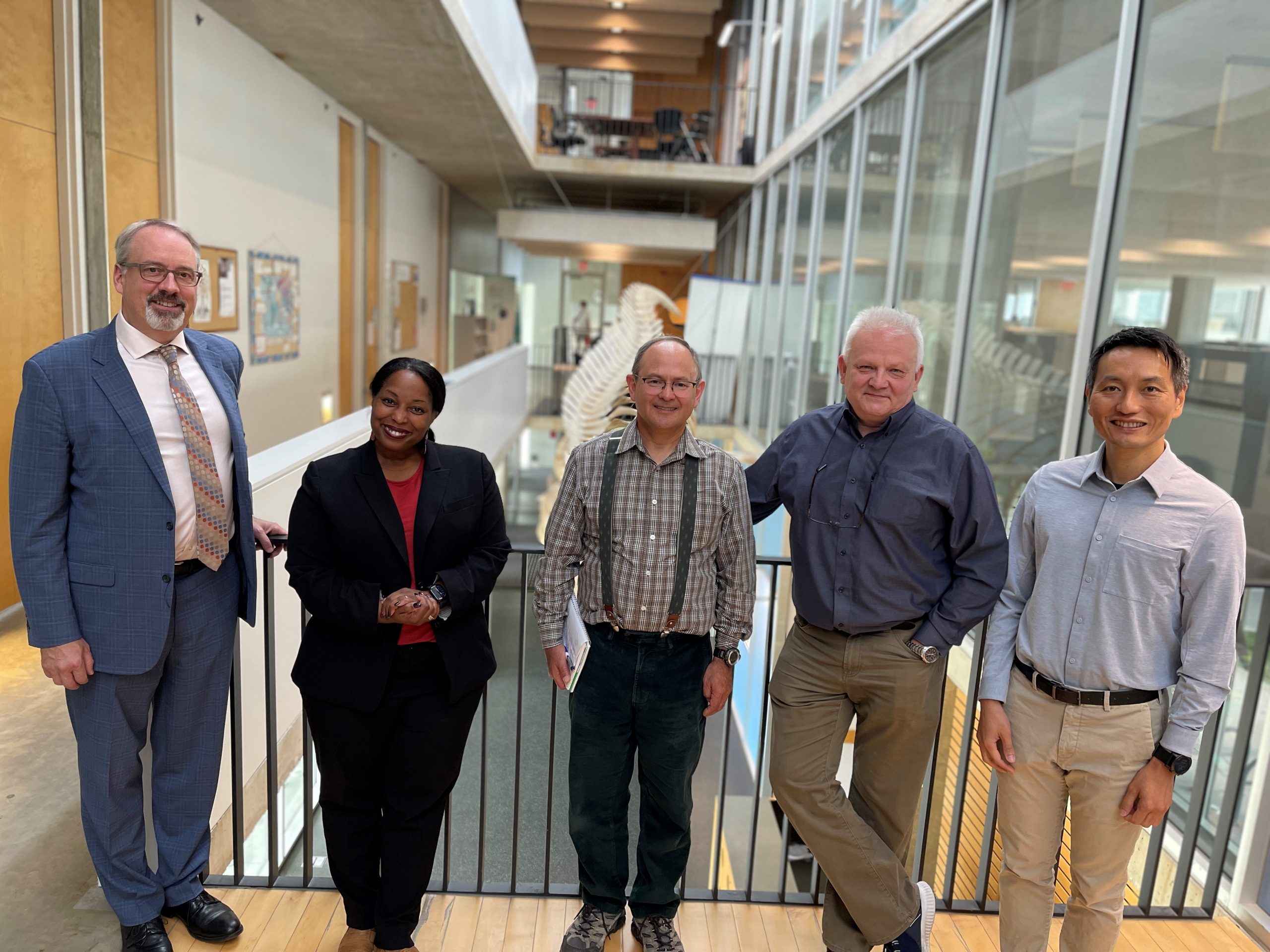
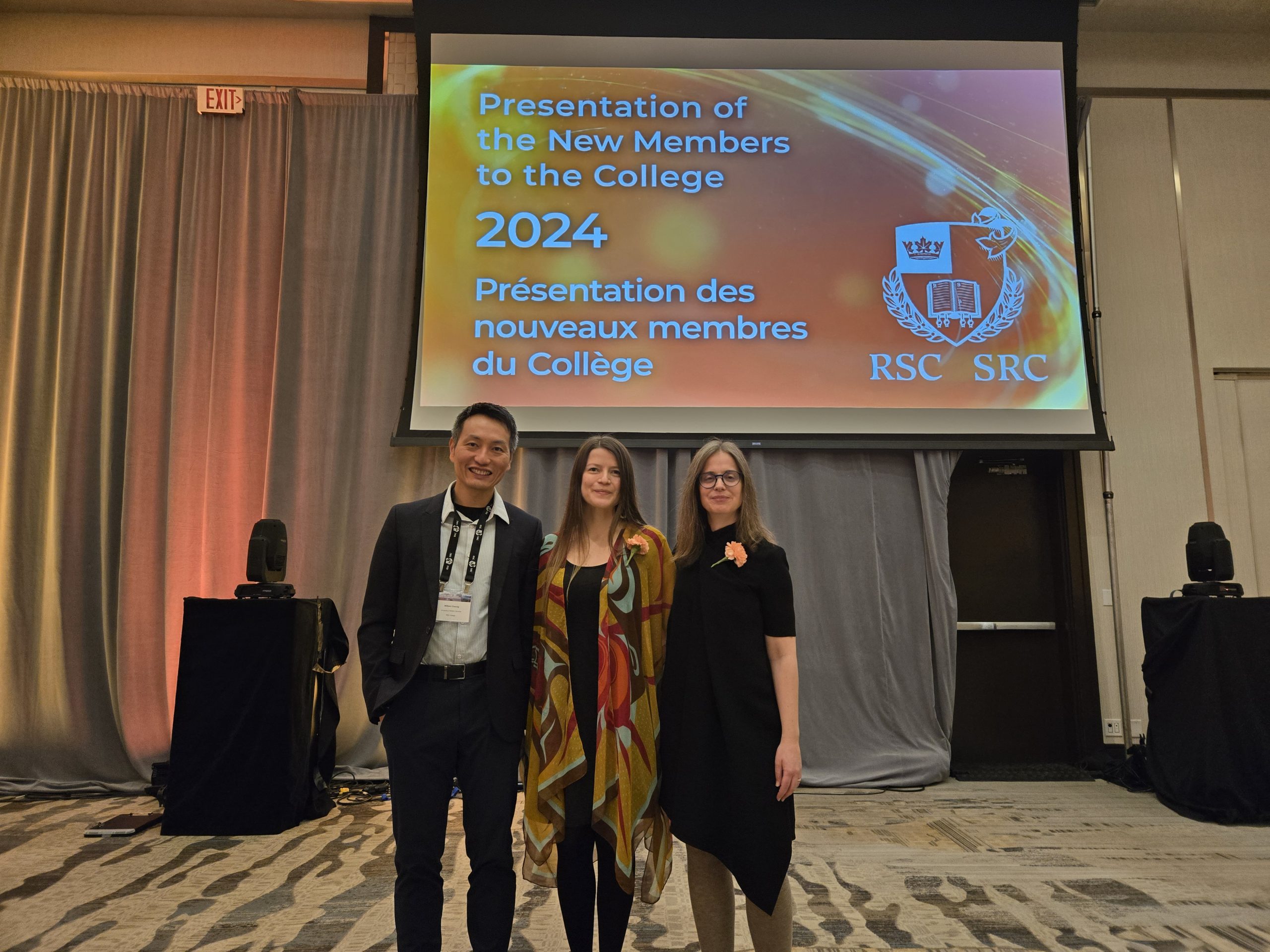
Drs. Daniel Pauly, Hwsyun’yun Skye Augustine, Meaghan Efford, Camilla Speller, and student Max Miner attended.
Congratulations to laureates: Dr. Rael Adhiambo (Kenya) and Dr. Ahmad Muhammad Talba (Nigeria)
In Breathing Water in a Warming World not only explain the effects of climate warming on water-breathing animals, but also explores the theoretical foundation that allows for a more comprehensive understanding of the eco-physiological processes that shape underwater life.
This report exemplifies the kind of integrative, critical scholarship that the Institute for the Oceans and Fisheries support.
In honour of World Ocean Day, we present OCEAN IDIOMS!
Data from 33 fish species further supports the argument that small differences between fish’s oxygen consumption increase and gill surface area growth do not invalidate the principles of the Gill Oxygen Limitation Theory (GOLT).
UBC was ranked 21 in the Global Overall Academic Institutional Rankings, and 25 for the past five years. In the specialties area, it ranked 1 for ecosystem, fishing, fish physiology, and marine ecosystems.
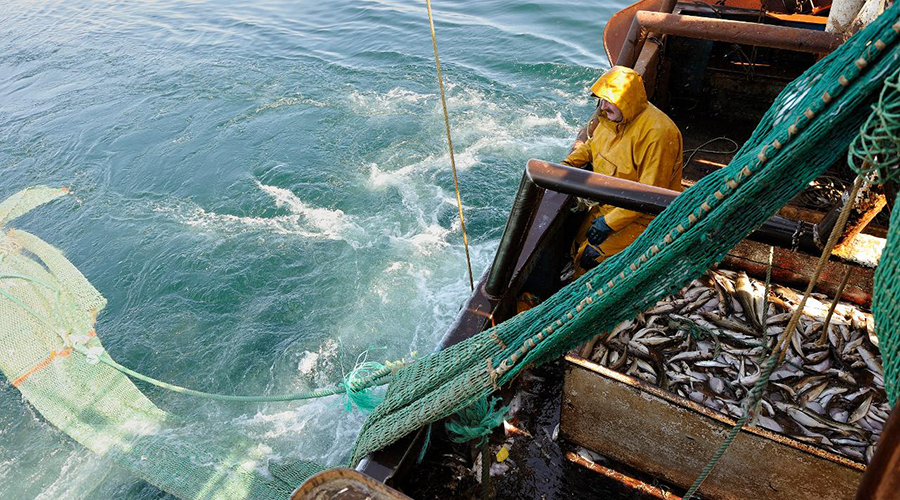
The 4 billion tonnes of marine organisms that global fisheries extracted from the ocean between 1960 and 2018 resulted in the depletion of over 560 million tonnes of essential nutrients vital to ecosystem health.
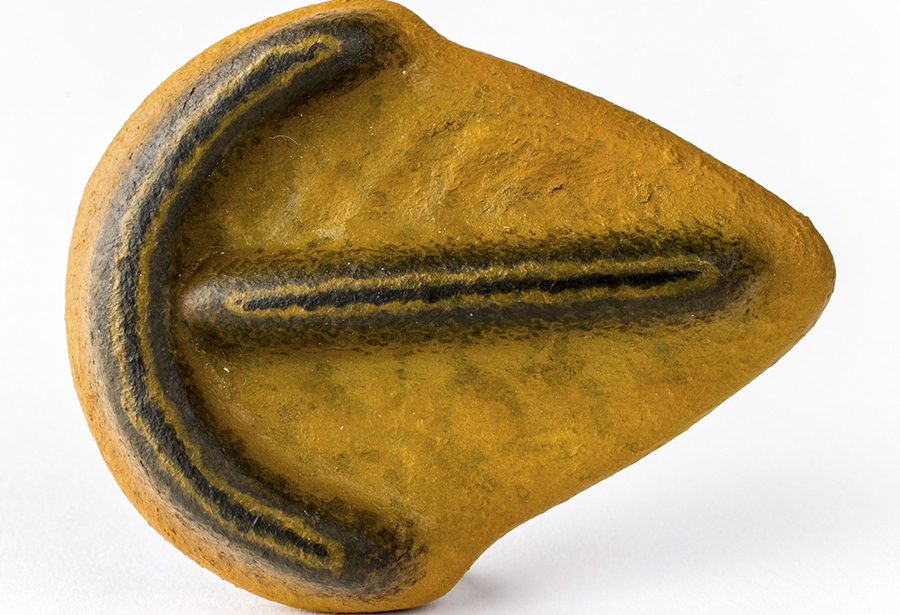
New research shows that the growth and lifespan of Parvancorina minchami, small anchor-shaped animals that lived on the seafloor about 550 million years ago, was about four years, that they could reach close to 20 millimetres in length, and that their pace of growth was similar to that of small recent invertebrate.