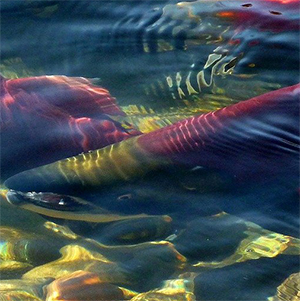
You are what you eat is as important for BC’s fish as it is for people – UBC study
By determining the availability of high-quality prey for these commercially important groups of fish we can improve estimates of herring and salmon productivity

Solidarity with all people protesting police violence in Canada and the US
The Institute for Oceans and Fisheries is proud to stand in solidarity with UBC’s Black Student Union and all people protesting police violence against Black people in Canada and the United States.
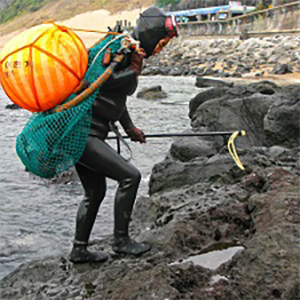
Fisherwomen contribute tonnes of fish, billions of dollars to global fisheries
UBC study assembled and presented the first quantitative estimates of catch by women and the associated value of what is brought to shore, on a global scale.

Ocean fish farming in tropics and sub-tropics most impacted by climate change: UBC study
Diners may soon find more farmed oysters and fewer Atlantic salmon on their plates as climate change warms Canada’s Pacific coast.
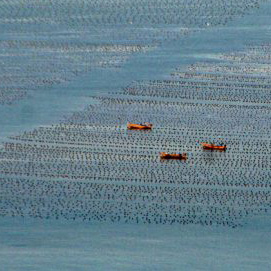
FCRR – Dynamic Integrated Marine Climate, Biodiversity, Fisheries, Aquaculture and Seafood Market Model (DIVERSE)
This report documents a newly developed model to project future pathways to seafood sustainability under global change.
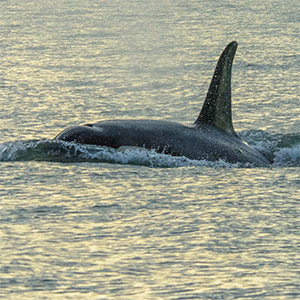
Aerial drones offer new perspective on resident killer whale behaviour
Scientists got a rare glimpse into the underwater behaviour of killer whales off the B.C. coast, with the help of aerial drones.
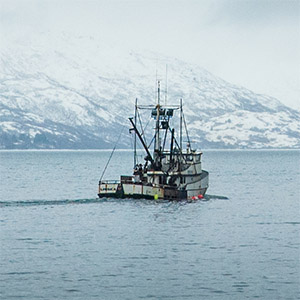
Rapidly changing Arctic fisheries potential requires comprehensive management
Unmitigated climate change could net fisheries in the Arctic 37 times more fish than current annual catch amounts by the end of the century
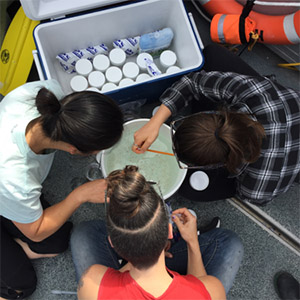
HCI Marine Food Webs – Summer sampling trip to Quadra Island
Hakai Coastal Initiative Marine Food Webs Working Group (FWWG) undertook a 10-day sampling trip which looked at day/night behaviour of bacteria, protists, zooplankton, and parasites in the Strait of Georgia.
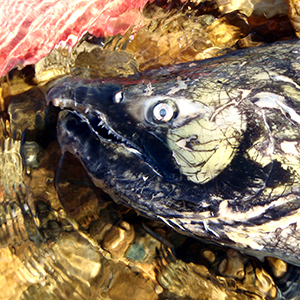
New viruses discovered in endangered wild Pacific salmon populations
All three are related to viruses that cause serious disease in other species.

Role of top predators in helping ecosystems adapt to climate change
Researchers found that when predators are not present in the ecosystem, the overall biomass and abundance of algae declined significantly with increasing temperature.