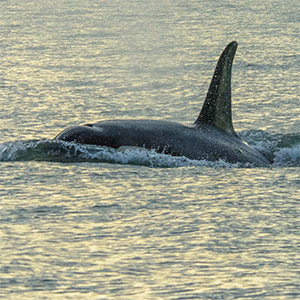
Aerial drones offer new perspective on resident killer whale behaviour
Scientists got a rare glimpse into the underwater behaviour of killer whales off the B.C. coast, with the help of aerial drones.
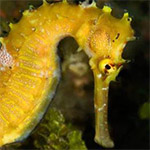
FCRR – The catch and trade of seahorses in the Philippines post-CITES
This Fisheries Centre Research Report was produced by Project Seahorse and the Zoological Society of London-Philippines, and carried out in collaboration with the Philippines Bureau of Fisheries and Aquatic Resources
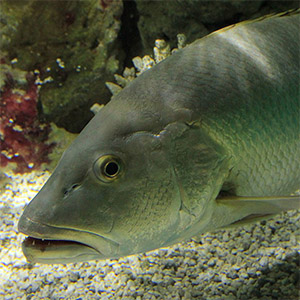
Theory explains biological reasons that force fish to move poleward as climate change heats up the ocean
Gill-Oxygen Limitation Theory, known as GOLT, explains the biological reasons that force fish to move poleward when the waters heat-up due to climate change

IUCN SSC Seahorse, Pipefish and Seadragon Specialist Group wins award
This specialist group is chaired by chaired by Dr. Amanda Vincent
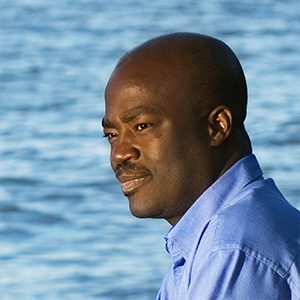
Co-creating a shared vision for Canada’s oceans
Dr. Rashid Sumaila recognized the need to understand and address the threats facing Canada’s Arctic, Atlantic and Pacific oceans and coastal regions and to develop a shared vision for their future
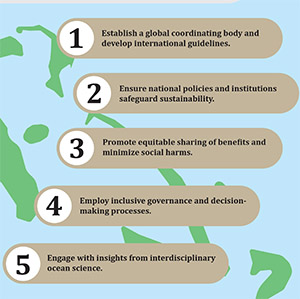
Achieving a safe and just future for the ocean economy
With economic potential of the oceans expected to double to US$3 trillion by 2030, growth should be effectively managed so that it is sustainable and equitable.
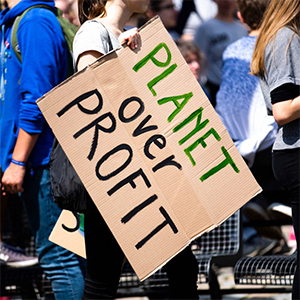
UBC experts share views on global action on climate change
IOF-related experts recommend the one policy action they would use to address the climate crisis
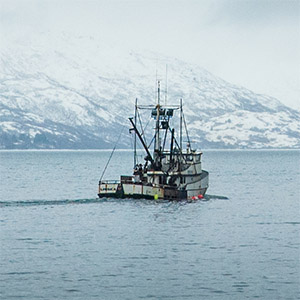
Rapidly changing Arctic fisheries potential requires comprehensive management
Unmitigated climate change could net fisheries in the Arctic 37 times more fish than current annual catch amounts by the end of the century
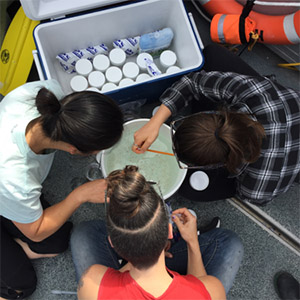
HCI Marine Food Webs – Summer sampling trip to Quadra Island
Hakai Coastal Initiative Marine Food Webs Working Group (FWWG) undertook a 10-day sampling trip which looked at day/night behaviour of bacteria, protists, zooplankton, and parasites in the Strait of Georgia.
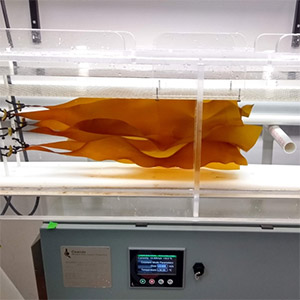
How climate-controlled growth flumes could help us explore unanswered questions about kelp and climate change
New equipment creates environmental conditions that mimic the projected future state of our oceans, allowing them play out “what if” scenarios for situations like climate change.