The University of British Columbia
UBC - A Place of Mind
The University of British Columbia Vancouver campus
Institute for the Oceans and Fisheries
  • Home Page
  • About
  • Our Values
  • People
    • Pets
    • Alumni
  • Research
  • Graduate Program
  • Courses
    • Non-Credit Courses
  • News & Events
    • News
    • Media Coverage
    • IOF Seminars
    • 10 Year Anniversary
    • Ocean Idioms
    • Events
  • IOF Intranet 🔒
  • SUPPORT IOF
/ Home / Research

Research

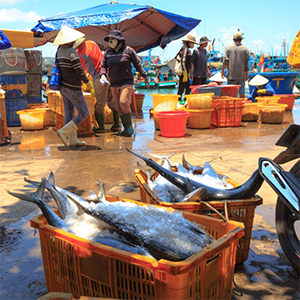
New Working Paper: A rich analysis of the economic, social and environmental effects of harmful fisheries at the ecosystem level

New Working Paper: A rich analysis of the economic, social and environmental effects of harmful fisheries at the ecosystem level

The effects of harmful fisheries subsidies in three marine ecosystems, chosen for their importance in terms of food security, size and diversity; and three different management scenarios are examined.
Posted in 2022, IOFNews | Tagged with climate change, faculty, fisheries economics, fisheries management, food security, food webs, IOF Research Associates, nutrition, pollution, Publications, Rashid Sumaila, Research, Vicky Lam, William Cheung, Zeyu Zeng

New Fisheries Centre Research Report (FCRR)

New Fisheries Centre Research Report (FCRR)

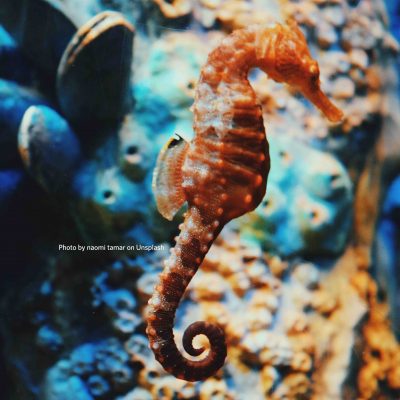
Implementing CITES Appendix II listings for marine fishes: a novel framework and a constructive analysis
Posted in 2022, IOFNews, News Release | Tagged with Amanda Vincent, CITES, faculty, FCRR, fish, IOF Research Associates, Project Seahorse, Publications, Research, Sarah Foster, seahorses, sharks

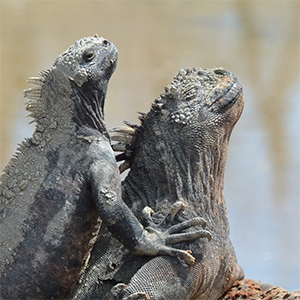
Nature, society, and culture should be taken into consideration when dealing with climate change

Nature, society, and culture should be taken into consideration when dealing with climate change

The Nature Futures Framework (NFF) can include Indigenous stakeholders, local expertise, and different knowledge systems in conversation efforts.
Posted in 2022, IOFNews, News Release | Tagged with biodiversity, climate change, conservation, Galápagos, IOF postdoctoral fellows, Juliano Palacios-Abrantes, natural science, Research, social sciences, tourism

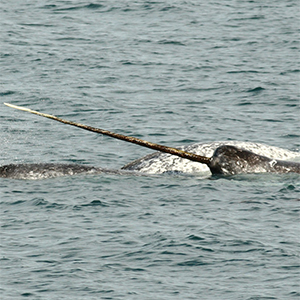
As sea ice retreats, narwhals are changing their migration patterns

As sea ice retreats, narwhals are changing their migration patterns

Climate change and loss of sea ice is creating stressors for these animals, and they are adapting to a new life in the Arctic.
Posted in 2022, IOFNews, News Release | Tagged with animal movement, Arctic, climate change, IOF postdoctoral fellows, Marie Auger-Methe, migration, narwhals, Research, SERG, whales

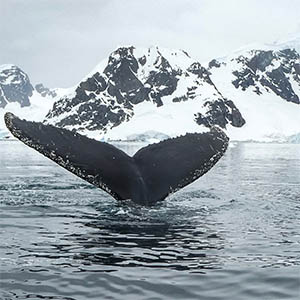
Researchers call for action to stop exploitation of Antarctic waters

Researchers call for action to stop exploitation of Antarctic waters

The critically important Southern Ocean is not being properly protected by its stewards, a distinguished group of scientists from around the globe have noted.
Posted in 2022, IOFNews, News Release | Tagged with Antarctic, Antarctica, faculty, fisheries management, humpback whales, IOF Research Associates, krill, Louise Teh, ocean governance, overfishing, Rashid Sumaila, Research, whales

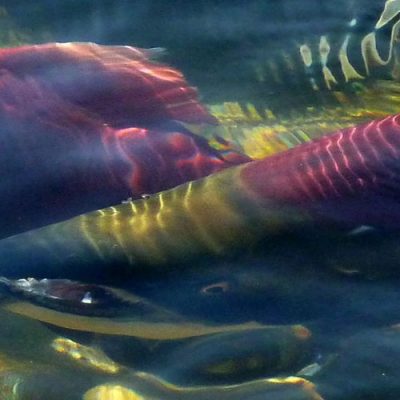
Food quality might be key for juvenile sockeye salmon growth and survival

Food quality might be key for juvenile sockeye salmon growth and survival

The quality of food sockeye salmon eat along their migration routes is more important to their growth and condition than quantity, a new study has found, highlighting concerns about the effects of climate change on ocean conditions and salmon.
Posted in 2022, IOFNews, News Release | Tagged with Brian Hunt, British Columbia, faculty, fish, IOF postdoctoral fellows, Jessica Garzke, Research, salmon, zooplankton

Expect shorter food chains in more productive coastal ecosystems

Expect shorter food chains in more productive coastal ecosystems

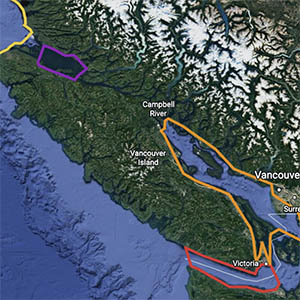
“We provided evidence for bottom-up omnivory in nutrient-rich temperate pelagic ecosystems, where food chain length is determined by the level of diatom production,” said Jacob Lerner. “This is very different from the global model for pelagic ecosystems.”
Posted in 2022, IOFNews, News Release | Tagged with biology, Brian Hunt, British Columbia, faculty, fish, food webs, IOF students, krill, Pelagic Ecosystems Lab, plankton, Research, salmon, zooplankton

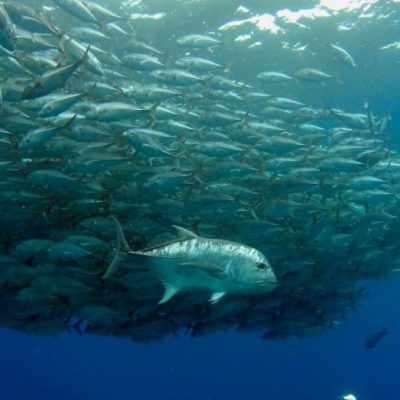
How do marine mammals make decisions about diving?

How do marine mammals make decisions about diving?

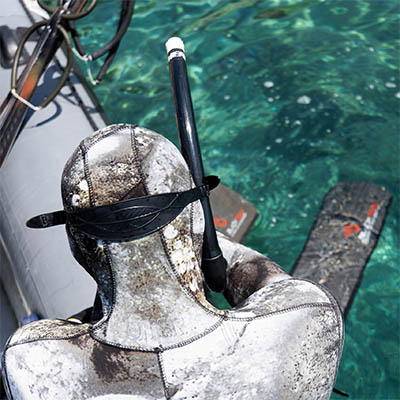
PhD candidate Rhea Storlund decided to take an unconventional approach to understand how marine mammals dive by asking human breath-hold divers about the decisions they make.
Posted in 2022, IOFNews, News Release | Tagged with IOF students, Marine Mammal Research Unit, marine mammals, Research

Global fish stocks can’t rebuild if nothing done to halt climate change and overfishing, new study suggests

Global fish stocks can’t rebuild if nothing done to halt climate change and overfishing, new study suggests

“We are at a turning point. What we need is a coordinated global effort to develop practical and equitable marine conservation measures to support effective biomass rebuilding under climate change,” said Dr. William Cheung

Posted in 2022, IOFNews, News Release | Tagged with climate change, Colette Wabnitz, CORU, faculty, fish stocks, fisheries management, IOF postdoctoral fellows, IOF Research Associates, Juliano Palacios-Abrantes, Research, William Cheung

BC is facing a steep decline in sockeye salmon

BC is facing a steep decline in sockeye salmon

The sockeye population has been in decline for a century – since 1913, returns in the Skeena River have dropped by 75% – and while there are many factors at play, says Dr. William Cheung, “climate change is definitely one of them.”

Posted in 2022, IOFNews, News Release | Tagged with British Columbia, Christopher Harley, CORU, ecosystems, faculty, Indigenous fisheries, Indigenous Knowledge, marine ecosystems, Research, salmon, seafood, shellfish, William Cheung

  • Previous
  • 1
  • …
  • 8
  • 9
  • 10
  • …
  • 25
  • Next
Institute for the Oceans and Fisheries
Faculty of Science
Vancouver Campus
The University of British Columbia
AERL, 2202 Main Mall
Vancouver, BC Canada V6T 1Z4
Tel 604 822 2731
Website oceans.ubc.ca
Email info@oceans.ubc.ca
Find us on
     
Back to top
The University of British Columbia
  • Emergency Procedures |
  • Terms of Use |
  • Copyright |
  • Accessibility