
WEBINAR: Subsidizing extinction: Subsidies, Sustainable Development Goals and the World Trade Organization
The video of this webinar is now available. Open this page to view.
Partnership between UBC researchers, marine stewards and K’ómoks First Nation spawns new microplastics findings
What they found helps illuminate the study of microplastics in the ocean, an area of pollution research that is garnering lots of attention due to the many unknowns about how these particles damage the health of organisms that ingest them.
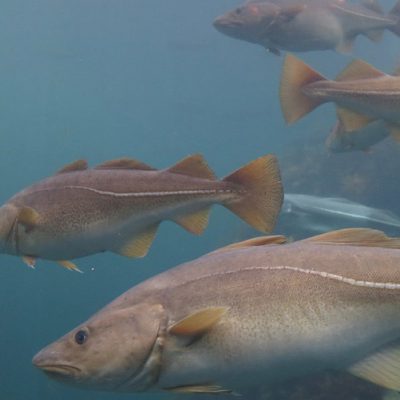
New model helps predict climate change-induced early spawning by fish
Fisheries managers and researchers may now predict how early fish will spawn in response to warming waters due to climate change, both in the oceans and in freshwaters.
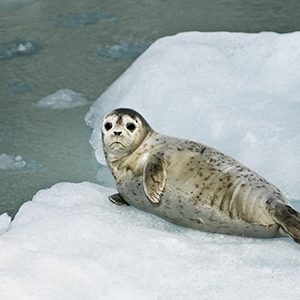
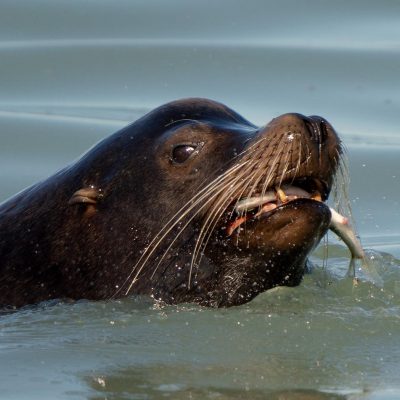
Long-term studies quantify the prey requirements of pinnipeds, and help predict the effects of nutritional stress
Two new studies by Dr. David Rosen answer the question: “How much fish does a seal need?”
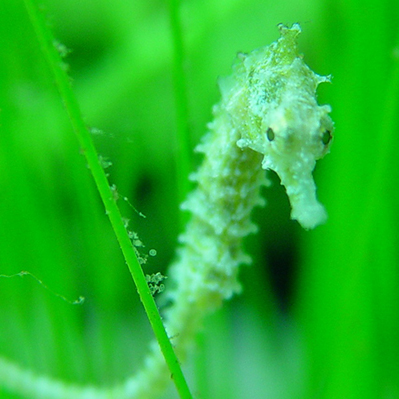
Changes in the international trade in live seahorses (Hippocampus spp.) after their listing on CITES Appendix II
This new Fisheries Centre Research Report (FCRR) investigates the international live trade in seahorses.
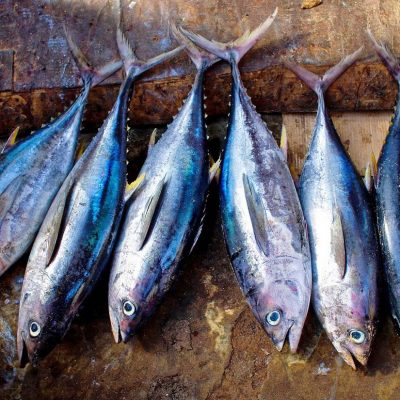
Estimating the biomass of commercially exploited fisheries stocks left in the ocean
This new Fisheries Centre Research Report (FCRR) presents the key results of a multi-year activity of the Sea Around Us devoted to assessing the status of marine fisheries globally.
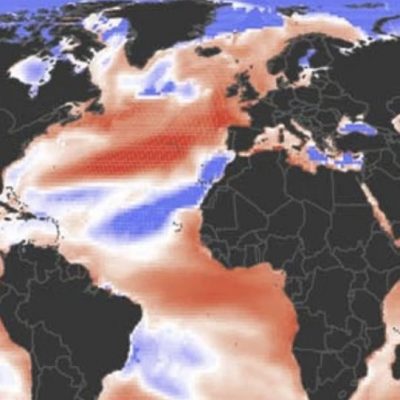
Massive “ensemble” climate modelling study includes work of multiple IOF researchers
The project used nine different computer models, created by different teams around the world, to illustrate with greater clarity and range how ocean life will be impacted by Earth’s warming climate.
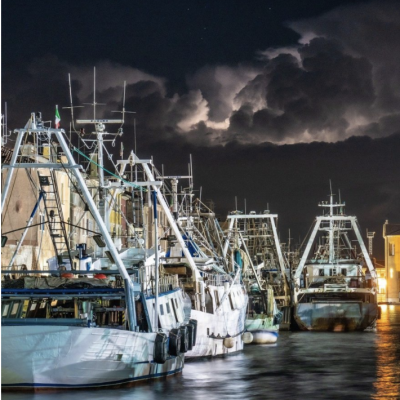
Nearly 300 scientists ask the WTO to ban harmful fisheries subsidies
The researchers feel the WTO could use their upcoming meeting to sign an agreement that forbids such harmful practices, while allowing for small-scale, sustainably managed wild fisheries.
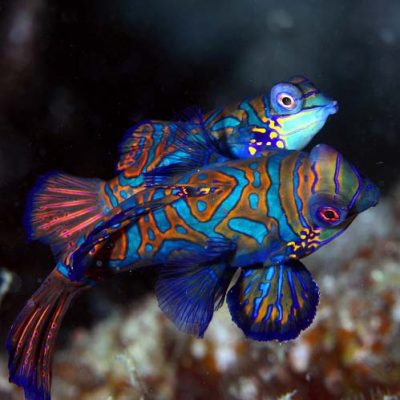
What really makes fish become sexually active
“What I think really makes fish spawn for the first time is the increasing oxygen stress that growing fish experience,” Daniel Pauly said
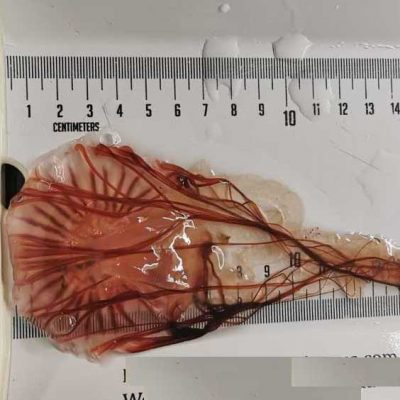
Shedding light on mysterious jellyfish diets
We think of jellyfish as not being picky eaters, but in this case, it seemed that they didn’t like feeding on a single diet.