
Aquaculture is shifting toward less sustainable species: new UBC study
Aquaculture relying on species that are less beneficial for food security, climate mitigation, and biodiversity
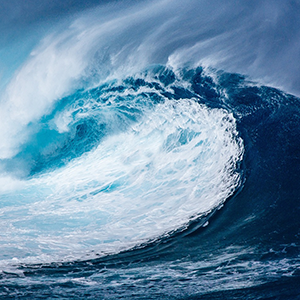
When the ocean loses its breath
Oxygen is invisible, but it quietly decides where marine life can live, how it behaves, and how productive ecosystems can be.

International Women in STEM Day at IOF: Science that Protects Oceans, Communities, and Futures
IOF is highlighting a few of the women across the Institute whose work shows what science looks like when it is built for impact.

Collectivizing Indigenous Knowledge: Reflections on the Taikura Tri-Academy Indigenous Summit
Centre for Indigenous Fisheries MSC student Kahsennarò:roks Deom attended the Taikura Tri-Academy Indigenous Summit in Aotearoa (New Zealand).

Not all waves are created equal
It was found that when elevated water levels and the right wave direction line up, inundation risk jumps. This is particularly true during El Niño, when regional sea level sits higher.

Coral Reef Survival: Depth, Marine Protected Areas, and Seascape Structure Are Key
Living corals are more likely to survive and thrive when found in deeper water, within Marine Protected Areas (MPAs), or in compact reef patches

Marine heatwaves quietly rewire ocean food webs
These bursts of extreme ocean heat are also reshaping the entire structure and function of marine food webs, with consequences that can last years after the water cools

‘Forever’ chemicals found in B.C. sea otters
UBC researchers have identified eight per- and polyfluoroalkyl substances (PFAS) in B.C. sea otters.

Student Profile: Emma Shuparski
Why did you choose to study at IOF? I have been working for the non-profit Cetus Research and Conservation Society for the past several years, studying cetacean-vessel interactions in the Discovery Islands. I knew I wanted to advance my degree and connect my work with Cetus to the cutting-edge research happening at IOF. It is […]
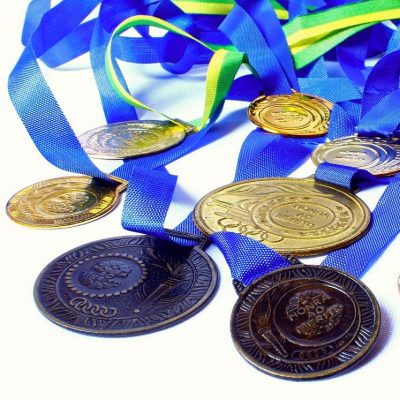
Winners of the IOF student awards/scholarships
Congratulations to Tatiana Chamorro, Deniz Coskuner, Jullia Mayer, Grace Melchers, Stephanie Moore, and Samara Polwatta