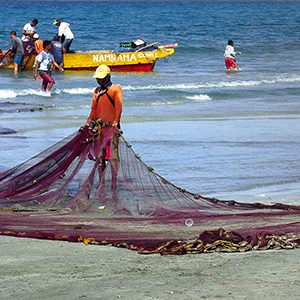
New World Wildlife Fund reports call for better policy to save fish from climate change
IOF’s Drs. Juan Jose Alava and William Cheung contributed to two WWF reports.
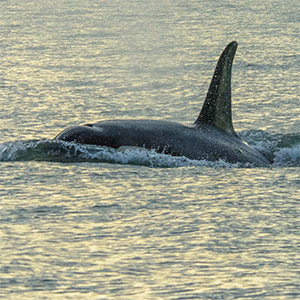
New footage gives whale’s-eye view of northern and southern resident orcas
UBC and Hakai Institute researchers have just returned from a 30-day research trip in the northern and southern waters of Vancouver Island, where they gathered stunning new aerial and underwater footage of northern and southern resident killer whales that offers an unparalleled glimpse into the underwater lives of these whales. The research is part of […]
Swimming with the pod
For the past two weeks, Marine Mammal Research Unit (MMRU) researchers led by Dr. Andrew
Trites have been studying the feeding behaviours of northern resident killer whales.
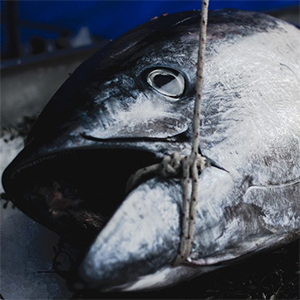
Popular fish species disappear from Turkey’s Marmara and Black Seas
Bluefin tuna, swordfish and Atlantic mackerel are among the fish species considered commercially extinct or extirpated on the Turkish side of the Marmara and Black Seas.
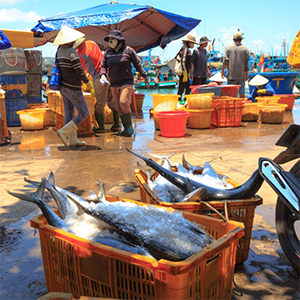
Treating fish as a public health asset can strengthen food security in lower-income countries
The food and nutrient security of billions of people worldwide depend on fish being treated as a domestic public health asset instead of a commodity.
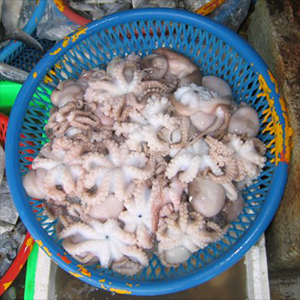
Popular seafood species in sharp decline around the world
Of the fish populations analyzed, 82% were found to be below levels that can produce maximum sustainable yields. Of these, 87 populations were found to be in the “very bad” category, with biomass levels at less than 20% of what is needed to maximize sustainable fishery catches.
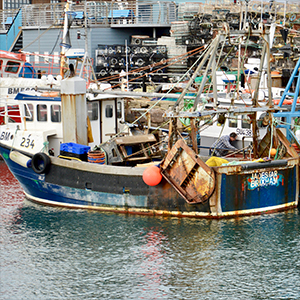
COVID-19 and BREXIT can help with the recovery of UK fish stocks
The researchers propose fishing targets be set to levels in which fishers leave more fish in the water than the minimum required to generate maximum sustainable yields
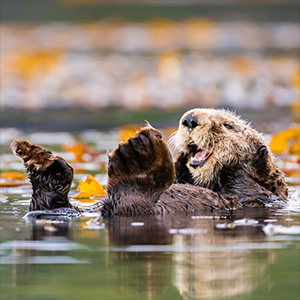
Recovery of sea otter populations yields more benefits than costs
Long-term benefits of sea otter recovery could be worth as much as $53 million per year
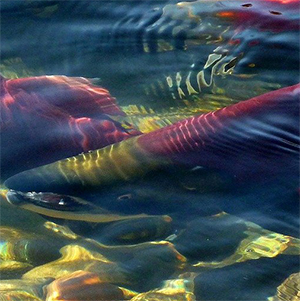
You are what you eat is as important for BC’s fish as it is for people – UBC study
By determining the availability of high-quality prey for these commercially important groups of fish we can improve estimates of herring and salmon productivity
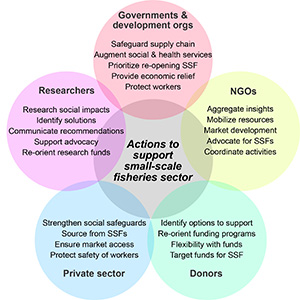
How small-scale fishers are struggling amid COVID-19 crisis
Researchers explored the impacts of the COVID-19 crisis on small-scale fisheries in Canada and worldwide, and provided recommendations on how to support them.