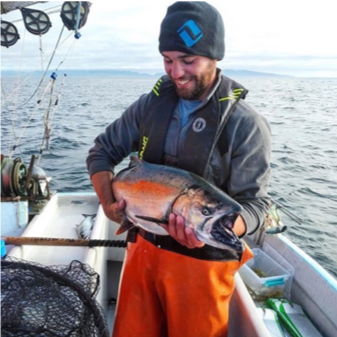
Getting a step closer to understanding how Chinook salmon live
Stable isotope analysis can peel back the curtain to give scientists a view of where fish spend their time, what they’ve been eating, and how they are interacting with other species.
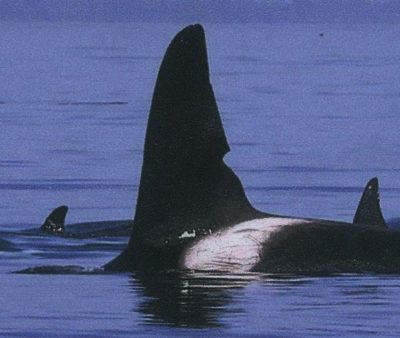
The Killers of California and Oregon
Thirteen years of photo-identification data of killer whales observed in California and Oregon provide new insights into the distribution and population structure of mammal-eating killer whales in the eastern North Pacific Ocean.
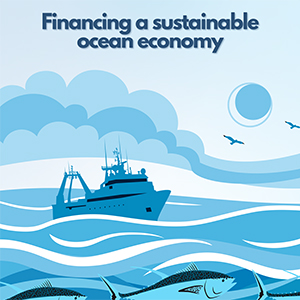
Study identifies major barriers to financing a sustainable ocean economy
A Paris Agreement type effort may be required to financing a sustainable global ocean economy that benefits society and businesses in both developing and developed countries.
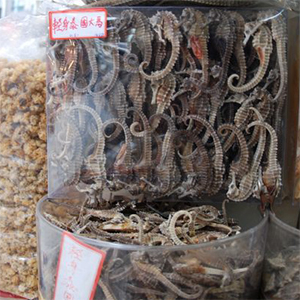
CITES can – and should – improve its remedial process for countries that tolerate unsustainable trade
“We did this study because we want to see CITES be all it can be.”
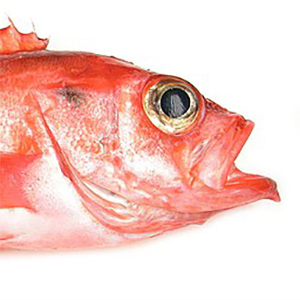
St. Lawrence fishery study tests the benefits of collaboration between scientists, government, management and industry members
Researchers had the opportunity to test the usefulness of a fashionable fisheries management tool called management strategy evaluation (MSE).

In Memoriam – Josef (Joe) Bauer
A much revered fisherman, teacher, student, researcher, environmentalist, and Adjunct Professor with the Institute for the Oceans and Fisheries and its previous incarnations.
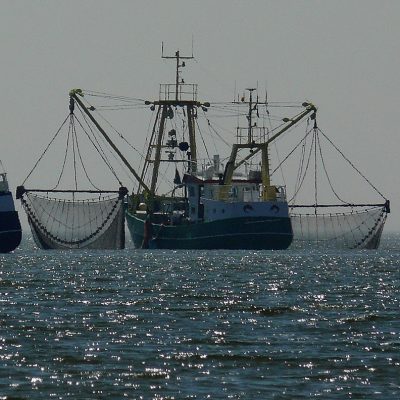
China and the E.U. aren’t the only ones to blame for harmful fisheries subsidies
“Don’t think that just because you’re not providing six billion dollars that you’re not impacting, or potentially impacting the sustainability of the fish stock.”
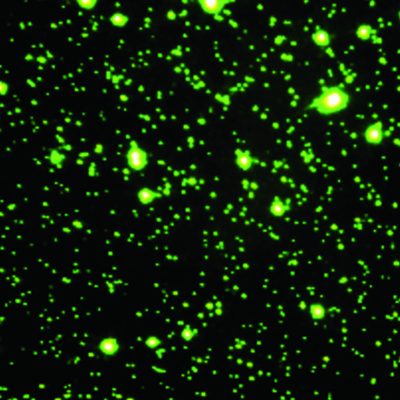
PROFILE: A universe of undiscovered viruses: Inside the Marine Virology and Microbiology Lab
People need to know that viruses, despite their frightening reputation, have a role to play in Earth’s many ecosystems.
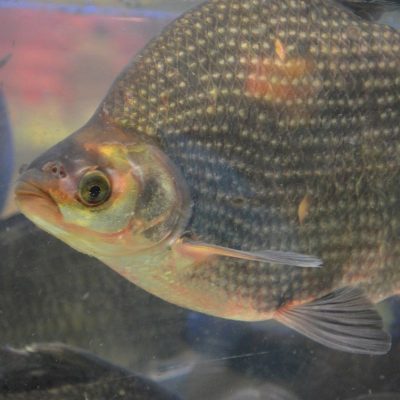
Tilapias are not precocious, they are just resilient
Tilapias living in crowded aquaculture ponds or small freshwater reservoirs adapt so well to these stressful environments that they stop growing and reproduce at a smaller size than their stress-free counterparts.
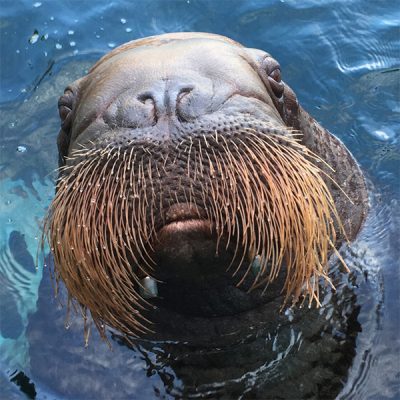
How to power a walrus
New study shows loss of sea ice will require walruses to swim more and eat more to survive climate change