
Kx Spotlight – Collaboration, the key to fighting climate change
With partnerships spanning across disciplines, sectors and borders, and with academics and non-academics (including Indigenous communities, NGOs, policy makers, businesses and media) collaboration is at the centre of their work.
Seafood farming’s growth rate has already peaked, and now it’s in decline
The growth rate of seafood farming worldwide peaked in 1996 according to new UBC research, highlighting the importance of rebuilding wild fish stocks to feed future demand.
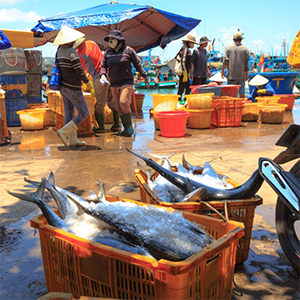
New Working Paper: A rich analysis of the economic, social and environmental effects of harmful fisheries at the ecosystem level
The effects of harmful fisheries subsidies in three marine ecosystems, chosen for their importance in terms of food security, size and diversity; and three different management scenarios are examined.
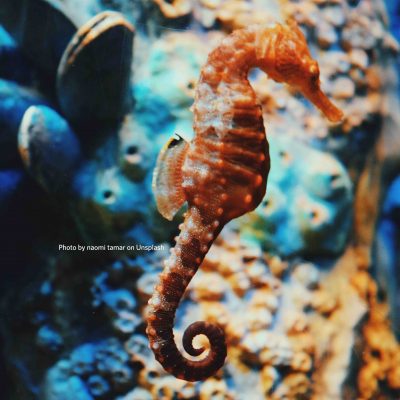
New Fisheries Centre Research Report (FCRR)
Implementing CITES Appendix II listings for marine fishes: a novel framework and a constructive analysis
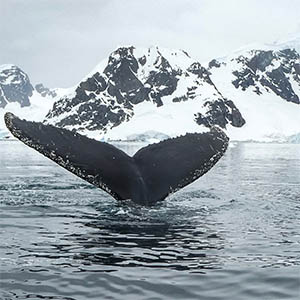
Researchers call for action to stop exploitation of Antarctic waters
The critically important Southern Ocean is not being properly protected by its stewards, a distinguished group of scientists from around the globe have noted.
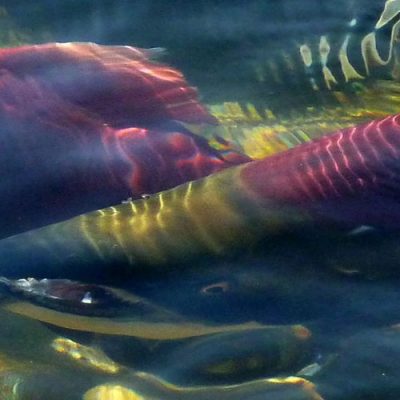
Food quality might be key for juvenile sockeye salmon growth and survival
The quality of food sockeye salmon eat along their migration routes is more important to their growth and condition than quantity, a new study has found, highlighting concerns about the effects of climate change on ocean conditions and salmon.
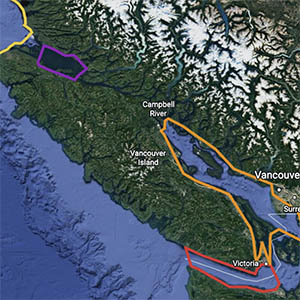
Expect shorter food chains in more productive coastal ecosystems
“We provided evidence for bottom-up omnivory in nutrient-rich temperate pelagic ecosystems, where food chain length is determined by the level of diatom production,” said Jacob Lerner. “This is very different from the global model for pelagic ecosystems.”
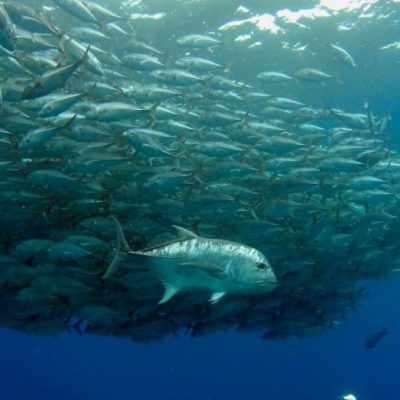
Global fish stocks can’t rebuild if nothing done to halt climate change and overfishing, new study suggests
“We are at a turning point. What we need is a coordinated global effort to develop practical and equitable marine conservation measures to support effective biomass rebuilding under climate change,” said Dr. William Cheung
BC is facing a steep decline in sockeye salmon
The sockeye population has been in decline for a century – since 1913, returns in the Skeena River have dropped by 75% – and while there are many factors at play, says Dr. William Cheung, “climate change is definitely one of them.”

B.C. ocean’s worth of almost $5 billion to GDP likely an underestimate
The ocean is very valuable to B.C., in terms of GDP, jobs, and income.