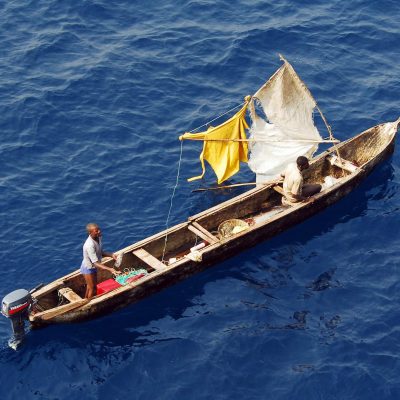
UBC-led team to find out how to feed the world while protecting nature with new grant
An international team led by UBC researchers will study five case studies across five continents to model a range of solutions to an urgent question: how can we feed everyone on Earth, and those to come, sustainably?
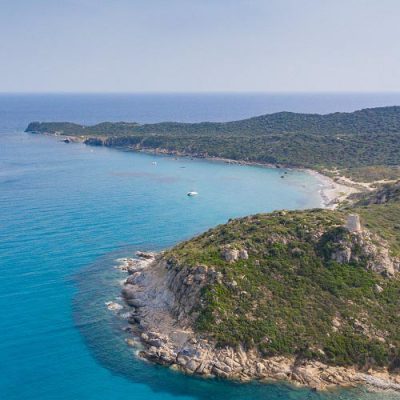
Protecting 30 per cent of the ocean by 2030 would barely impact fisheries
Sea Around Us presents a multi-objective solution that could lead to the protection of 89% of the ocean’s Representative Biodiversity Areas and 89% of threatened species or about 860 species, all while maintaining access to fishing grounds that provide 89% of the global catch.

Marine heatwaves could wipe out an extra six per cent of a country’s fish catches, costing millions their jobs
Extremely hot years will wipe out hundreds of thousands of tonnes of fish available for catch in a country’s waters in this century
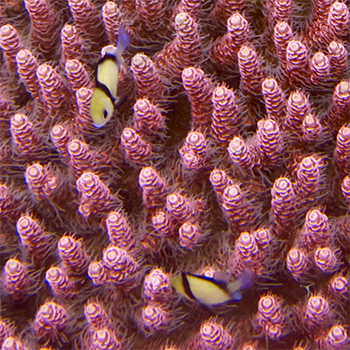
Coral reefs are 50% less able to provide food, jobs, and climate protection than in 1950s, putting millions at risk
Global coverage of living corals had declined by about half since the 1950s and consequently, the diversity of species had also declined, by more than 60%.
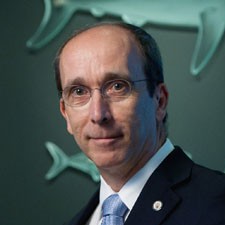
Villy Christensen named Fellow of the American Fisheries Society (AFS)
Fellows are members who have made outstanding or meritorious contributions to the diversity of fields that are included in the American Fisheries Society.
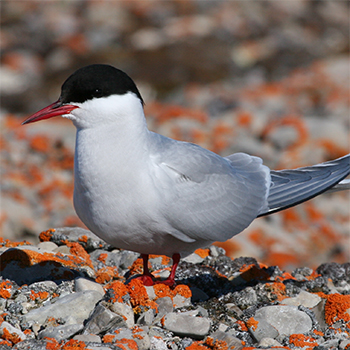
Surprising insights into the migration pattern of world’s farthest-migrating species
The Arctic tern—which has the world record for the longest annual migration—uses just a few select routes, a key finding that could help efforts to conserve the species
World Ocean Day – Dr. Gabriel Reygondeau
Asking countries to carry an equal share of the load may be tidy from a legislative perspective, but it doesn’t do much for biodiversity
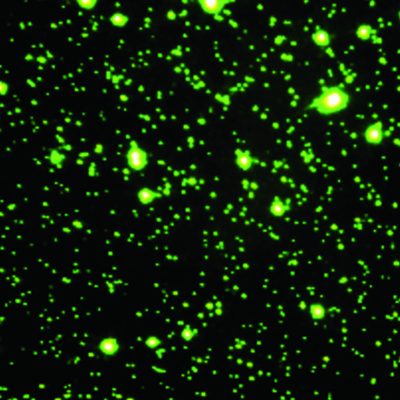
PROFILE: A universe of undiscovered viruses: Inside the Marine Virology and Microbiology Lab
People need to know that viruses, despite their frightening reputation, have a role to play in Earth’s many ecosystems.
Villy Christensen receives AFS Award of Excellence
Dr. Christensen is the principal architect behind Ecopath, and the project leader and core developer of the expanded ecosystem modelling system Ecopath with Ecosim (EwE).
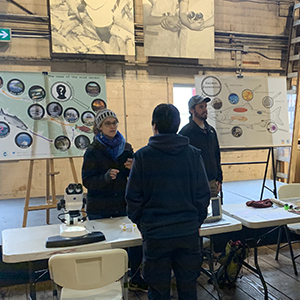
Salmon Science Expo
Pelagic Ecosystems Lab researchers engage with community at Gulf of Georgia Cannery