Katherine Came

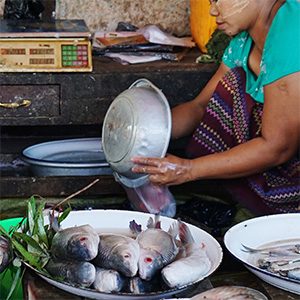
Achieving Paris climate target could net additional billions in fisheries revenue
Achieving Agreement’s target could increase global fishers’ revenues by $4.6 billion annually.
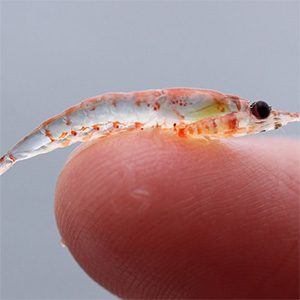
As the Antarctic warms, krill move south to the colder ice shelves
“Krill is perhaps the largest fishing resource in the world’s oceans.”
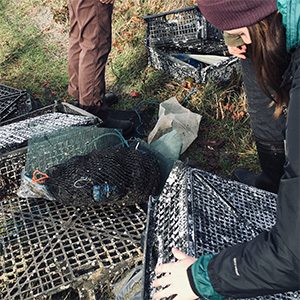
How much microplastic is there in the BC marine food web?
Researchers are concerned with the amount of microplastics consumed by zooplankton and herring, which are foundational species in BC’s regional marine food webs.
Rashid Sumaila wins UBC’s President’s Award for Public Education through Media
This award celebrates active sharing of research through the news media
L’Oréal-UNESCO International Awards For Women in Science – Laureates
For eminent women in science (Life Sciences or Physical Sciences in alternating years). Deadline: Usually early-June
John C. Polanyi Award – NSERC
A university researcher or team of researchers whose work has led to a recent outstanding Canadian advance in a field of the natural sciences or engineering. Deadline: Usually late November
Herzberg Medal – NSERC
For both the sustained excellence and overall influence of a body of work conducted in Canada in the natural sciences or engineering. Deadline: Usually late November
Ramon Margalef Prize in Ecology
For can exceptional scientific career or discovery in the field of ecology or other environmental science. Deadline: Usually mid-May
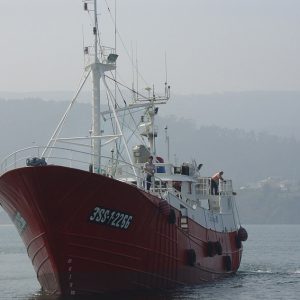
Carbon dioxide emissions from global fisheries larger than previously thought
Emissions from the fuel burnt by fishing boats are 30% higher than previously reported
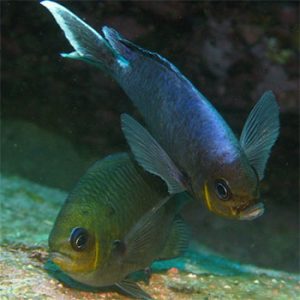
Most female fish grow bigger than the males
In over 80% of fish species, the females, including those known as ‘big old fecund females,’ or BOFFS, grow bigger than the males.