When knowledge systems meet on the ice and in models
Indigenous Knowledge can offer deep, place-based understanding of how animals use their environment, yet it is still rarely included directly in the same habitat models as satellite telemetry and other Western scientific data.

Seals risk death by polar bear for a varied meal, UBC study finds
Arctic tracking shows ringed seals trade safety for food variety—evidence that conservation plans must factor in both food and fear.

Dr. Marie Auger-Méthé selected as a Science meets Parliament delegate
As part of the Science meets Parliament program, she will spend time in Victoria, working with provincial leadership on on environment and ecology issues.

Marie Auger-Méthé & Andrea Reid join the ranks of the RSC’s College of New Scholars, Artists and Scientists
Each year, the RSC invites scholars, artists and creators in the early stage in their career, who have been recognized through their exceptional contributions to the world of science and culture, and to the well-being of Canada to join the College.

IOF faculty members receive funding from Government of Canada
Dr. Marie Auger-Méthé’s Canada Research Chair in Statistical Ecology (Tier II) was renewed, and she, along with Dr. William Cheung and Dr. David Rosen received NSERC Discovery Grant funding.
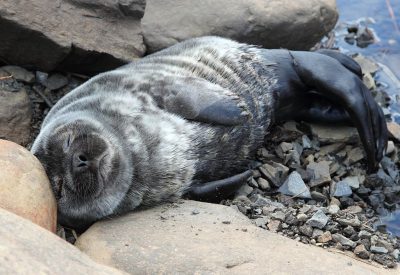
UBC study analyzes the movements and dives of Hudson Bay ringed seals
Being a part of the Arctic food web means constantly moving around trying to avoid being eaten while looking for a snack yourself.
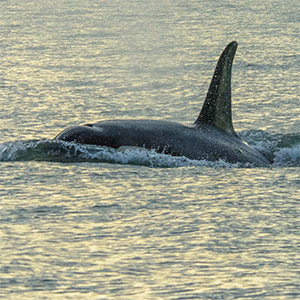
Decoding the secret lives of killer whales one micro-second at a time
Using methods to detect when the animals are catching prey and to model their energy expenditure will be key to understanding the differences between these neighbouring whale populations.
Enhanced statistical models will aid conservation of killer whales and other species
The whale used to develop the model preferred to save energy by gliding through the water when making deep dives, and when it was closer to the surface, it moved more actively, accelerating faster and ‘fluking’ its tail more often.
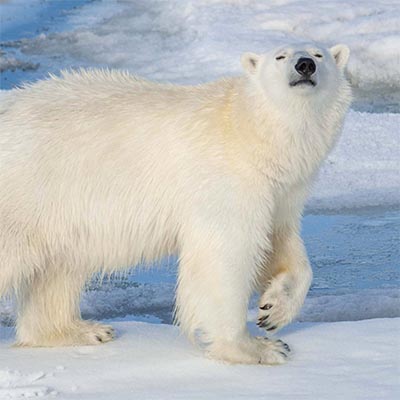
Ecologists and mental health researchers unite to improve patient care, save wild animals using Fitbit-like devices
Narwhals, sharks, and polar bears can help medical professionals improve care for patients with mental health struggles – and patients with conditions such as depression and bipolar disorder can offer insights that will help the conservation of many wild animals.