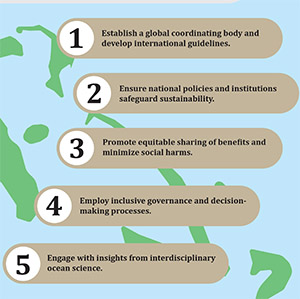
Achieving a safe and just future for the ocean economy
With economic potential of the oceans expected to double to US$3 trillion by 2030, growth should be effectively managed so that it is sustainable and equitable.
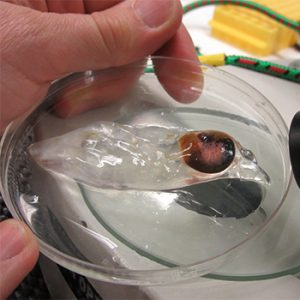
Small in size, but mighty in impact
Salps are fascinating organisms that have a huge impact on the planet’s ability to manage climate change.
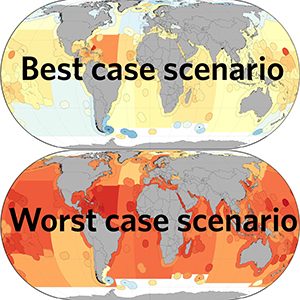
Effective fisheries management can reduce extinction risk of marine fish stocks from climate change
“We can save hundreds of fish stocks from becoming endangered species with sustainable fisheries and low greenhouse gas emissions.”

How choosing fish and seafood for dinner impacts carbon emissions
Choosing fish over pork, beef or lamb can be a more sustainable choice as fewer greenhouse gas emissions are produced.
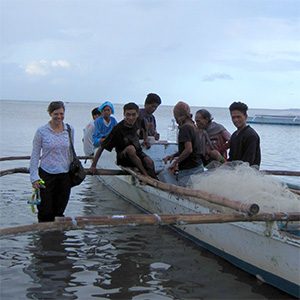
Small-scale fisheries have big impact on oceans
“We found that the influence from small-scale fisheries is far from small,” said Jennifer Selgrath, lead author.
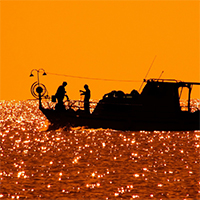
Subsidies promote overfishing and hurt small-scale fishers worldwide
Large-scale fisheries receive about four times more subsidies than their small-scale counterparts, with up to 60 per cent of those subsidies promoting overfishing.
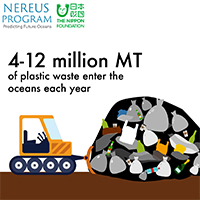
A healthy ocean will benefit global sustainable development
Restored ocean will alleviate poverty, provide jobs, and improve global health, finds new Nippon Foundation-UBC Nereus Program report
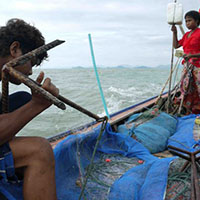
Marine conservation must consider human rights: An appeal for a code of conduct
The impacts of marine protected areas can undermine people’s rights or stop them from their livelihoods

“An Ocean Mystery: The Missing Catch” screening
The award-winning ocean conservation film will screen at UBC on April 28, 2017. RSVP REQUIRED.
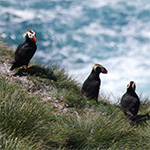
Better protection needed for Scott Islands marine National Wildlife Area, scientists urge
Signatories to the letter, sent to Hon. Catherine McKenna, Minister of Environment and Climate Change Canada, include IOF’s Amanda Vincent, Daniel Pauly, Kai Chan, and Rashid Sumaila.