
Lubna Alam
Dr. Lubna Alam is a dedicated interdisciplinary ocean and fisheries scientist, deeply committed to the health of our oceans and the sustainability of global fisheries. Her academic journey and research contributions reflect her passion for protecting marine resources while addressing critical challenges such as deep-sea mining, pollution, seafood safety, climate change, and vulnerability.
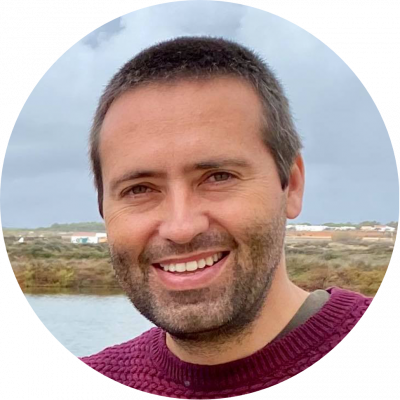
Miguel Correia
Dr. Correia has studied several aspects of European seahorse biology, ecology and conservation. He has worked closely with stakeholders to implement mitigation tools for seahorse conservation and was actively involved in the creation of new marine protected areas (MPAs). He also acts as Focal Point for Europe in the IUCN Seahorse, Pipefish and Seadragon Specialist Group. Read More

Sarah Foster
Dr. Foster is a conservation scientist dedicated to finding pragmatic solutions for the many problems facing the oceans and the animals that call them home – solutions that work for both fish and the people that depend on them. She is the Program Lead for Project Seahorse. Read More
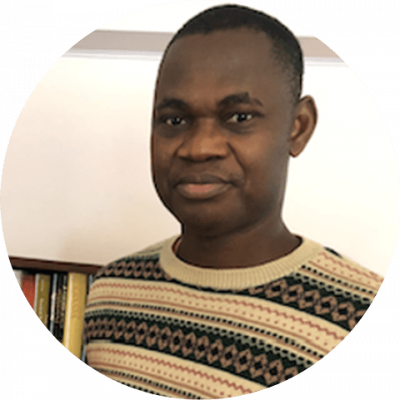
Ibrahim Issifu
Ibrahim Issifu
Research Associate; Fisheries Economics Research Unit
Email: i.issifu@oceans.ubc.ca
Office phone: 604-649-6335
Dr. Ibrahim Issifu is an accomplished interdisciplinary fisheries economist, specializing in the complex nexus of marine resource management, food systems, sustainable blue economy, and marine plastic pollution. With a deep understanding of the economic drivers and ecological implications of fisheries, Ibrahim employs a holistic approach to inform policy decisions and promote the long-term viability of frontline coastal communities and marine ecosystems. Read More
Research Area
Economic valuation of marine resources, Fisheries governance and policy, Climate change impacts on fisheries, Seafood trade flow, Bioeconomic modeling

Vicky Lam
Dr. Vicky Wing Yee Lam is a fisheries economist and Research Associate at the Sea Around Us, University of British Columbia. Her research focuses on the economic impacts of climate change on global fisheries, with expertise in fisheries data reconstruction, spatial analysis, and sustainable marine conservation. Read More

Anna McLaskey
Dr. McLaskey is a zooplankton ecologist and biological oceanographer who researches the lower trophic levels of marine food webs — from phytoplankton, through zooplankton, to fish. Much of their work focuses on how nutritional quality intersects with food web structure, and how that can impact higher trophic levels.
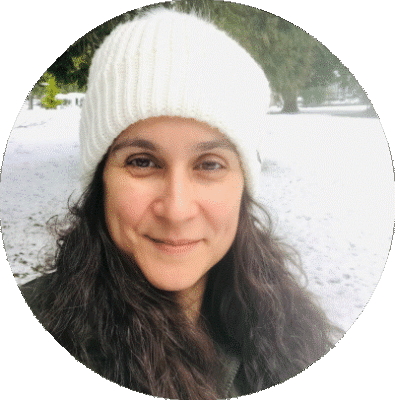
Carol Meirelles
Dr. Meirelles is a conservation biologist focusing on manatee and dolphin spatial ecology, behaviour, extinction risk assessment, and conservation planning. She was actively involved in the elaboration and monitoring of conservation plans in Brazil and is a member of the IUCN Sirenia Specialist Group. Read More
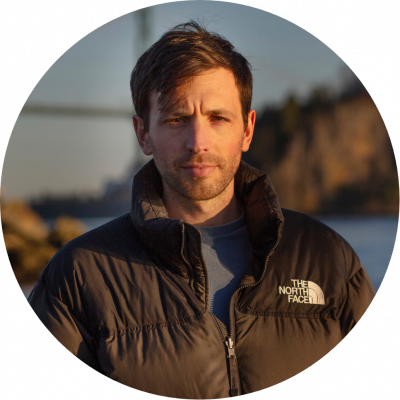
Gideon Mordecai
Dr. Mordecai’s research explores the diversity of viruses which infect Pacific salmon, and applies genetic sequencing to study their transmission dynamics. He is part of a collaboration with Dr Kristi Miller (Fisheries & Oceans Canada) and the Pacific Salmon Foundation’s Salmon Health Program, which researches the combined impacts of disease and environmental stress. Read More
Research Area
Pacific salmon, viruses, viral ecology, conservation biology, genomics, molecular epidemiology

Maria Lourdes Palomares
Maria Lourdes ‘Deng’ Palomares
Senior Scientist and Project Manager
Email: m.palomares@oceans.ubc.ca
Office phone: 604-822-0218
Dr. Palomares has been the Sea Around Us‘ Project Manager since June 2017. Her research focus has been on the application of well-known theories in fish and fisheries biology as tools to test hypotheses and/or generate knowledge from ‘big data’ repositories. Read More
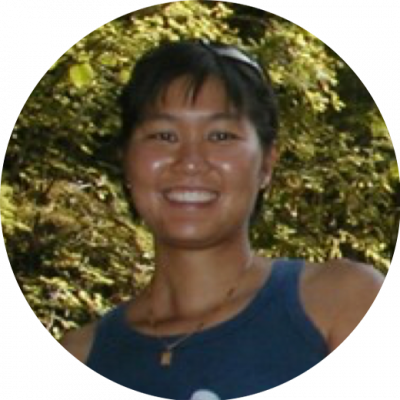
Louise Teh
Dr. Louise Teh’s research focuses on how interactions between humans and marine ecosystems impact fisheries sustainability. She has a particular interest is in small-scale fisheries of developing countries, and has been involved in marine conservation projects on valuing marine turtle conservation, marine protected area management, and climate change adaptation. Read More