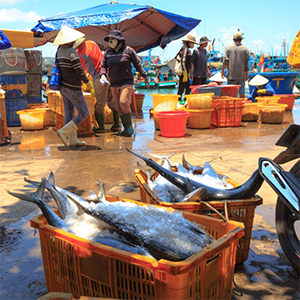
New Working Paper: A rich analysis of the economic, social and environmental effects of harmful fisheries at the ecosystem level
The effects of harmful fisheries subsidies in three marine ecosystems, chosen for their importance in terms of food security, size and diversity; and three different management scenarios are examined.
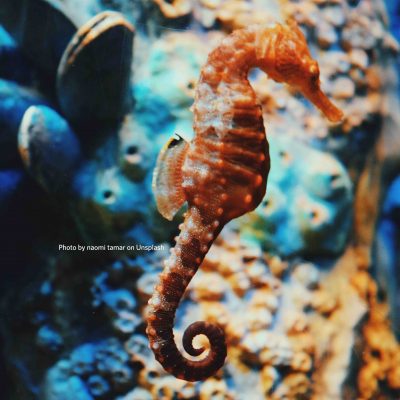
New Fisheries Centre Research Report (FCRR)
Implementing CITES Appendix II listings for marine fishes: a novel framework and a constructive analysis
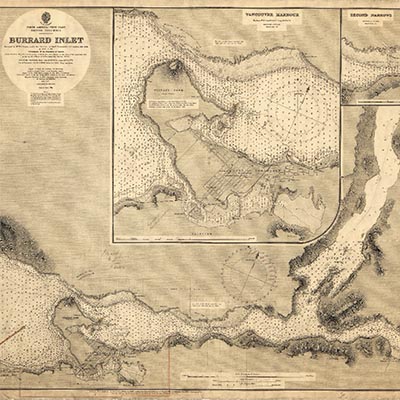
New FCRRs: Historical Ecology in Burrard Inlet and Reconstructing the pre-contact shoreline of Burrard Inlet
These two new Fisheries Centre Research Reports will help us understand the overpowering changes that colonial settlement and development has had on the marine ecosystems surrounding the Lower Mainland area of British Columbia.
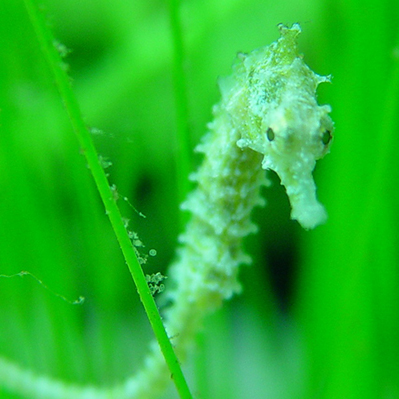
Changes in the international trade in live seahorses (Hippocampus spp.) after their listing on CITES Appendix II
This new Fisheries Centre Research Report (FCRR) investigates the international live trade in seahorses.
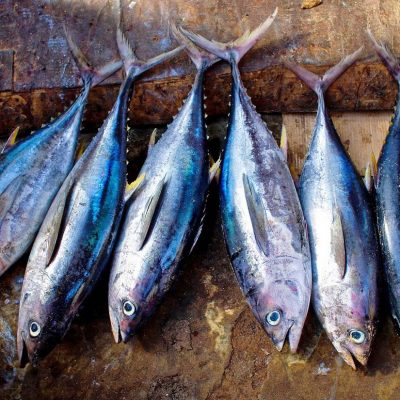
Estimating the biomass of commercially exploited fisheries stocks left in the ocean
This new Fisheries Centre Research Report (FCRR) presents the key results of a multi-year activity of the Sea Around Us devoted to assessing the status of marine fisheries globally.
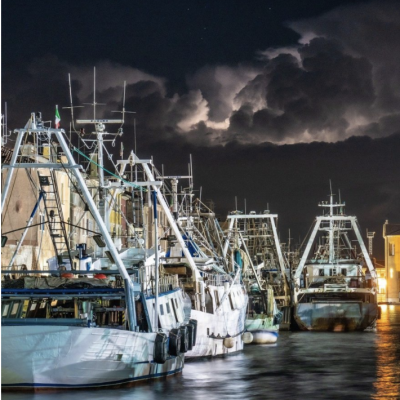
Nearly 300 scientists ask the WTO to ban harmful fisheries subsidies
The researchers feel the WTO could use their upcoming meeting to sign an agreement that forbids such harmful practices, while allowing for small-scale, sustainably managed wild fisheries.

Dr. Daniel Pauly’s extraordinary life and work revealed in new book
Dr. Daniel Pauly is the world’s most-cited fisheries scientist, but life for the UBC professor has been far from easy. Now, readers can learn more in his biography, The Ocean’s Whistleblower.
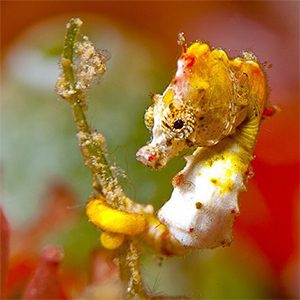
FCRR: Identifying national conservation status, legislation and priorities for syngnathid fishes globally
This research, conducted by Project Seahorse, provides in-depth assessments on the gaps in global extinction risk assessments with particular focus on Syngnathid fishes (seahorses, pipefishes, pipehorses, and seadragons).
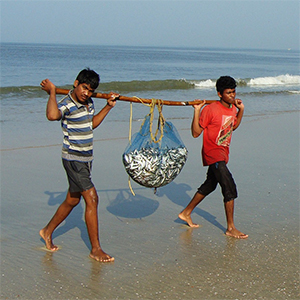
Updating Sea Around Us‘ 1950-2010 marine catch reconstructions to 2018
The two volumes cover all maritime countries and island territories of the world.
FCRR: Marine and Freshwater Miscellanea III
Third collection of articles, authored or co-authored by Daniel Pauly.